



Buffing Pads and Applicators





 Representative Photo, actual item may vary
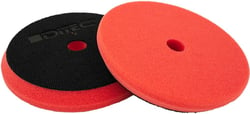

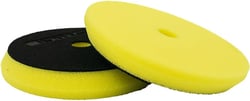
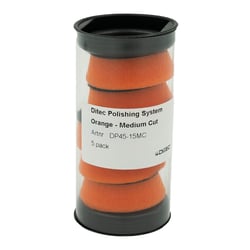
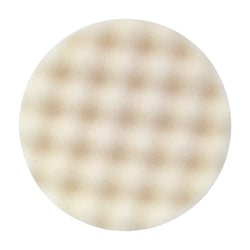

 Representative Photo, actual item may vary

 Representative Photo, actual item may vary
 Representative Photo, actual item may vary
 Representative Photo, actual item may vary
 Representative Photo, actual item may vary
 Representative Photo, actual item may vary
 Representative Photo, actual item may vary
 Representative Photo, actual item may vary

 Representative Photo, actual item may vary
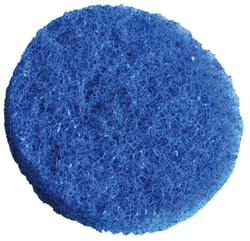
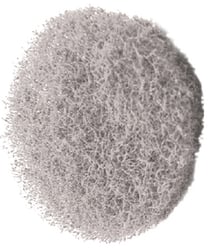
- 1
- 2
What Are Buffing Pads and Applicators?
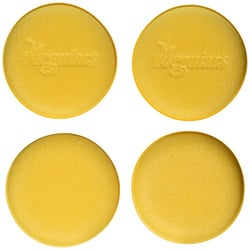
Buffing pads and applicators are among the most essential tools in any vehicle maintenance kit. Buffing pads are specialized tools used in car detailing to polish and refine paint surfaces — they attach to polishers or rotary machines and work in conjunction with compounds, waxes, or sealants to achieve a smooth, glossy finish. Applicators, meanwhile, handle the more precise, hand-applied tasks: spreading wax, tire dressing, polish, and protectants evenly across a surface without streaks or drips.
Whether you're a weekend DIYer trying to bring back a faded clear coat or a professional detailer working through a full paint correction, the pad you choose will determine the outcome just as much as the product you apply. Using the wrong pad can lead to swirl marks, uneven correction, or even paint damage — making it worth taking the time to understand what's available.
Types of Buffing Pads: Choosing the Right Material
There are three primary materials used in buffing pads, each suited to a different level of paint correction:
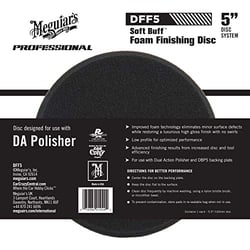
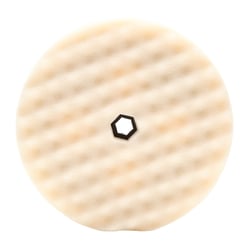
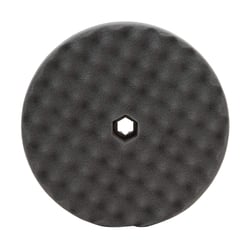
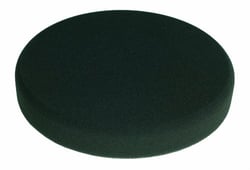
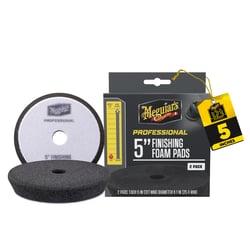
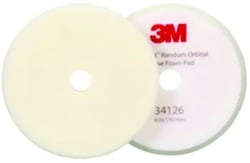
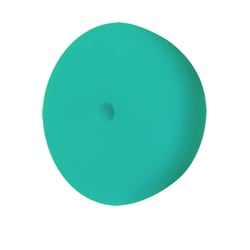
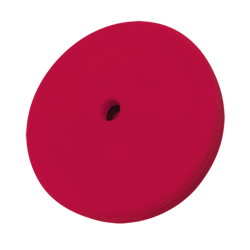
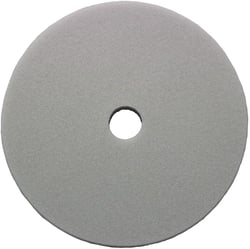
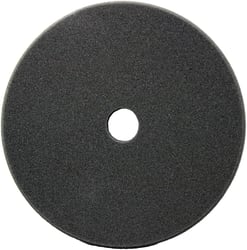
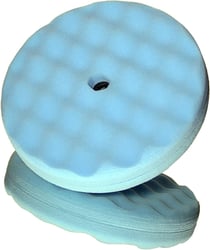
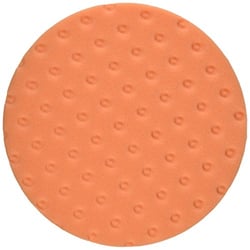
- Foam Pads — The most popular choice for detailers, foam pads are available in a wide range of densities and aggressiveness levels, from heavy cutting to final finishing. Harder, denser foam creates more abrasion and surface contact for defect removal, while softer foam is ideal for paint refinement and the application of waxes and sealants.
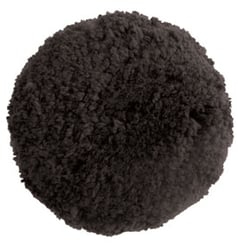
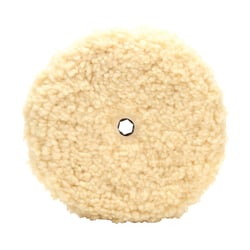
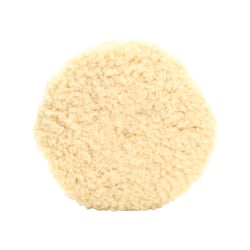
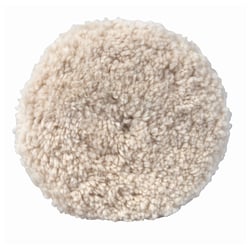
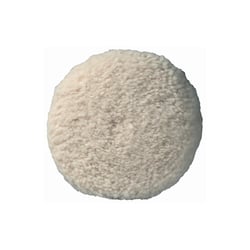
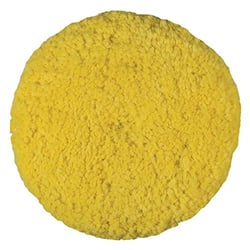
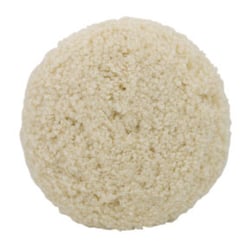
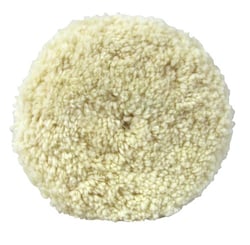
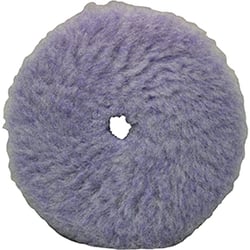
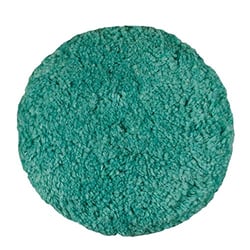
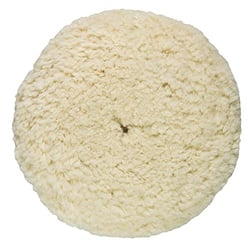
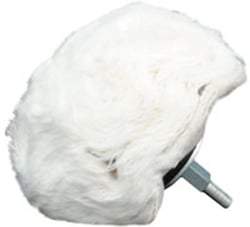
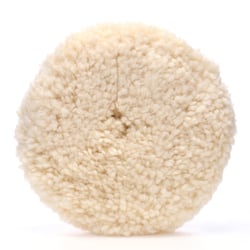
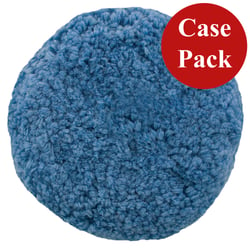
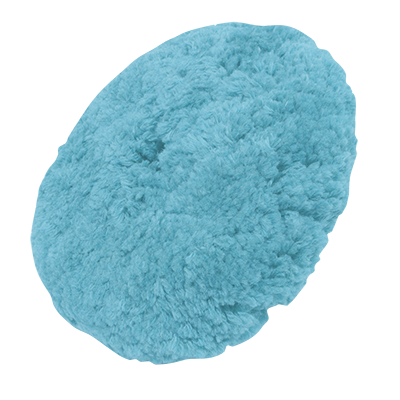
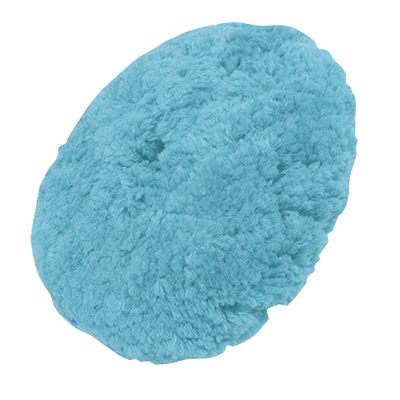
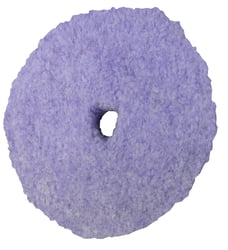
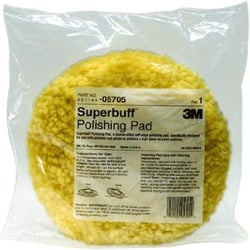
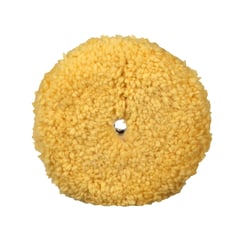
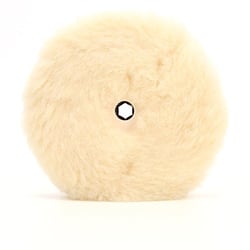
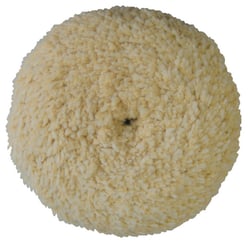
- Wool Pads — Wool pads are the most aggressive option, capable of cutting through heavy oxidation, deep scratches, and severe paint defects. They are typically used on rotary polishers and work best in professional or bodyshop settings, as they can leave behind holograms and abrasions that require follow-up refinement.
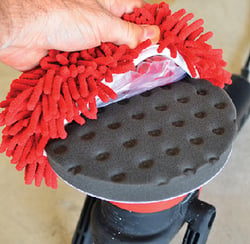
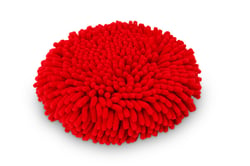
- Microfiber Pads — Microfiber pads strike a balance between cutting power and a refined finish. Made from densely packed synthetic fibers, they offer a high level of correction with minimal swirl marks, making them a popular choice for moderate paint defects on softer paints.
Understanding the Correction Spectrum
Pads are also categorized by their role in the correction process. A typical full detail might progress from a cutting pad (for removing deep scratches or oxidation) to a polishing pad (for refining the surface and removing lighter imperfections) to a finishing pad (for applying wax, sealant, or a final gloss coat). Using separate pads for each stage — rather than cross-contaminating — ensures consistent, predictable results at every step.
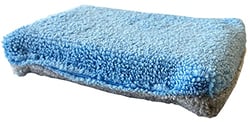
Hand applicators occupy a category of their own. Whether you're applying a tire dressing, a paste wax, or a ceramic coating prep, a quality foam or microfiber applicator distributes product evenly, prevents waste, and keeps the work area clean. Many are purpose-built for specific tasks, such as contoured foam applicators for tire sidewalls or soft-cell foam pads for delicate interior trim surfaces.
What to Look for When Shopping
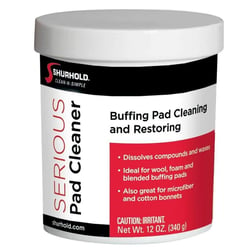
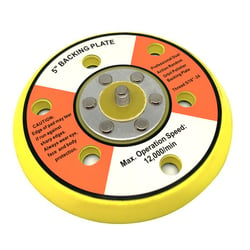
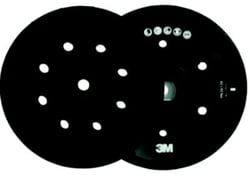
When selecting buffing pads and applicators, consider the severity of your paint defects, the type of polisher you're using (dual-action orbital vs. rotary), and the compatibility of the pad with your backing plate size. Common sizes include 1-inch, 3-inch, and 5-inch pads — smaller pads excel at tight curves and spot work, while larger pads cover flat panels efficiently. Properly cleaning and maintaining your pads after each use is also critical to prolonging their life and preserving consistent performance.
Top Brands in Buffing Pads and Applicators
For a trusted name with decades of industry experience, look no further than S.M. Arnold. A manufacturer dedicated to professional-grade detailing accessories since 1928, S.M. Arnold's buffing pad lineup spans foam buffing and polishing pads, wool compounding pads like their Tuffer Buffer™ series, and a wide range of foam applicators designed for everything from wax application to tire dressing — making them a reliable one-stop source for detailing consumables.