



Carbon Cannisters
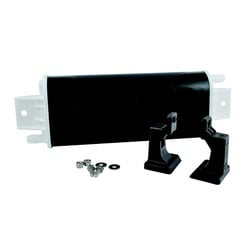

What Are Marine Carbon Canisters?
An activated carbon canister is used to capture hydrocarbon vapor emissions from the fuel tank as part of an evaporative emission control system (EVAP). While this technology has roots in the automotive world, it has become an essential component of modern marine fuel systems. Hydrocarbon molecules are attracted to and stored on the surfaces of carbon pores by a process known as adsorption, and canister filling occurs during two major events — thermal tank content expansion and refueling.
How Does a Marine Carbon Canister Work?
Carbon canisters filter hydrocarbons out of fumes vented during daytime thermal fuel expansion and refueling of tanks. The canisters are then purged when fresh air is drawn into the tank during nighttime thermal contraction or while the engine is running, returning the hydrocarbon molecules into the fuel. The process is largely passive, requiring no active mechanical components to operate effectively under normal conditions.
All venting on the tank goes through the canister, so the only time the system is actually open to atmosphere without filtering is during the tank filling event. This makes proper installation and canister integrity critical to keeping your boat's emissions in check.
Why Marine Carbon Canisters Matter
In an effort to reduce emissions, the EPA required fuel tanks to no longer allow evaporated fuel to escape into the air. For boaters, this has very real compliance implications. Diurnal emissions from marine SI fuel tanks may not exceed 0.40 g/gal/day when measured using specified EPA test procedures. Installing a certified carbon canister is one of the most straightforward ways to meet these regulatory standards.
Beyond compliance, the carbon canister tucked away in the boat's vent line and packed with marine-grade carbon scrubs the hydrocarbons from the fuel vapor, eliminating fuel odors and contributing to cleaner air. That means a more pleasant experience aboard and less environmental impact on the waterways you enjoy.
What to Look for When Shopping Marine Carbon Canisters
- EPA Certification: Properly installing an EPA Certified diurnal emission control component eliminates the need for a builder to submit test results or an application to the EPA for vessel certification.
- Liquid Protection: The canister is a hydrocarbon vapor control device, and allowing liquid — water or gasoline — to enter it will cover the carbon and prevent it from capturing gasoline vapors.
- Mounting Location: If the canister is mounted in the engine compartment, a heat shield is required to pass the Coast Guard fire test. For non-engine compartment locations, the heat shield is not required.
- Tank Size Compatibility: Canister sizing is dictated by both boat and tank size, so always verify the canister's rated fuel tank capacity before purchasing.
- Ethanol Compatibility: Look for canisters specifically rated for use with ethanol-blended fuels, which are increasingly common at marinas.
Top Brands in Marine Carbon Canisters
Attwood Marine is a leading name in marine carbon canister systems. For more than 100 years, Attwood has been proud to serve the parts and accessory needs of the marine industry. All Attwood carbon canister systems are designed to ensure liquid fuel or water does not reach the canister and are compatible with Jerry Can and marine nozzle refueling. Their EPA-certified canisters are a trusted, compliant solution for both boat builders and owners replacing aging components.