



Distributor Caps/Tune Up Kits
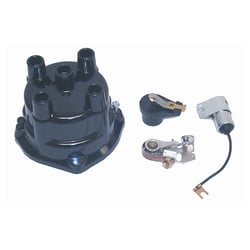

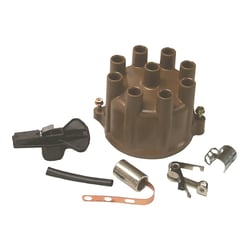
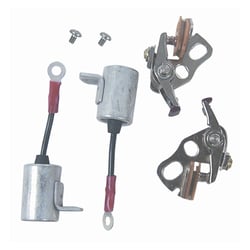
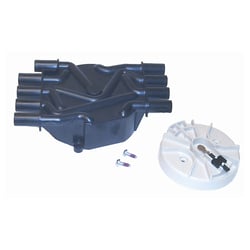
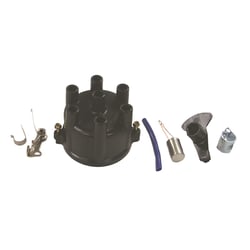
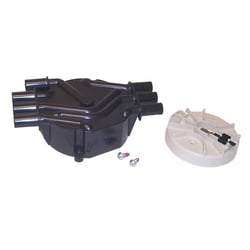
Sierra 18-5246 Distributor Cap and Rotor Tune-Up Kit for MerCruiser 4.3L V6 MPI
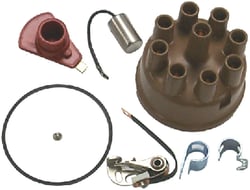
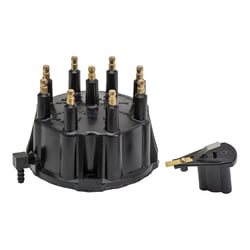
Quicksilver 805759T05 Distributor Cap Kit for MerCruiser Black Scorpion Tow Sports Engines

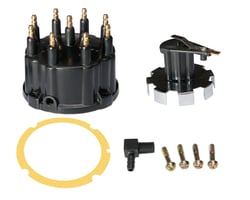
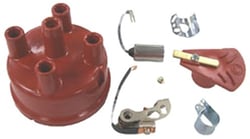
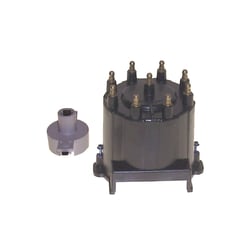
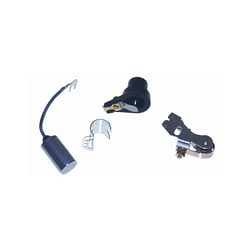


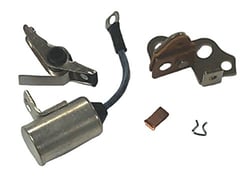
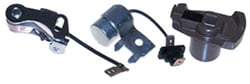
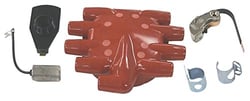
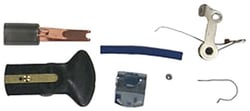
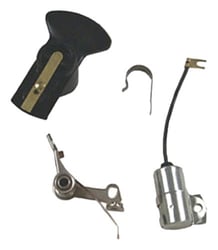
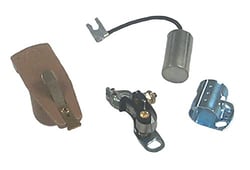
Sierra 18-5253 Marine Tune Up Kit for MerCruiser Stern Drive Autolite 8-Cylinder
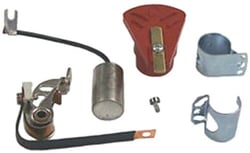
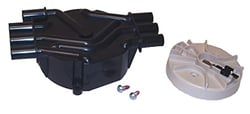
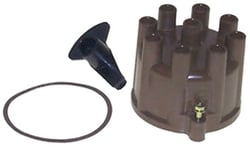
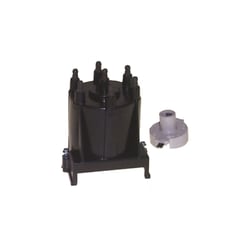
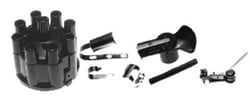

Sierra 18-5386 Marine Distributor Cap for GM Inline 6 Cylinder Delco Conventional Ignition
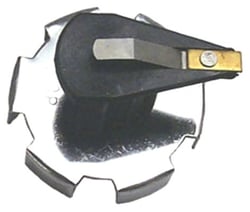
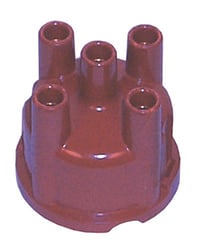
 Representative Photo, actual item may vary
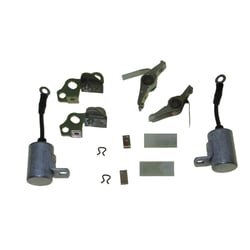
Engineered Marine Products 300-05006 OMC Tune-Up Kit for BRP 2-Cylinder 3-6 HP Outboards

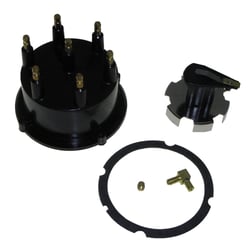
Engineered Marine Products 300-03084 Tune-Up Kit with Cap for MerCruiser V6 Thunderbolt HEI
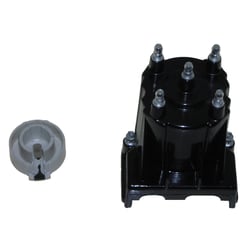
Engineered Marine Products 300-03072 Tune-Up Kit with Cap for MerCruiser 4-Cylinder Marine Engines
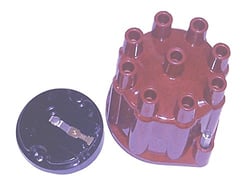
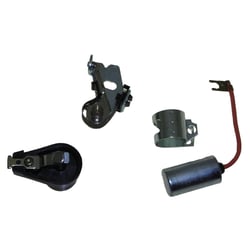
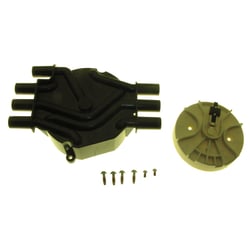
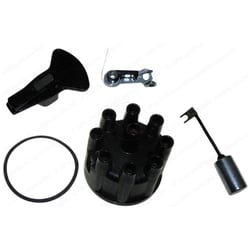
Engineered Marine Products 300-03080 Tune-Up Kit for Volvo Penta V8 Prestolite Ignition
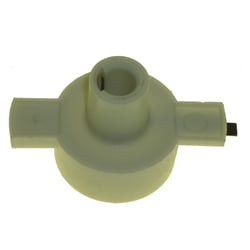
Engineered Marine Products 300-03064 Distributor Rotor for MerCruiser/OMC Marine Engines
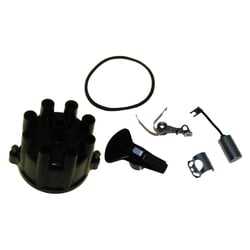
Engineered Marine Products 300-03079 Tune-Up Kit with Distributor Cap for Chrysler V8 Prestolite Ignition
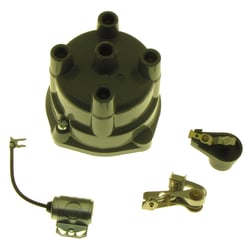
Engineered Marine Products 300-03070 Tune-Up Kit with Cap for OMC 4-Cylinder Delco Ignition
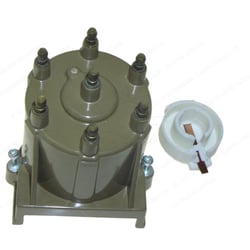
Engineered Marine Products 300-03073 Tune-Up Kit with Distributor Cap for MerCruiser V6
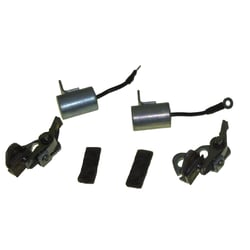

Engineered Marine Products 300-21002 Ignition Tune-Up Kit for OMC V8 Mallory Distributor
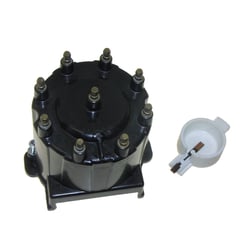
Engineered Marine Products 300-03074 Tune-Up Kit with Cap for V8 Marine Engines Delco EST Ignition

Engineered Marine Products 300-03085 Tune Up Kit with Cap for MerCruiser V8 Thunderbolt HEI Ignition
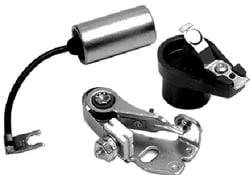
Quicksilver 34235Q 1 Ignition Tune Up Kit for GM 4 & 6 Cylinder Marine Engines
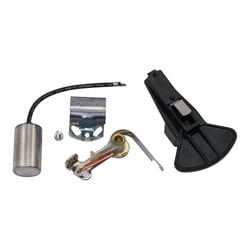

CDI Electronics E66-0003 Tune Up Kit for MerCruiser 4-Cylinder Inboard Engines
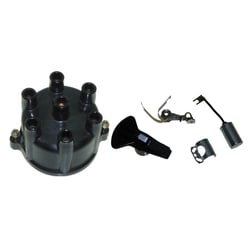
Engineered Marine Products 300-03078 Marine Tune-Up Kit with Ignition Service Components
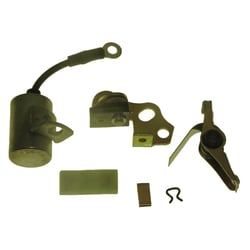
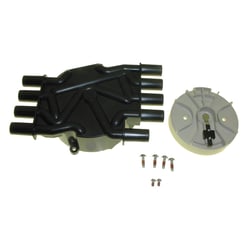
Engineered Marine Products 300-03091 Tune Up Kit with Cap and Rotor for MerCruiser V8
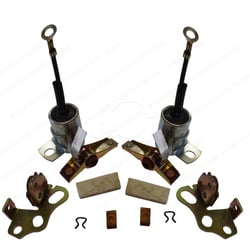
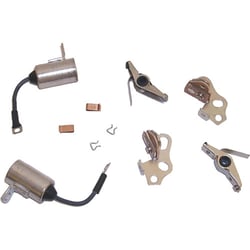
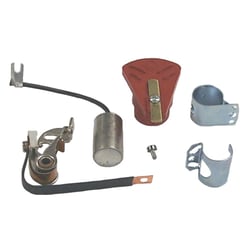
 Representative Photo, actual item may vary
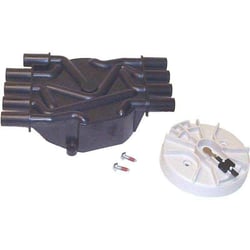
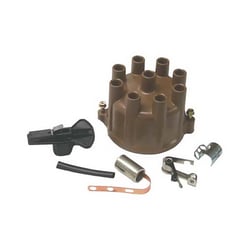
 Representative Photo, actual item may vary
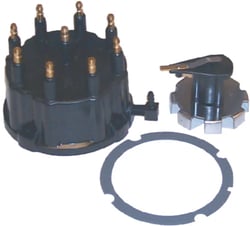
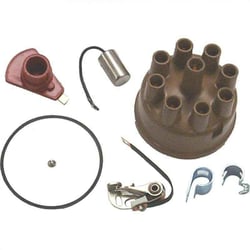
- 1
- 2
Why Distributor Caps and Tune Up Kits Matter for Marine Engines
The ignition system is the heartbeat of any marine or RV engine, and the distributor cap sits at the center of it all. This small but critical component routes high-voltage electricity from the ignition coil to each spark plug in the correct firing order. Over time, heat, moisture, salt air, and vibration — all of which are far more intense in marine environments than in a typical automobile — degrade the cap's internal contacts, leading to misfires, hard starts, rough idling, and reduced fuel efficiency. Replacing a worn distributor cap and rotor before problems escalate is one of the most cost-effective forms of preventative maintenance a boat owner can perform.
What's Included in a Marine Tune Up Kit?
A basic distributor cap kit typically includes the cap itself, a rotor, and a cap gasket. More comprehensive tune up kits may bundle in spark plugs, ignition wires, condensers, and contact sets — everything needed to restore the ignition system to like-new performance in a single service. Because marine engines face uniquely harsh operating conditions, it's important to choose components engineered specifically for the marine environment rather than relying on automotive equivalents. Marine-grade caps and rotors are designed to resist Radio Frequency Interference (RFI) with onboard electronics, withstand high humidity and saltwater exposure, and meet the tighter tolerances required by marinized engines.
Key Considerations When Shopping Distributor Caps and Tune Up Kits
- Engine compatibility: Distributor caps are engine-specific. Always verify fitment by cross-referencing your engine make, model, and ignition type (e.g., HEI, Thunderbolt, Delco EST, Prestolite).
- OEM vs. aftermarket: OEM-spec parts are produced to the exact tolerances of the original components, while quality aftermarket options can offer comparable performance at a different price point.
- Kit completeness: Decide whether you need a full tune up kit or just a cap-and-rotor set. Doing a comprehensive refresh at one time saves labor if you're pulling apart the engine anyway.
- Material quality: Look for caps made with engineering-grade plastics and solid brass or corrosion-resistant inserts to ensure long service life in a wet, salty environment.
Top Brands in Marine Distributor Caps and Tune Up Kits
Quicksilver is the dominant name in this category, and for good reason. Quicksilver is the premier supplier of Mercury Marine original equipment replacement parts, serving MerCruiser sterndrives and a broad range of other marinized engines. Their distributor caps are constructed from a high-strength blend of PBT and PET plastics with solid brass inserts that resist corrosion and electrical pitting — purpose-built to handle the demands of the water.
CDI Electronics brings decades of focused ignition expertise to the table. For more than three decades, CDI Electronics has been providing ignition and diagnostic solutions for the motorsport and marine sectors, offering distributor caps, tune up kits, condensers, and contact sets that cover a wide range of inboard and outboard applications. Their products are well regarded for delivering solid performance and value across a broad range of engine platforms.