



Door Latch Sets
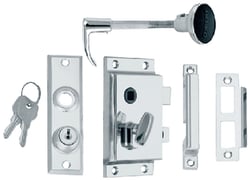

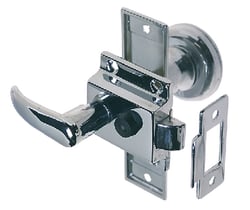
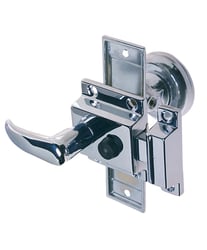
Perko 0930DP0CHR Rim Latch Stainless Reverse Bevel with Flush Strike Chrome
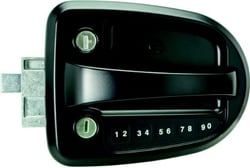
Fasteners Unlimited TTLBT-46160B-2006-1PK Ultra ES Pro Bluetooth RV Entrance Lock


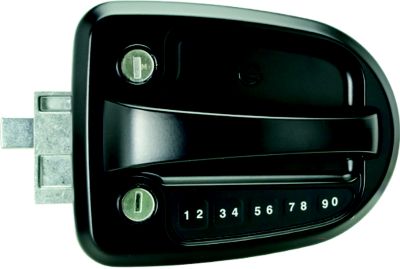 Representative Photo, actual item may vary
Fasteners Unlimited LSL-707PV-MB-1PK Lever Privacy Lockset Matte Black
What Is a Door Latch Set?
Every time you pull a door handle and step out of your vehicle, a small but critical assembly makes it possible: the door latch. Door latch sets are the mechanical heart of your vehicle's door system, responsible for holding the door securely closed while driving and releasing it smoothly when you want to open it. Though often overlooked, this component plays a direct role in both your daily convenience and your safety on the road.
How a Door Latch Works
At its core, a door latch is a claw-like metal assembly mounted inside the rear edge of the door. When the door is closed, the latch engages a striker — a fixed pin or bar on the door frame pillar — and locks into place. The latch typically features a fully latched position and a secondary safety catch, much like a hood latch, providing a redundant layer of protection in the event of impact.
When you pull an interior or exterior door handle, it actuates a rod or cable connected to the latch assembly, which releases the claw's grip on the striker and allows the door to swing open. On power-lock-equipped vehicles, an electric actuator performs this same task electronically, allowing remote or central locking to control all doors simultaneously.
Why Door Latches Wear Out
Door latch assemblies are used tens of thousands of times over the life of a vehicle, and like any mechanical component with moving parts, they are subject to wear. The internal torsion springs, pivots, and steel forks can fatigue over time, and the assembly's exposure to moisture, road salt, and temperature extremes makes it particularly vulnerable to corrosion. Once corrosion sets in, the latch mechanism can bind, stick, or fail to fully engage.
Common signs of a failing door latch include:
- The door won't fully close or stay latched
- The door feels loose or rattles while driving
- The door handle operates but the latch doesn't release
- The door won't open from the inside, outside, or both
- Visible rust or physical damage to the latch assembly
What Comes in a Door Latch Set?
A door latch set typically bundles the latch mechanism together with key hardware like the striker plate, mounting bolts, and sometimes the connecting rods or cables — everything needed for a complete, direct-fit replacement. Buying a set rather than individual components ensures all parts are matched for proper function and fitment, which can simplify the installation process significantly.
Choosing the Right Door Latch Set
When shopping for a replacement door latch set, there are several important factors to keep in mind:
- Vehicle Compatibility: Door latches are highly vehicle-specific. Always verify that the part matches your year, make, model, and door position (front left, rear right, etc.).
- Manual vs. Power Lock: If your vehicle has power door locks, make sure the replacement latch includes or is compatible with the electronic actuator.
- OE vs. Aftermarket: OE-equivalent sets match original specifications closely and typically offer a straightforward bolt-in installation. Quality aftermarket sets can offer comparable performance, often at a lower cost.
- Material Quality: Look for latch assemblies with steel internal components. While some housings use reinforced plastic, the critical claw and fork components should be metal for durability.
A Straightforward Repair Worth Doing Right
Replacing a door latch set is one of the more accessible DIY repairs for the home mechanic, typically requiring basic hand tools and the removal of the door's interior panel. Addressing a faulty latch promptly is important — a door that doesn't latch securely is not only inconvenient but can pose a genuine safety risk in a collision or sudden stop.