



Downriggers & Accessories
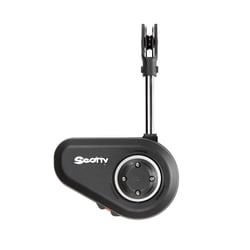


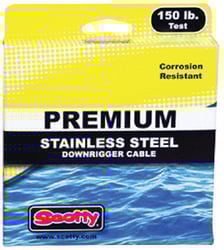
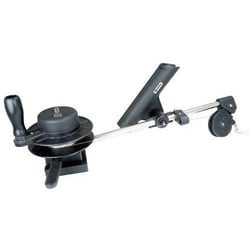
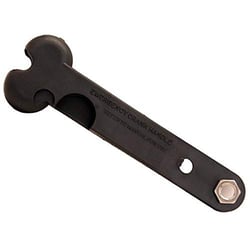
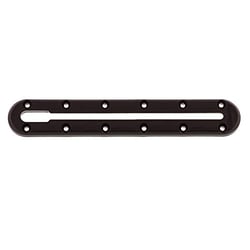
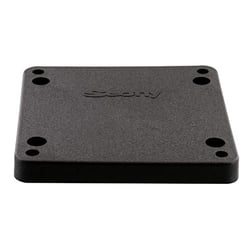
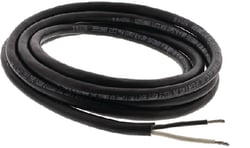
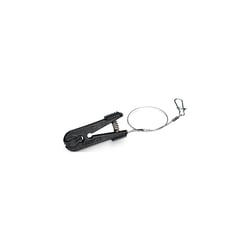
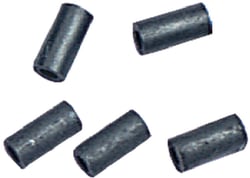
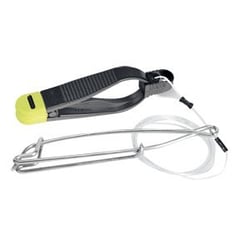
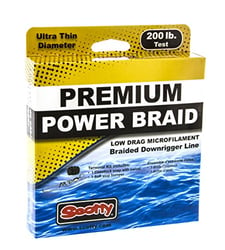

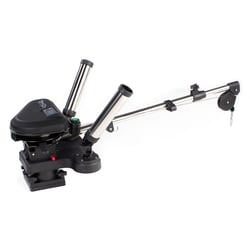
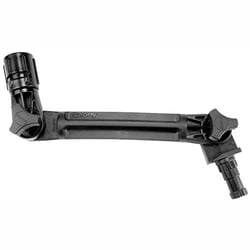
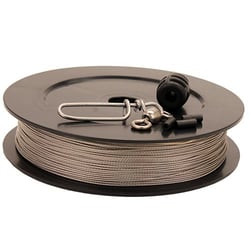
Scotty Downriggers 2401K 300ft High Performance Stainless Steel Replacement Cable
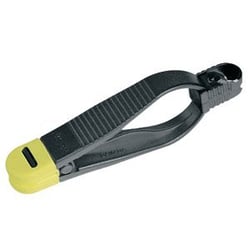
Scotty Downriggers 1174-BUCKET Power Grip Plus Release Bulk Pack - 40 Units Not Rigged
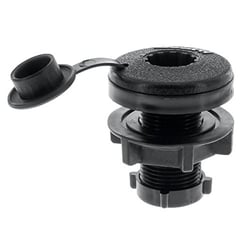
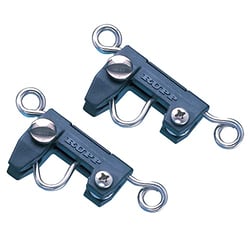
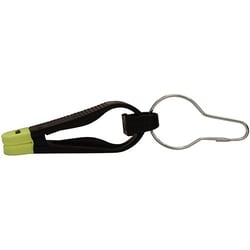
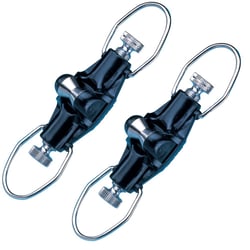
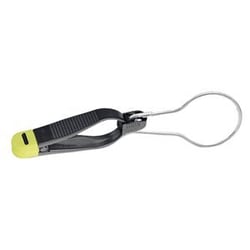
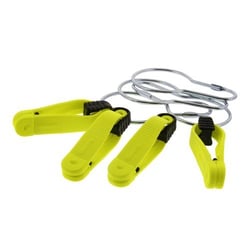
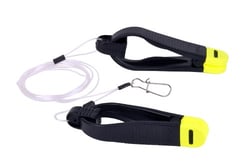
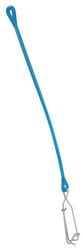
Scotty 1177-BUCKET Power Grip Plus Planer Board Release Clips Bucket of 40

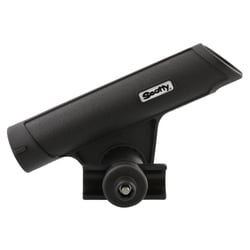
Scotty Downriggers 0111 Kayak Fishing Starter Pack with Rod Holder and Accessories
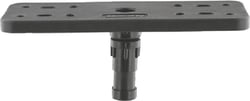

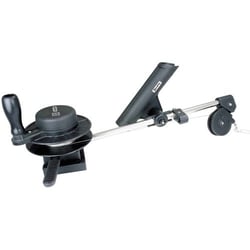
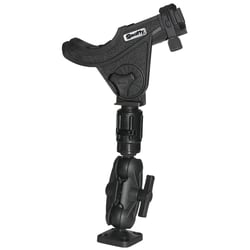
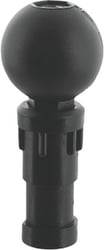
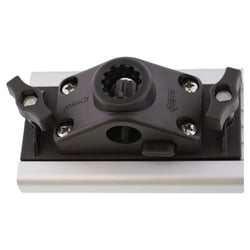
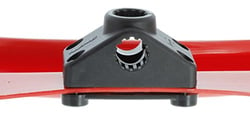
Scotty Downriggers 0162 1.5" Ball Mount with Gear Head Adapter and Side Deck Mount
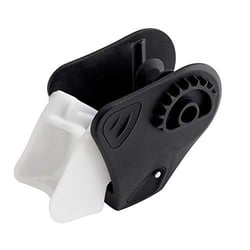

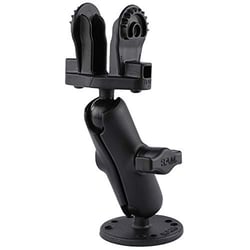
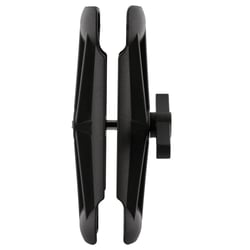
Ram Mounts RAM-B-101-LO12 1-Inch Ball Mount for Lowrance Hook2 Fish Finders

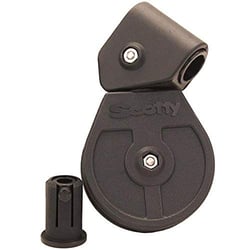
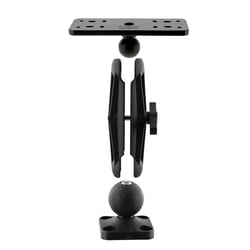
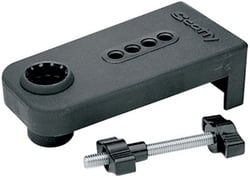
- 1
- 2
What Is a Downrigger and Why Do Anglers Use Them?
A downrigger is one of the most transformative tools a trolling angler can add to their boat. Controlled depth fishing — the ability to place your bait at an exact depth in the water column — is the core purpose of a downrigger, and it changes the entire equation of a day on the water. Instead of guessing where fish are holding, anglers can dial in the precise depth where salmon, walleye, lake trout, or kokanee are actively feeding and keep their presentation right in that strike zone for hours at a time.
The concept is elegantly simple: a heavy cannonball weight is lowered on a steel cable or braided line to a measured depth, your fishing line is clipped to a release on that cable, and when a fish strikes, the line pops free so you can fight the fish on light tackle. Whether you're running a manual hand-crank unit or a fully electric model with preset depth memory, downriggers give you a level of control over your spread that no amount of lead core line or diving weights can match.
Manual vs. Electric Downriggers
Choosing between a manual and electric downrigger often comes down to how deep you fish and how often you reset your lines. Manual downriggers are straightforward, durable, and an excellent entry point for anglers new to the technique — particularly when fishing relatively shallow water. Electric downriggers shine when fish are holding deep or when you're frequently adjusting depth to track bait balls and temperature breaks. Modern electric models from premium brands can retrieve weights at impressive speeds, letting you fight a fish and reset your gear without missing a beat.
Advanced electric models now feature capabilities like programmable depth presets, automatic bottom tracking, and even wireless networking with compatible fish finders — turning a single downrigger into part of a fully integrated onboard fishing system.
Key Accessories That Complete Your Downrigger Setup
A complete downrigger system goes well beyond the main unit itself. Key accessories include:
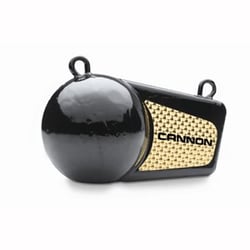
- Downrigger weights (cannonballs): Available in a range of sizes to handle different depths, currents, and trolling speeds.
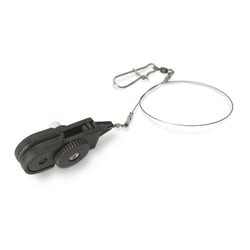
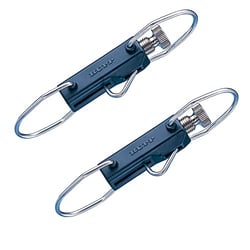
- Line release clips: Calibrated tension clips that hold your fishing line until a fish strikes, then pop free cleanly.
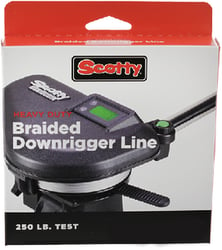
- Downrigger cable and braid: Stainless steel cable offers reliable auto-stop function; braided line offers flexibility and reduced drag.
- Rod holders: Secure your rods at the right angle to detect strikes and manage multiple lines in your spread.
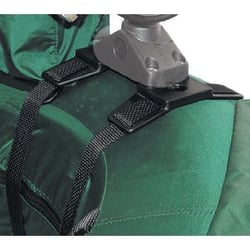
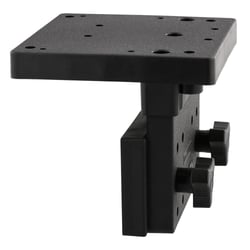
- Mounting hardware and bases: Swivel mounts and deck plates allow repositioning and storage when not in use.
Top Brands in Downriggers & Accessories
Cannon is the brand most closely associated with downrigger innovation. Cannon created the world's first downrigger in 1979 and has spent decades refining the technology, culminating in feature-rich electric models built around their One-Boat Network — a system that allows multiple downriggers to be wirelessly networked and controlled from a compatible Humminbird fish finder or mobile app. With a corrosion-resistant composite build and a limited lifetime warranty, Cannon downriggers are a trusted choice for serious Great Lakes and coastal trolling anglers.
Sierra rounds out the category with marine-grade replacement parts and accessories that help anglers maintain and upgrade their downrigger systems. Sierra's reputation for quality marine components makes them a reliable source for the hardware that keeps your trolling setup running smoothly season after season.