



Electronic Boxes
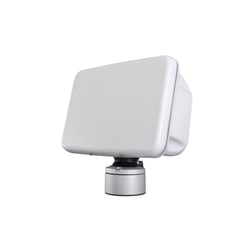

 Representative Photo, actual item may vary
Seaview SV5030P PowerPod Uncut Aluminum Base 15.25" x 10.5" Marine Electronics Mount

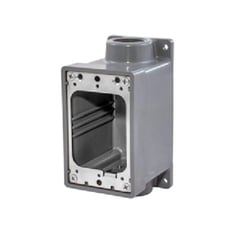

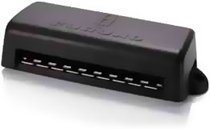

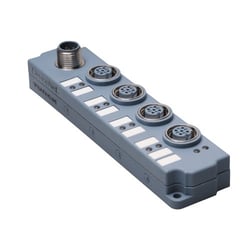

What Are Marine Electronic Boxes?
Electronic boxes are purpose-built enclosures designed to house, organize, and protect sensitive electrical components and wiring aboard boats and other marine vessels. Whether you call them junction boxes, waterproof enclosures, or electrical housings, they all serve one critical mission: keeping the electronics that power your navigation, communication, and auxiliary systems safe from the relentless punishment of the marine environment.
Out on the water, electronics face a unique combination of threats. Salt spray, humidity, UV radiation, vibration, and the occasional splash or wave can all wreak havoc on exposed wiring junctions, circuit boards, and power interfaces. Without a properly rated enclosure, corrosion can set in quickly, causing malfunctions, shorts, or outright failure of mission-critical systems at the worst possible time.
Why Electronic Boxes Matter on the Water
A well-chosen electronic box does more than just keep things dry. It organizes cable runs, consolidates wiring junctions into a single serviceable location, and provides a clean, professional installation that is easier to inspect and maintain. Many boaters find that upgrading to a quality enclosure also simplifies future electronics upgrades — instead of dealing with a "spaghetti" of exposed connections, everything is routed cleanly through a central, sealed point.
IP (Ingress Protection) ratings are one of the most important specifications to look for when shopping this category. Ratings like IP66 and IP67 indicate the degree to which an enclosure resists water and debris. For most marine applications, a minimum of IP66 is recommended, while installations closer to the waterline or in particularly exposed locations may benefit from IP67 or higher protection.
Key Considerations When Choosing an Electronic Box
- IP Rating: Match the enclosure's waterproof rating to its intended location on the vessel — cockpit, bilge, and through-hull installations demand higher ratings.
- Material: Common choices include glass-reinforced plastic, UV-resistant polycarbonate, and marine-grade aluminum — each offering different trade-offs between weight, durability, and corrosion resistance.
- Terminal Count & Cable Capacity: Make sure the enclosure can accommodate the number of cables and connections your installation requires, with room to grow.
- Mounting Options: Look for boxes that include surface-mount brackets or can be removed for inspection without disturbing wiring.
- Size & Form Factor: Measure your installation space carefully. Electronic boxes come in compact single-purpose sizes as well as larger multi-terminal configurations.
Top Brands in Electronic Boxes
Scanstrut is widely regarded as a leader in marine electronic installation solutions. With over 30 years of experience, Scanstrut designs products that work closely alongside leading marine electronics manufacturers to ensure seamless integration. Their junction box lineup — including both standard and deluxe configurations — features glass-reinforced plastic construction, IP66-rated watertight connections, and a "fit and forget" design philosophy that makes installation straightforward and long-lasting.