



Engine Batteries

What Is an Engine Battery and Why Does It Matter?
The engine battery is the heartbeat of your vehicle's electrical system. It delivers the burst of power needed to start your engine, keeps lights and accessories running when the engine is off, and stabilizes voltage across sensitive onboard electronics — from your ECU to your infotainment system. Without a properly matched, fully functional battery, even the most well-maintained vehicle won't get out of the driveway.
Modern vehicles place ever-increasing demands on their batteries. Advanced driver-assistance systems, start-stop technology, premium audio, heated seats, and multiple onboard computers all draw power — making the right battery choice more consequential than ever before.
Types of Engine Batteries
Not all engine batteries are built the same. Understanding the key technology types helps you choose the right one for your application and budget:
- Flooded Lead-Acid (FLA): The traditional standard for decades, flooded batteries use a liquid electrolyte to generate current. They're widely available and typically the most affordable option, though they require periodic maintenance and generally have a shorter lifespan than sealed alternatives.
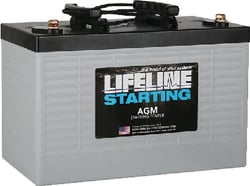
- Sealed / AGM (Absorbent Glass Mat): AGM batteries use fiberglass mats to suspend the electrolyte, making them spill-proof and virtually maintenance-free. They offer superior vibration resistance, higher cold cranking amps, and perform better in temperature extremes. They're the go-to choice for vehicles with start-stop systems, high electrical demands, or rough-use environments.
- Gel Cell: A variant of sealed lead-acid technology, gel cell batteries use a thickened electrolyte to reduce leakage risk and improve resistance to shock and vibration, and can even be mounted in non-upright positions.
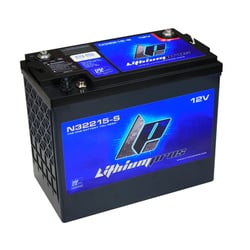
- Lithium-Ion: Increasingly popular in performance and hybrid applications, lithium-ion batteries are lightweight, charge quickly, and offer a longer lifespan — though they come at a higher price point.
Key Specs to Know Before You Buy
Engine batteries are rated by several critical specifications that determine real-world performance:
- Cold Cranking Amps (CCA): The most important rating for most drivers — CCA measures how much current a battery can deliver at 0°F for 30 seconds. The higher the CCA, the more reliable your starts in cold weather. Most passenger cars fall in the 300–600 CCA range, while heavy-duty trucks may require 800–1,000 CCA.
- Reserve Capacity (RC): RC measures how long a fully charged battery can supply 25 amps before dropping below 10.5 volts — essentially, how long your vehicle can run essential electronics if the alternator fails. A higher RC provides added peace of mind, especially for accessory-heavy vehicles.
- Group Size: Batteries are categorized by BCI group size (such as Group 35, Group 48, or Group 65), which defines the battery's physical dimensions and terminal placement. Installing the wrong group size can prevent proper fitment and even damage your charging system.
Choosing the Right Engine Battery
The single most important rule when replacing an engine battery: always match or exceed your vehicle manufacturer's specifications. If your vehicle came from the factory with an AGM battery, it must be replaced with an AGM — downgrading to a flooded battery can confuse the charging system and lead to premature failure. Conversely, if your vehicle uses a standard flooded battery, you generally have the option to upgrade to AGM for improved performance and longevity.
Always consult your owner's manual for the recommended group size, CCA rating, and battery type before purchasing. Climate matters too — drivers in colder regions should prioritize higher CCA ratings, while those in warmer climates or those with high electronic accessory loads should pay close attention to reserve capacity. With the right engine battery installed, you can count on reliable starts and consistent electrical performance mile after mile.