



Engine Flushes


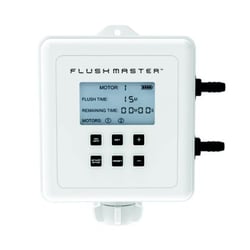
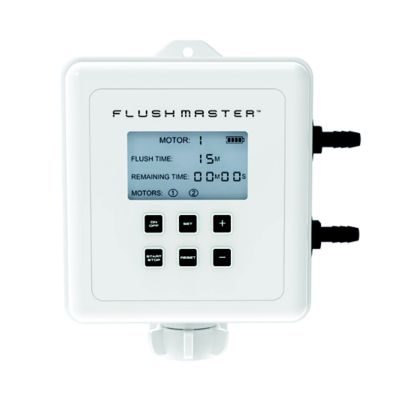
SeaMule SM-FM2012 FlushMaster 2-Port Outboard Engine Flushing System with 12ft Hoses


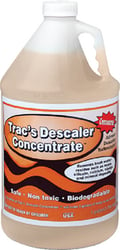
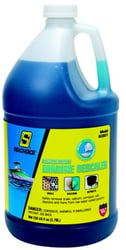
Trac Outdoor 1204MG Ecological Descaler Fresh Water Scale Remover Ready-To-Use 1 Gallon

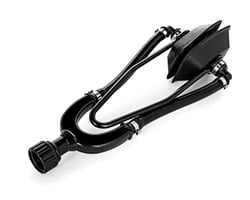

 Representative Photo, actual item may vary


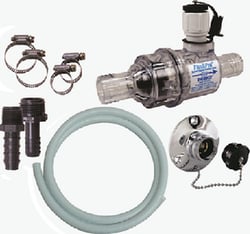
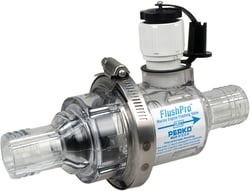
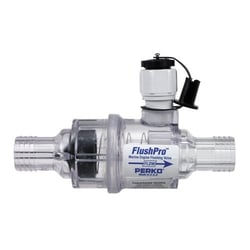
Perko 0457DP6 Flush Pro Complete Valve Kit 1 Inch Marine Engine Flushing System

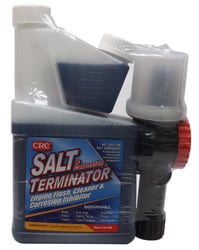
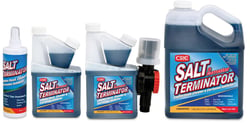
CRC Industries 1007976 Salt Terminator Engine Flush Cleaner & Corrosion Inhibitor with Mixer - 32 oz
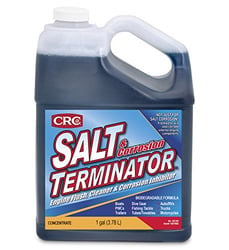
CRC Industries 1007968 Salt Terminator Engine Flush Cleaner and Corrosion Inhibitor 1 Gallon
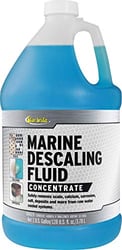
Trac Outdoor 1212MG Ecological Descaler Fresh Water Scale Remover 1 Gallon Concentrate
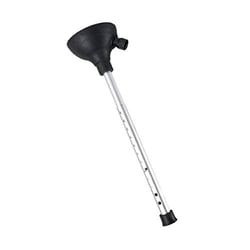

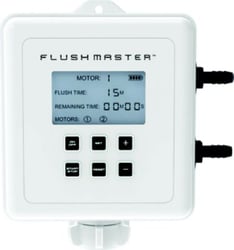
SeaMule SM-FM4020 FlushMaster 4-Port Engine Flushing System with Dual 20ft Hoses
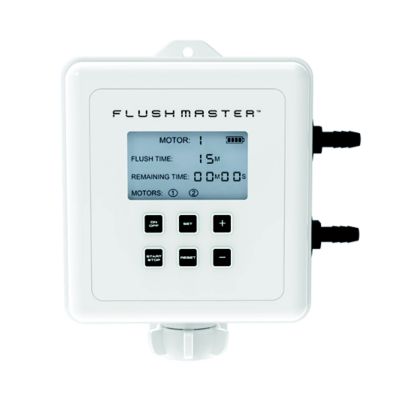 Representative Photo, actual item may vary
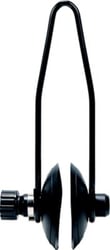
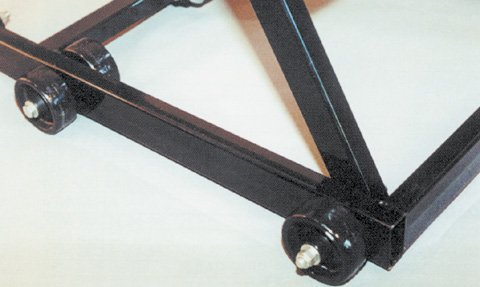 Representative Photo, actual item may vary

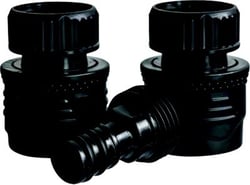
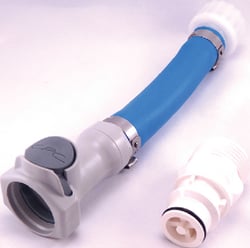
SeaMule SM-FMQCY FlushMaster Quick Connect Flushing System for Yamaha Outboards
Why Engine Flushing Is Essential for Marine and RV Engines
Every time you take your boat or RV out on the water — especially in saltwater, brackish, or sediment-heavy environments — your engine's cooling system takes on a heavy load. Salt crystals, sand, algae, and mineral deposits can accumulate inside cooling passages, leading to overheating, corrosion, and costly engine damage over time. Regular engine flushing is one of the simplest and most effective forms of preventive maintenance you can perform, and it's a habit that serious boaters and RV owners swear by.
An engine flush works by running fresh water through the powerhead and cooling jacket of your outboard or inboard motor, purging corrosive saltwater and debris before they have a chance to cause damage. Most manufacturers recommend flushing after every single saltwater use, and at minimum before any extended period of storage. Done consistently, flushing can significantly extend the service life of your engine's cooling system, water pump, and internal passages.
Types of Engine Flush Devices
Engine flush products come in a few common forms. Earmuff-style flushing attachments cup around the lower unit's water intakes and connect directly to a garden hose, allowing you to run the engine in-place without a test tank. Flush port adapters thread into a dedicated flush fitting found on many modern outboards, delivering water directly into the cooling circuit. Some kits combine both approaches for maximum versatility. When shopping, consider whether your engine has a built-in flush port, what size and style of intake your motor uses, and whether you need a kit suited for a single engine or twin-engine setup.
Top Brands in Marine Engine Flushes
Perko is the dominant name in this category, and for good reason. Perko has been a trusted manufacturer of marine hardware and accessories for well over a century, and their engine flush products reflect that deep industry expertise. Their flush kits are engineered specifically for marine applications, with durable construction designed to hold up to repeated use in demanding saltwater environments.
Camco brings its reputation for practical, well-designed RV and marine accessories to the engine flush category. Camco's flush solutions are known for their ease of use, making them a popular choice for boaters who want a straightforward, no-fuss flushing routine after a day on the water.
SeaMule offers purpose-built marine flushing accessories designed with the working boater in mind. Their products focus on reliable sealing and a secure fit, ensuring that freshwater reaches every part of the cooling circuit during the flush cycle.
Seachoice is a well-established supplier of marine accessories that covers a wide range of boating needs. Their engine flush offerings provide an accessible, value-oriented option for boat owners looking to maintain their engines without breaking the bank.
Starbrite is widely recognized in the marine care and maintenance space, and their presence in the engine flush category is a natural extension of their expertise. Starbrite products are formulated and designed with corrosion prevention as a core focus — a philosophy that aligns perfectly with the goals of a proper engine flush routine.
Tips for a Proper Engine Flush
- Always flush after every saltwater or brackish water outing.
- Run the engine at idle during the flush to ensure water circulates fully through the cooling system.
- Flush before winterizing or any long-term storage to prevent salt and mineral buildup from sitting in the engine.
- Check that your flush attachment forms a watertight seal around the water intakes before starting the engine.
- Consult your engine owner's manual for the manufacturer's specific flush procedure and duration recommendations.