



Engine Room Lights
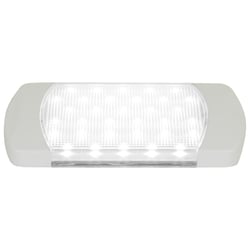

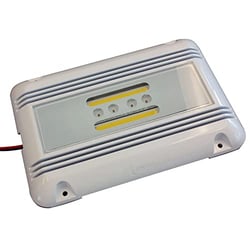
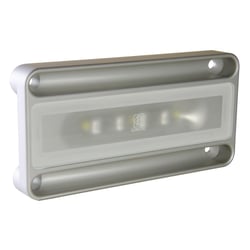
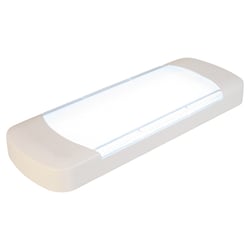
Lunasea Lighting LLB-51WO-91-10 LED Engine Room Utility Light 16W 3200 Lumen Ignition Proof


Why Engine Room Lighting Matters on Any Vessel
The engine room is often called the heart of a boat — and like any vital system, it demands proper illumination. Engine room lights are purpose-built marine fixtures designed to provide reliable, high-output lighting in one of the most demanding environments aboard a vessel. Whether you're performing routine maintenance, chasing down a fluid leak, or doing emergency repairs underway, having the right light overhead can make the difference between a quick fix and a dangerous situation.
Unlike general household or even standard automotive lighting, marine engine room lights must endure a uniquely punishing combination of conditions. Vibration, elevated heat, fuel vapors, moisture, and salt air are all facts of life in an engine compartment. Fixtures in this category are engineered specifically to cope with those challenges — which is why the specs matter so much when shopping.
Key Features to Look for in an Engine Room Light
- Ignition Protection: This is non-negotiable in any space where fuel vapors may be present. Ignition-protected fixtures are designed to prevent sparks from igniting flammable gases — a critical safety standard for engine bays and bilge areas.
- IP Rating: Ingress Protection (IP) ratings indicate resistance to water and dust. For engine rooms, look for fixtures rated IP67 or higher, which means the light can withstand temporary immersion and is fully dust-tight.
- LED Technology: Modern LED engine room lights offer significant advantages over older incandescent or fluorescent options. LEDs consume less energy, are far more resistant to vibration, produce less heat, and last significantly longer than incandescent alternatives — reducing the cost and hassle of replacements.
- Beam Spread: Engine compartments are often cluttered and shadowy. Wide-angle fixtures — those approaching a 180-degree spread — help eliminate dark corners and ensure even illumination throughout the space.
- Voltage Compatibility: Most marine LED engine room lights are designed to operate across a wide DC voltage range (typically 10–30V), making them compatible with both 12V and 24V electrical systems.
- Build Quality: Look for corrosion-resistant housings in aluminum or high-impact polycarbonate, along with secure mounting options suited to tight, irregular spaces.
LED vs. Fluorescent: Making the Switch
Many older vessels still rely on large fluorescent tube fixtures in the engine room. While fluorescent lights were once the go-to for broad illumination, LED technology has largely rendered them obsolete for marine use. LEDs are far sturdier against the constant vibration of running engines, draw a fraction of the power, and deliver comparable or superior lumen output in a far more compact form factor. For any boater looking to upgrade, switching to LED engine room lighting is one of the most practical improvements you can make.
Top Brands in Engine Room Lights
Lumitec is widely regarded as a benchmark brand in marine LED lighting. Their engine room lineup — including the popular Nevis and Ibiza series — features fixtures that are completely sealed, ignition-protected, and engineered for a near-180-degree beam spread that floods even the tightest compartments with even, bright light. Developed, designed, and manufactured in Florida, USA, Lumitec products undergo rigorous testing for shock, vibration, water ingress, and heat — and the brand backs its entire marine line with a strong warranty program.