



Engine Tune-Up, Carburetor, Choke & Carbon Cleaners

Every internal combustion engine, whether it powers a truck, a boat, a generator or a vintage carbureted classic, produces deposits as it runs. Fuel leaves behind gum and varnish, combustion creates carbon and soot, and stored fuel can break down over time. Engine tune-up, carburetor, choke and carbon cleaners are chemical maintenance products designed to dissolve these deposits and help restore smooth, efficient operation without a full teardown.
Why These Cleaners Matter
A carburetor meters fuel and air through very small jets and passages, so even a thin film of varnish can cause rough idling, hesitation, hard starting, backfiring or a loss of power. Automatic chokes can stick when coated with residue, and related components such as heat risers and PCV valves can clog with sludge. On the combustion side, carbon builds up on valves, injectors and in the chamber, and can eventually migrate into the exhaust, where it can reduce catalytic converter efficiency. Regular cleaning is a low-cost way to protect these systems, especially for marine and seasonal equipment that sits unused between outings.
Types of Cleaners
- Aerosol carb and choke cleaners: sprayed directly onto carburetor parts, chokes and intake components to dissolve gum, sludge and varnish quickly.
- Fuel and oil system treatments: poured into the tank or crankcase to clean injectors or carburetor jets, and to stabilize stored fuel.
- Induction and decarbonizing cleaners: introduced through the intake to remove carbon and soot from valves and combustion chambers.
Key Considerations When Shopping
- Engine type: carburetor sprays suit carbureted engines, while fuel-tank additives work across gasoline and diesel setups.
- Sensor safety: look for formulas labeled safe for oxygen sensors and catalytic converters if your vehicle has them.
- Material compatibility: many aerosol cleaners are not plastic safe, so keep them off plastic and painted surfaces.
- Safety and regulations: most aerosol cleaners are extremely flammable, and low-VOC formulas are designed to meet state and federal rules.
Top Brands in This Category
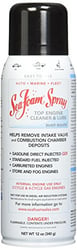
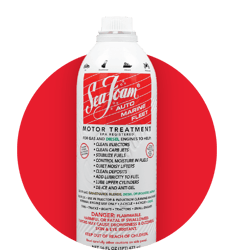
Sea Foam is one of the best-known names in engine additives. Sea Foam Motor Treatment was invented in the 1930s by Fred Fandrei, who wanted to solve fuel-related issues in his outboard motor, and was trademarked in 1942. It is promoted for use in motorcycles, boats, lawn mowers, snow throwers and other engines, which makes it a versatile choice for mixed fleets of vehicles and equipment.
CRC Industries is a familiar name in aerosol maintenance chemicals. Its carb and choke cleaners are formulated to dissolve gum, sludge and varnish deposits, and are described as safe for oxygen sensors and catalytic converters. The line also includes a marine version, which suits boat owners working on carbureted outboards and inboards.
Davico Catalytic approaches the category from the exhaust side. Carbon and soot accumulate in the combustion chambers and over time migrate into the converter substrate, lowering catalyst efficiency. Davico's Sledgehammer 2-Step Induction Kit pairs a fuel system treatment with an aerosol induction cleaner, and the company recommends using it every 80,000 miles or when replacing a catalytic converter.
Getting the Best Results
Always follow the label directions, work in a well-ventilated area, and match the product to the job: spray cleaners for external carburetor and choke components, fuel-tank treatments for routine system upkeep and fuel stabilization, and induction cleaners for carbon buildup. Pairing cleaners with fresh filters, spark plugs and quality fuel keeps a tune-up effective for longer.