



Fenders
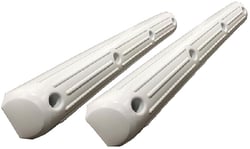
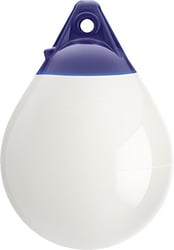


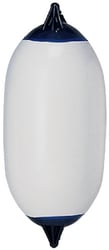

 Representative Photo, actual item may vary

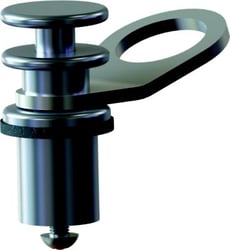
Taco Metals F18-0186VEL-1 Aluminum Quick Release Fender Lock for Pontoon Boats

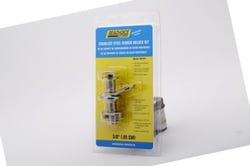

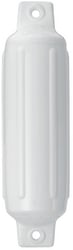
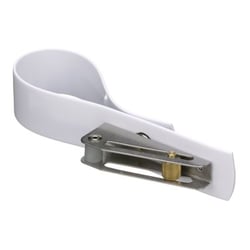
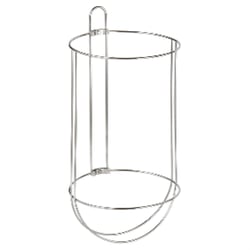
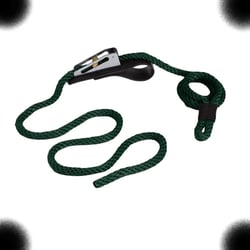
Seachoice 79101 Automatic Fender Adjuster and Holder with Stainless Steel Hardware
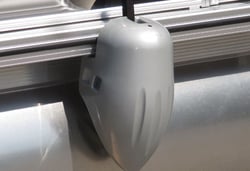

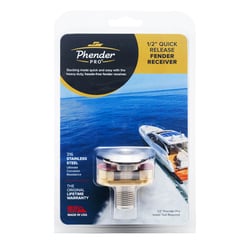
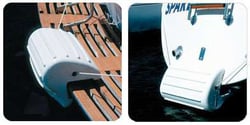

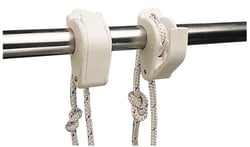
Sea-Dog Line 327200-1 Fender Mate Bracket Pair for Round Tubing and Lifeline Wire

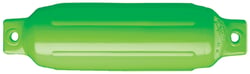
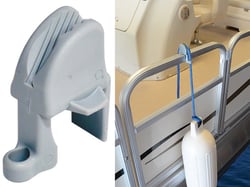
 Representative Photo, actual item may vary
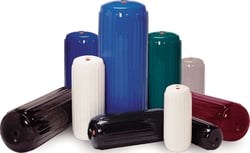
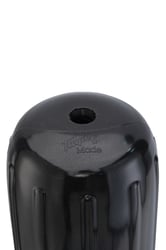
Polyform HTM-3 BLACK W/AIR ADAPTER Hole-Through-Middle Boat Fender 10.5" x 27"
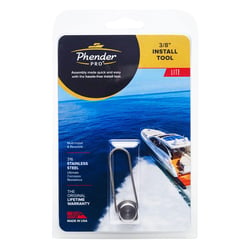
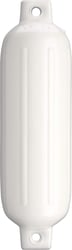
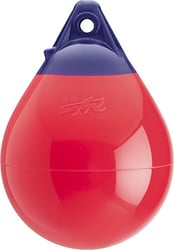
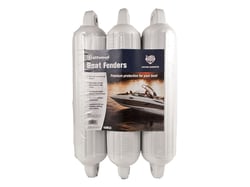
 Representative Photo, actual item may vary
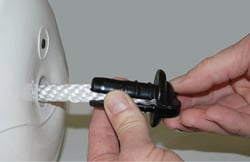
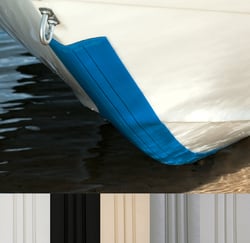

 Representative Photo, actual item may vary
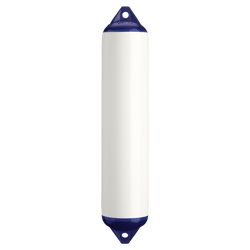
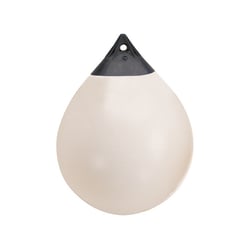
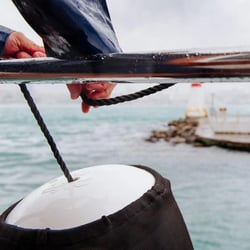
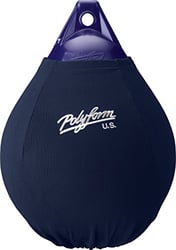
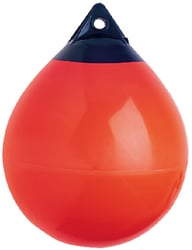
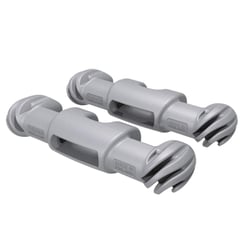
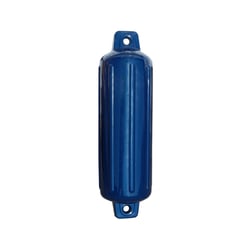
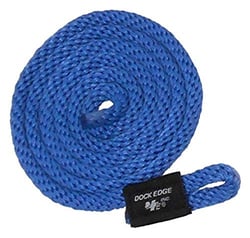
 Representative Photo, actual item may vary
T-H Marine Boat Fender


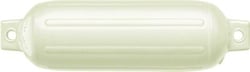

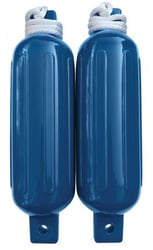

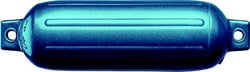
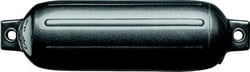
Why Boat Fenders Are Essential for Every Vessel
Whether you're pulling into a busy marina slip or rafting alongside another vessel in an open anchorage, boat fenders are your hull's first line of defense. These inflatable or solid bumpers hang between your boat and any hard surface — docks, pilings, other boats — absorbing impact energy that would otherwise translate into costly fiberglass repairs and unsightly gelcoat scratches. No matter the size of your vessel, having the right fenders rigged and ready is one of the most straightforward ways to protect a significant investment.
Types of Boat Fenders
The fender market covers a wide range of styles, each suited to different applications:
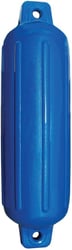
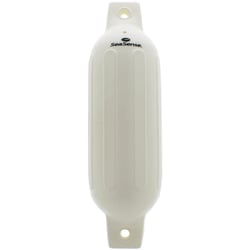
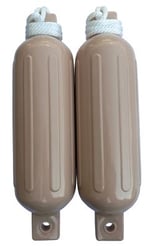
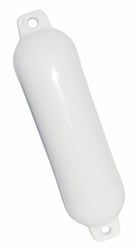
- Cylindrical / Twin-Eye Fenders: The most common style, hung vertically from cleats using fender lines. Ideal for standard dock tie-ups and rafting situations.
- Round / Ball Fenders: Excellent for corner pilings and areas where the angle of contact changes unpredictably.
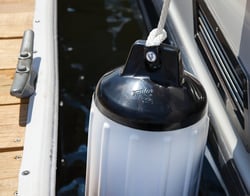
- Hole-Through-Middle (HTM) Fenders: A fender line threads directly through the center, making them extremely versatile for both vertical and horizontal deployment.
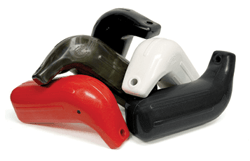
- Dock / Solid Fenders: Non-inflatable bumpers permanently mounted to a dock face or corner, offering a low-maintenance, always-ready barrier for slips and finger piers.
Key Buying Considerations
Choosing the right fender comes down to matching size to your vessel. A fender that's too small won't adequately distribute impact loads, while one that's too large can be unwieldy. As a general rule, add one inch of fender diameter for every 4–5 feet of boat length. Also consider the mooring environment — heavy tidal fluctuation calls for longer fenders, while high-traffic marinas may benefit from HTM-style units that can be rigged quickly in multiple orientations. UV resistance and marine-grade vinyl construction are must-haves for any fender that will live outdoors year-round.
Top Boat Fender Brands
Polyform is widely regarded as the benchmark in boat fenders. Polyform U.S. is a leading manufacturer of boat fenders, buoys, and marine protection equipment, trusted by boaters, marinas, and commercial operators worldwide, with over 70 years of experience building a reputation for durable, high-quality products designed to protect vessels in the toughest marine conditions. Polyform offers a wide range of solutions including utility fenders, yacht fenders, center tube fenders, and commercial-grade buoys, all engineered with even wall thickness, reinforced rope holds, and durable vinyl construction to withstand UV exposure, abrasion, and harsh marine environments.
Dock Edge has been a fixture in the docking accessories market since 1991. Dock Edge+ has been manufacturing reliable docking and mooring products since 1991. Their fender lineup — including the popular Dolphin series — is engineered using high-quality marine-grade vinyl that resists mildew, gas, oil, seawater, and bacteria, with UV stabilizers to protect against sun damage.
Attwood Marine brings a practical, boater-friendly approach to hull protection. Their SoftSide fender line is known for reliable hull protection with a soft, lightweight design that's easy on boats and tough on impact, made from UV-resistant polymer with seamless one-piece construction that resists chalking, splitting, and crushing. Many Attwood fenders are also backed by a lifetime guarantee against fading, chalking, deflating, and more.
Taylor Made is a well-established name in marine accessories with a broad fender offering that spans recreational and semi-commercial use. Their products are consistently found in major marine retailers and cover everything from basic cylindrical fenders to specialty step-fender designs built for demanding dock environments.