



Fire Extinguishers



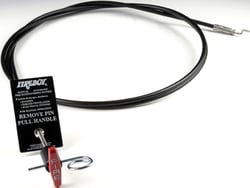
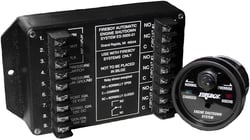
Fireboy E-4209-16 Manual Discharge Cable Kit 16' for Marine Fire Suppression
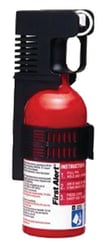
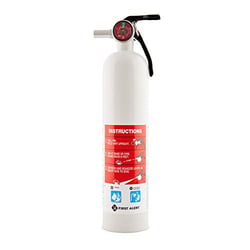
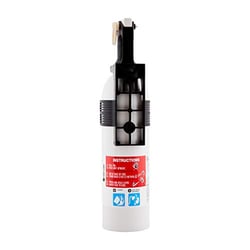
First Alert Canada Only FE5RPWCNA Multi-Purpose Dry Chemical Fire Extinguisher 5B:C
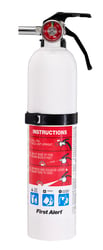
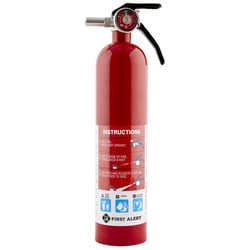
 Representative Photo, actual item may vary
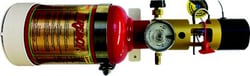
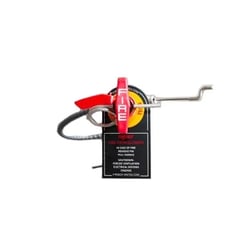
Fireboy MU0050NVC-F MU Series Horizontal Clean Agent Fire Suppression System 50 Cu Ft FK-5-1-12
Why Fire Extinguishers Are Essential for Marine & RV Safety
Fire is one of the most serious hazards aboard any vessel or recreational vehicle. Confined spaces, fuel systems, high-heat engines, and electrical wiring all create conditions where a fire can escalate within seconds. Having the right fire extinguisher on board isn't just a smart precaution — in many cases, it's a legal requirement. The U.S. Coast Guard mandates that most motorized vessels carry at least one approved fire extinguisher, and the type required depends on the size and configuration of your boat.
Unlike a house fire, a marine or RV fire leaves you with no quick exit and no fire department a few minutes away. That's what makes choosing the correct extinguisher — and knowing it's properly mounted and ready to deploy — so critically important for anyone who spends time on the water or on the road.
Types of Marine Fire Extinguishers
Fire extinguishers are rated by the classes of fire they can suppress. For boats and RVs, you'll most commonly encounter:
- B:C Rated Extinguishers — Effective against flammable liquid fires (fuel, oil) and electrical fires. These are the minimum USCG requirement for most recreational vessels.
- A:B:C Rated Extinguishers — Multi-purpose units that also handle ordinary combustibles like wood, paper, and fabrics, making them ideal for RV interiors and live-aboard vessels.
- Clean Agent Systems — Automatic suppression systems that discharge a gaseous agent without leaving water or powder residue. These are especially popular for protecting engine rooms and machinery spaces where cleanup damage is a secondary concern.
Key Considerations When Choosing a Fire Extinguisher
Before purchasing, consider where the extinguisher will be installed and what type of fire risk is most likely. Engine compartments benefit most from automatic fixed suppression systems that don't require human intervention to activate. Handheld portable units are well-suited for galleys, helm stations, and cockpits where a crew member can respond quickly. Always verify that any marine extinguisher is USCG-approved and comes with a suitable mounting bracket rated for the marine environment.
For RV applications, look for units with an A:B:C rating that can handle the variety of fire risks common to living spaces, propane systems, and engine bays. Annual inspections and periodic recharging or replacement keep your extinguisher ready when it matters most.
Top Brands in Marine & RV Fire Extinguishers
Fireboy (Fireboy-Xintex) is the dominant name in marine fire suppression, with over 40 years of specialized experience in on-board clean agent protection. Their automatic systems are engineered to discharge when engine room temperatures reach 175°F — suppressing fires in seconds without leaving residue. Fireboy systems carry approvals from the USCG, Factory Mutual, ISO RINA, and Bureau Veritas, covering vessels from small runabouts to large commercial craft.
BRK Electronics brings more than six decades of fire safety innovation to the marine market. Their marine-rated extinguishers, sold under the First Alert brand, are U.S. Coast Guard approved and built with commercial-grade metal valves and corrosion-resistant hardware — a practical, accessible choice for boaters and RV owners who want proven reliability at a straightforward price point.
Lifeline Fire has been a leading manufacturer of fire safety systems for the motorsport industry since 1994. Their handheld AFFF (aqueous film-forming foam) extinguishers and plumbed-in systems carry FIA homologation, making them a go-to choice for racing enthusiasts and performance vehicle builders who need certified, competition-legal fire protection.
Sparco is a globally recognized motorsport safety brand whose fire extinguishers are designed with the rigors of competitive racing in mind. Sparco extinguishers are built to meet the certification standards demanded by sanctioning bodies, offering a trusted option for track-day drivers and rally competitors who need compliant, reliable suppression equipment.
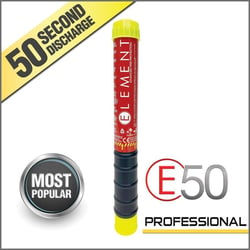
Element takes a modern approach to fire suppression with compact, clean-agent extinguishers that contain no powder, foam, or water. Their innovative design makes them especially popular for confined spaces like cockpits, engine bays, and RV storage areas where minimizing secondary damage is just as important as stopping the fire.