



Fuel Hose - Bulk

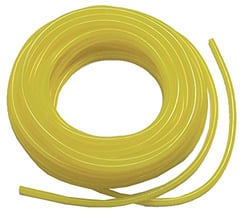
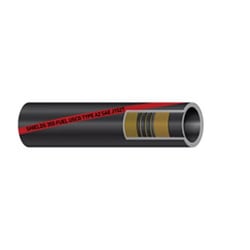
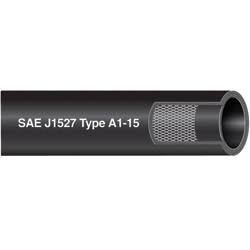
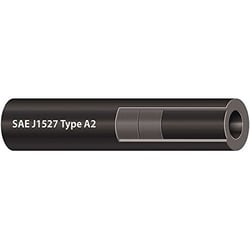
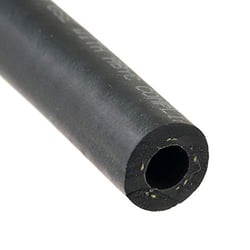
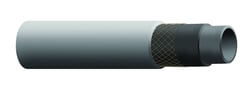
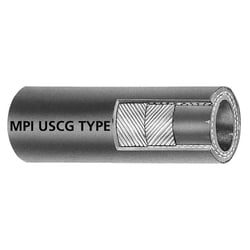
Marine Products International 360-0566 Perm-Guard Low Permeation Marine Fuel Hose 5/16" x 50'

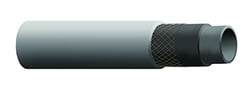
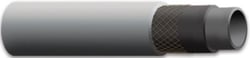
Shields Hose 16-337-0560S Silverado 4000 Type B1-15 Marine Outboard Fuel Line 5/16" x 250'

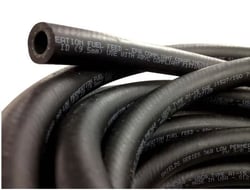
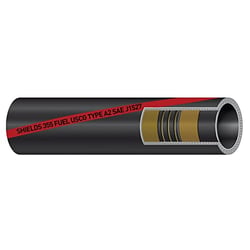
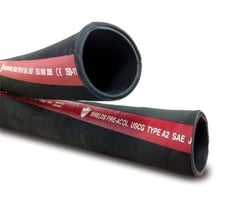
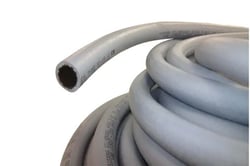
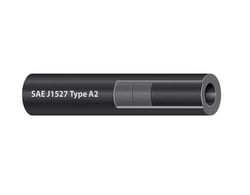
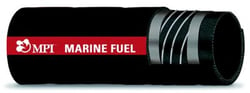

 Representative Photo, actual item may vary
 Representative Photo, actual item may vary
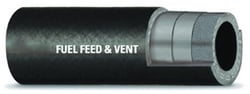
 Representative Photo, actual item may vary
What Is Bulk Fuel Hose and Why Does It Matter?
Bulk fuel hose is marine-grade tubing sold by the foot or in coiled lengths, designed to carry fuel from the tank to the engine — and to safely manage fuel vapors through fill and vent lines. Unlike pre-cut hose assemblies, bulk fuel hose gives boat builders, marine mechanics, and serious DIYers the flexibility to cut precise lengths for custom routing, reducing waste and ensuring a cleaner, more professional installation.
Because fuel hose operates in one of the most hazardous environments on a vessel — surrounded by flammable vapors, saltwater, UV exposure, and constant engine vibration — choosing the right hose is never a casual decision. Fuel hose in bulk must meet strict performance requirements that standard automotive hose simply cannot satisfy.
Understanding USCG Hose Types: A1, A2, B1, and B2
The United States Coast Guard has established four primary marine fuel hose classifications, and understanding the differences is critical for a safe, compliant build:
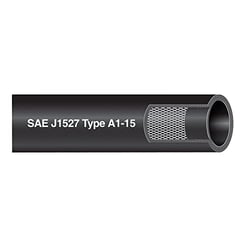
- Type A1: The gold standard for enclosed-space fuel feed applications such as inboard engine compartments. A1 hose is fire-resistant, low-permeation, and built to withstand the higher pressures of continuous-flow fuel feed systems.
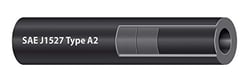
- Type A2: Designed for fuel fill and vent lines in enclosed spaces — such as the connection between a fuel fill port and the tank. A2 hose handles fuel vapor rather than continuous fuel flow, and is not suitable for direct fuel feed.
- Type B1: Used for fuel feed applications in well-ventilated, above-deck spaces. B1 hose should never be routed through enclosed engine compartments due to its lower fire resistance.
- Type B2: Intended for fuel fill and vent lines in ventilated, above-deck areas. B2 hose has the highest permeability of the four types and must never be used in enclosed spaces.
The USCG requires compliant marine fuel hose to be marked with its approved type designation every 12 inches along the hose — always verify this print line before installation.
Key Standards to Know: SAE J1527 and ISO 7840
Beyond USCG classifications, two standards govern the construction and performance of quality marine fuel hose. SAE J1527 outlines requirements for hose construction, performance, and labeling for pleasure craft, while ISO 7840 specifies fire resistance and permeation requirements for international marine applications, including compatibility with ethanol blends. For inboard gasoline systems in enclosed engine bays, look specifically for the A1-15 designation, which certifies both fire resistance and low fuel vapor permeation.
The Ethanol Challenge
Modern fuel blends like E10 pose a real threat to older or substandard fuel hose. Ethanol-blended fuels can cause the separation of inner hose layers, leading to blockages, or the detachment of particles that clog fuel filters and injectors. Always confirm that any bulk hose you purchase is rated for ethanol compatibility — look for markings indicating ISO 7840 E10/B10 compliance or equivalent. Marine-grade ethanol-resistant hoses feature inner liners specifically formulated to tolerate these aggressive fuel blends.
Choosing the Right Size
Bulk marine fuel hose is available in a range of inner diameters to suit different vessel sizes and engine demands. Common sizes include:
- 1/4" to 3/8" ID: Standard for most outboard and smaller inboard fuel feed lines.
- 1/2" to 5/8" ID: Suited to larger boats with higher-output engines requiring greater fuel volume.
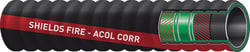
- 1-1/4" to 2-3/4" ID: Used for fuel fill hose connecting the deck fill port to the tank, typically Type A2-rated.
Always match the inner diameter of the hose to your fittings, clamps, and engine manufacturer specifications. Selecting a hose with an appropriate minimum bend radius is equally important — a hose that kinks in a tight engine bay can restrict fuel flow or create a dangerous wear point.
Installation and Maintenance Best Practices
Proper installation and regular inspection are as important as the hose itself. Use marine-grade stainless steel clamps at all connections, and inspect hoses routinely for signs of hardening, cracking, swelling, or fuel odor. Exposure to sun, heat, saltwater, and ethanol fuels can degrade even quality hose over time — replacement intervals of every five to seven years are commonly recommended, even when hose appears visually sound. Always review current USCG regulations and your vessel's applicable standards before completing any fuel system work.