



Gasoline Filters
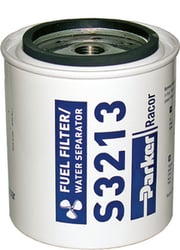

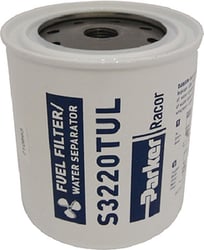
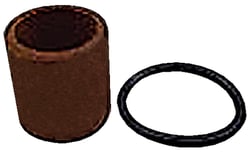

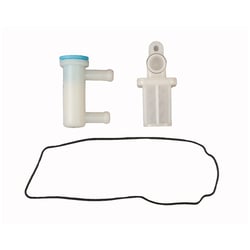

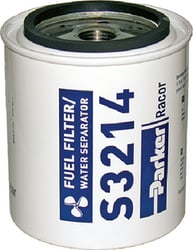
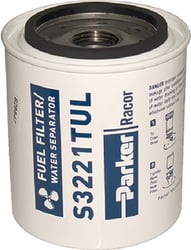
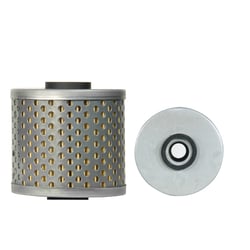
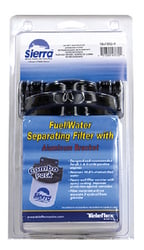
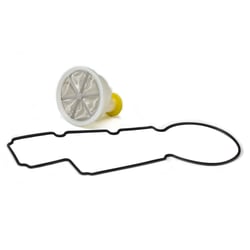
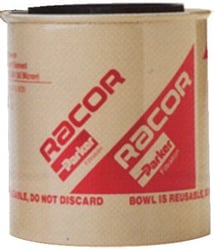
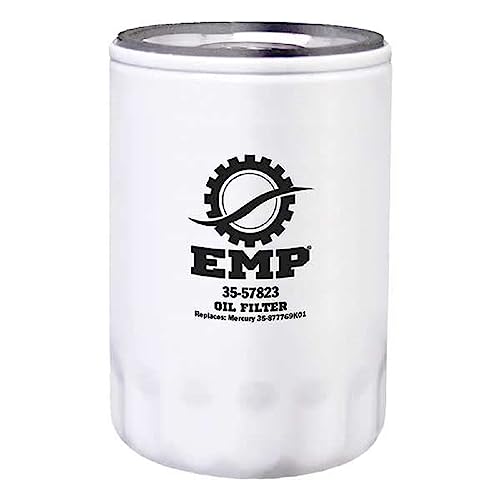 Representative Photo, actual item may vary

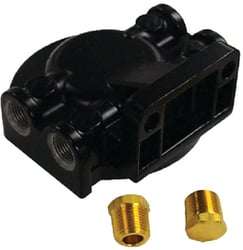
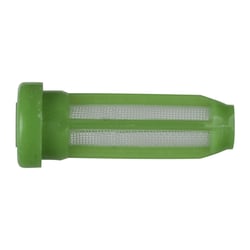
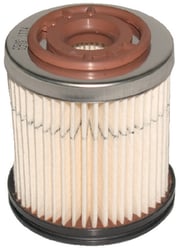
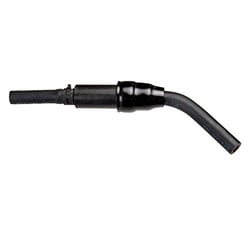
 Representative Photo, actual item may vary
Sierra 118-7791 Replacement Fuel Filter Element for Clearview Inline Fuel Filter
Why Gasoline Filters Matter for Marine & RV Engines
Fuel quality is one of the biggest threats to any marine or RV gasoline engine. Contaminated or poorly filtered fuel is a leading cause of marine engine problems. Out on open water or miles from the nearest service center, an engine failure caused by dirty fuel or water intrusion is far more than an inconvenience — it can be dangerous. Gasoline filters are the critical last line of defense between your fuel tank and your engine's most sensitive components.
Fuel filters are designed to trap particles, debris, and any water that may be present in the fuel. By purifying the fuel before it reaches the engine, they prevent contaminants from causing damage and ensure optimal performance. In marine environments specifically, the challenges are amplified: wave action stirs up sediment at the bottom of fuel tanks, ethanol-blended gasoline attracts moisture, and salt air accelerates corrosion throughout the fuel system.
What to Look for in a Marine Gasoline Filter
Not all gasoline filters are created equal. Here are the key factors to consider when choosing the right filter for your boat or RV:
- Micron Rating: The lower the micron rating, the finer the filtration. Lower micron ratings should be considered when there is no additional downstream filtration.
- Water Separation: Look for filter/water separator combination units, which not only catch particulate matter but also remove emulsified water from your gasoline before it reaches the engine.
- Flow Rate & Engine Size: Choosing a fuel filter requires knowing your engine's specifications and the conditions in which you'll be operating. The filter should have the appropriate rating for your engine's fuel flow and be capable of filtering out contaminants to the required size.
- Bowl Type: Choose from metal bowls or see-through covers to easily inspect filter condition. Clear bowls allow for quick visual inspection, while metal bowls are often required by ABYC safety standards in enclosed engine compartments.
- Certifications: For safety, prioritize filters that meet recognized standards. Racor's UL-listed filters meet ABYC, ASTM, ISO, and many other global standards for filters used in marine engine rooms.
To maintain efficiency and longevity, fuel filters should be replaced as part of regular maintenance. For boats, this often means a replacement every season or after a set number of engine hours, as outlined in your engine's maintenance manual.
Top Brands in Marine Gasoline Filters
Racor is widely regarded as the gold standard in marine fuel filtration. Parker Hannifin Corporation's Racor division has been a leader in filtration technology for marine fuel and hydraulic systems for decades. Their advanced water separating filters remove dirt particles and saltwater from fuel while trapping water below saturation levels. With a broad lineup covering everything from compact inline filters for small outboards to heavy-duty turbine series units for inboard engines, Racor offers a solution for virtually every gasoline-powered marine application.
Sierra is a trusted name in aftermarket marine engine components. Sierra products are engineered to meet today's high horsepower engine demands and stand up in the harsh marine environment, and all Sierra products meet or exceed the original equipment part they replace. Sierra fuel water separators remove over 99.8% of emulsified water from gasoline, and Sierra's 10-micron filters are over 90% efficient at removing particles as small as 10 micron.