



Gear Lube
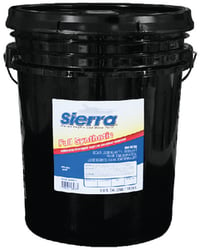

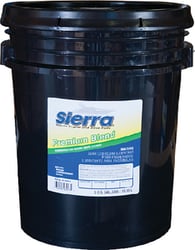
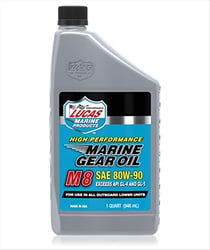


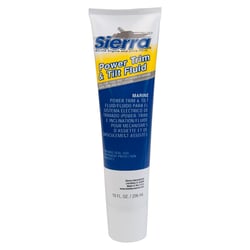
 Representative Photo, actual item may vary

 Representative Photo, actual item may vary

 Representative Photo, actual item may vary
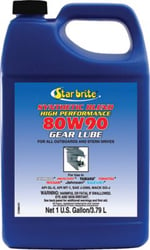
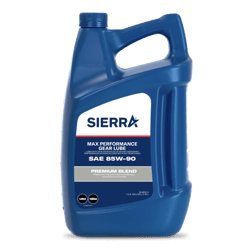
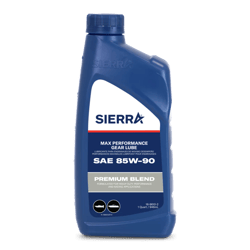
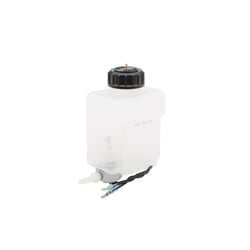
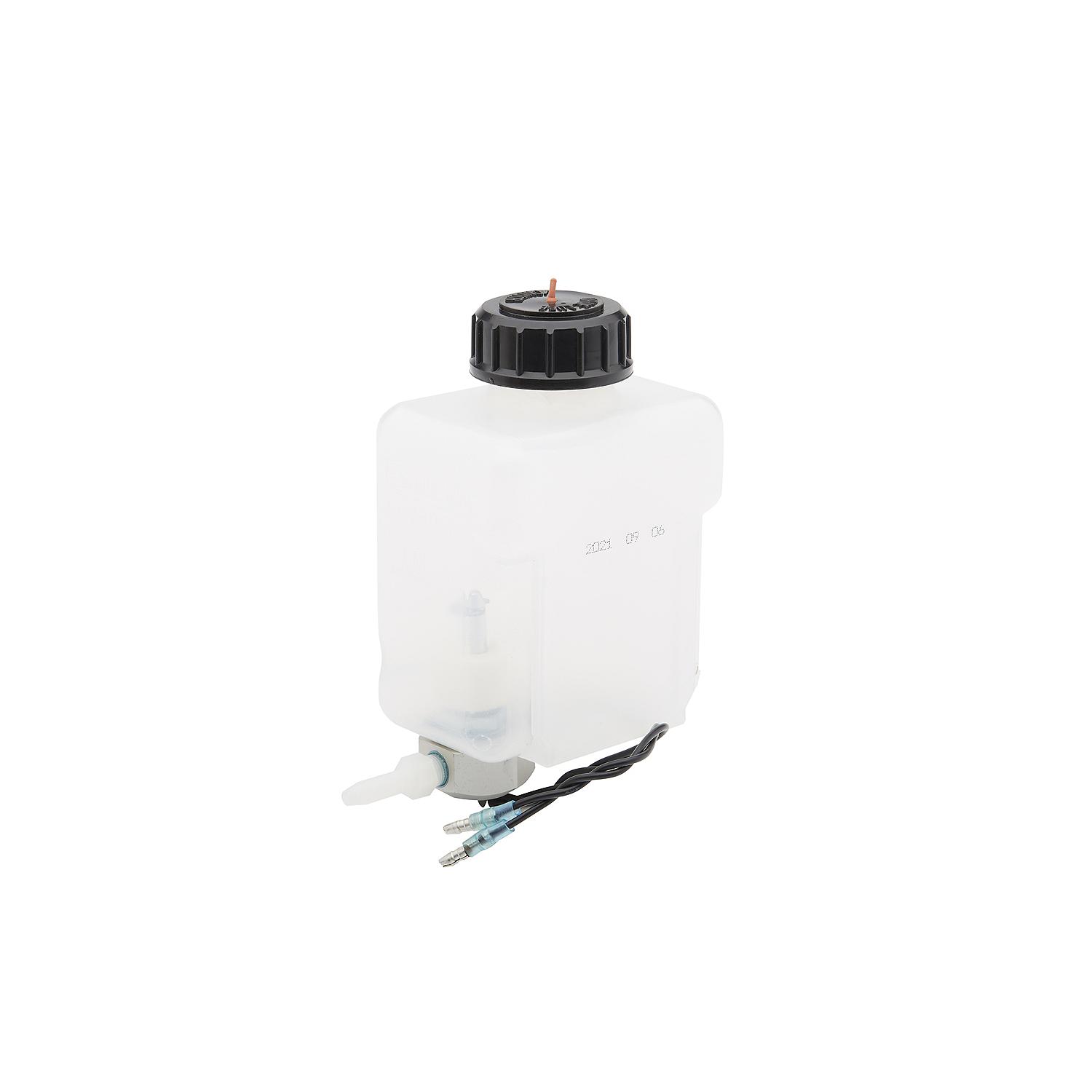
Quicksilver 8M0075708 Gear Lube Monitor Reservoir Bottle for MerCruiser Bravo Sterndrive
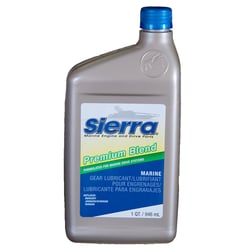
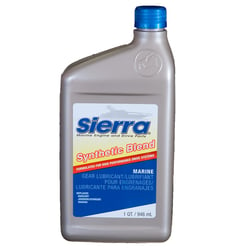
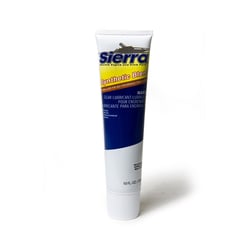
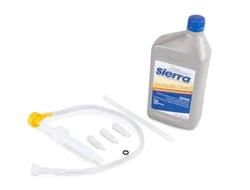
 Representative Photo, actual item may vary
 Representative Photo, actual item may vary
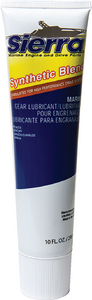 Representative Photo, actual item may vary
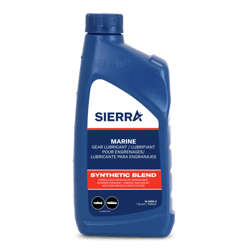
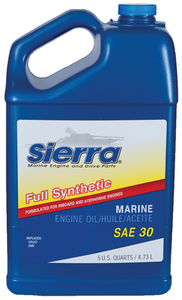 Representative Photo, actual item may vary
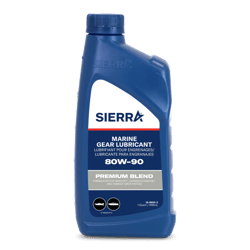
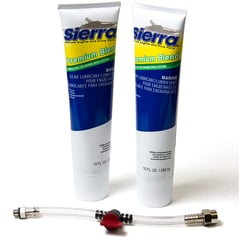
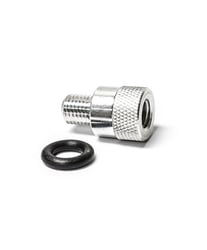
 Representative Photo, actual item may vary
 Representative Photo, actual item may vary
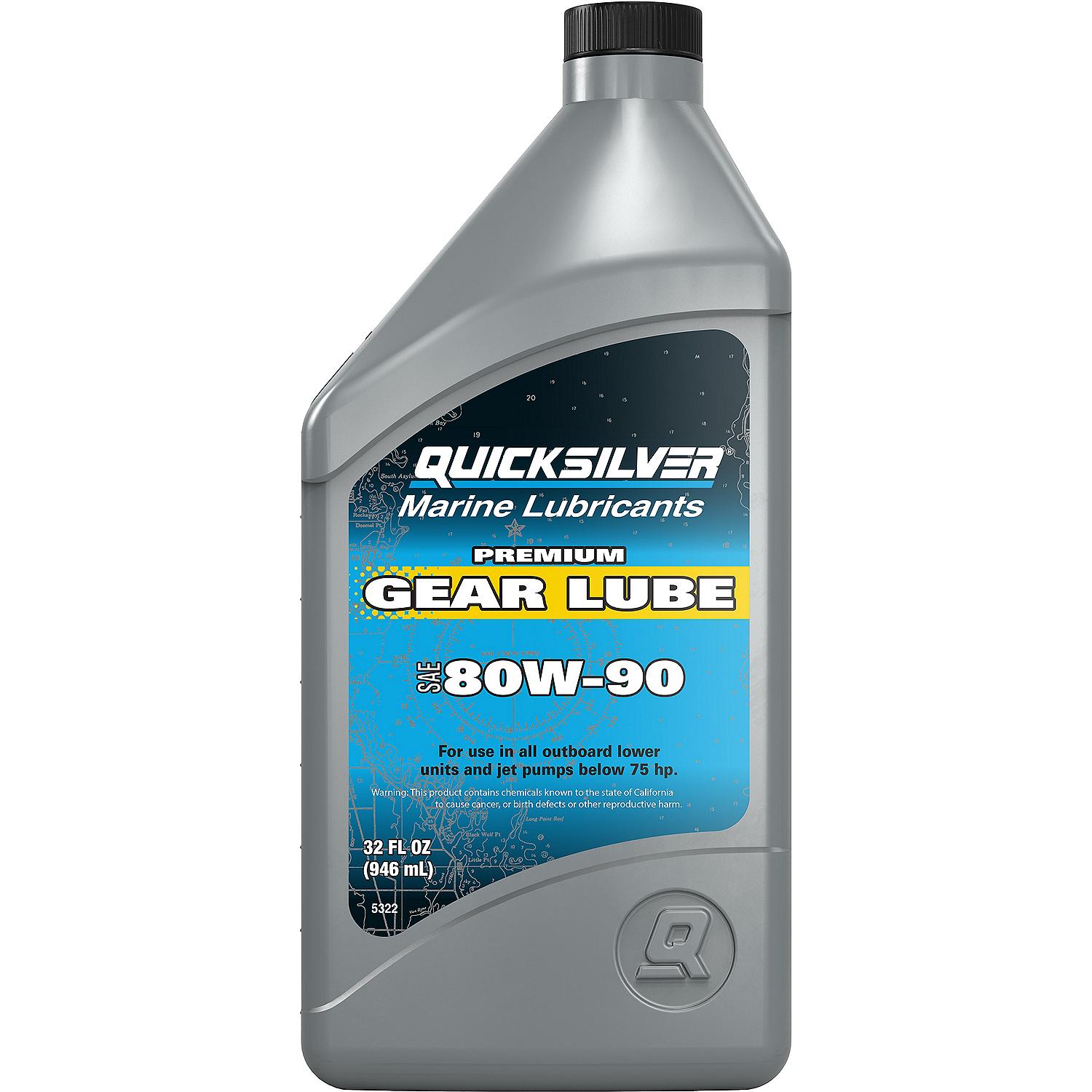 Representative Photo, actual item may vary
 Representative Photo, actual item may vary
 Representative Photo, actual item may vary

 Representative Photo, actual item may vary
 Representative Photo, actual item may vary
Prime Guard QUIK802844 Quicksilver 802844Q02 SAE 80W-90 Premium Marine Gear Lube 8 oz
 Representative Photo, actual item may vary
 Representative Photo, actual item may vary
 Representative Photo, actual item may vary


 Representative Photo, actual item may vary
What Is Marine Gear Lube and Why Does Your Lower Unit Need It?
Marine gear lube — also called lower unit oil or gearcase lubricant — is the specialized fluid that keeps the gears, bearings, and shafts inside your outboard or sterndrive's lower unit turning smoothly under extreme load. Marine gear oil lubricates the gear systems, transmissions, sterndrives, and lower units of boats, and is formulated to withstand extreme pressure while preventing rust and corrosion in water. Without it, the consequence is swift and costly: inside your gearcase, spiral-cut gears and bearings transmit high torque at varying speeds, and quality marine gear lube creates a robust oil film that resists metal-to-metal contact, cushions shock loads, and carries away heat — using marine-specific additives to fight water intrusion and salt-driven corrosion. Skip or delay changes, and you invite gear pitting, bearing failure, blown seals, and thousands in repairs.
Marine Gear Lube vs. Regular Automotive Gear Oil
One of the most common mistakes boat owners make is reaching for a generic automotive gear oil. The main difference between marine and automotive gear oil is their interaction with moisture. A marine gear oil is designed to handle water contamination with little or no effect on overall performance, at least for a short time — a characteristic that general automotive gear oil is unlikely to share, and one that can be crucial in the right conditions.
Viscosity and GL rating also matter. Any gear oil with a GL-5 rating is generally suitable for outboard lower units, as that rating means the oil will not foam if it comes into contact with water. Common viscosity grades used in marine gearcases include 80W-90 for lower-horsepower outboards and SAE 90 for higher-performance applications — always consult your owner's manual for the specification that matches your engine.
When to Change Your Gear Lube
Gearcase lubricant in outboard and sterndrive lower units should be changed annually or at the service interval specified in the owner's manual — typically after 100 or 200 hours of operation, depending on model. Replacing the lubricant removes diminished additives and contaminants and provides an opportunity to inspect for water contamination. A milky or discolored appearance in your old oil is a telltale sign that water has entered the gearcase and the fluid needs to be changed immediately.
What to Look for When Buying Marine Gear Lube
- Viscosity grade: Match the weight (e.g., 80W-90 or SAE 90) to your engine's horsepower range and manufacturer specifications.
- GL rating: Look for GL-4 or GL-5 as called out in your owner's manual — these ratings are not interchangeable in all applications.
- Water resistance: Marine-specific formulas use additives designed to maintain protection even if water infiltrates the gearcase.
- Corrosion inhibitors: Especially important for saltwater boaters, anti-corrosion additives help protect precision gears from pitting and rust.
- OEM compatibility: Some manufacturers require or recommend their own-brand lubricants to maintain warranty coverage on sterndrives and lower units.
Top Brands in Marine Gear Lube
Quicksilver is one of the most trusted names in marine lubrication. With more than 70 years of experience engineering premium marine lubricants, Quicksilver understands what it takes to deliver performance, protection, and peace of mind — designing its oils and lubricants to protect all marine engines from the corrosion, heat, and extreme loads they endure on and off the water. Their lineup covers both the 80W-90 Premium Gear Lube, engineered for outboard applications below 75hp, and the SAE 90 High Performance Gear Lube, a synthetic blend formula designed for sterndrive and outboard lower unit gearcases that works effectively in both freshwater and saltwater conditions, providing protection against metal-on-metal wear and water infiltration, with corrosion-resistant additives for high-speed, high-horsepower applications rated 75HP and above.