



GPS, Cellular & WiFi Antennas
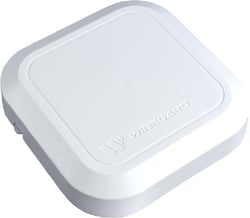

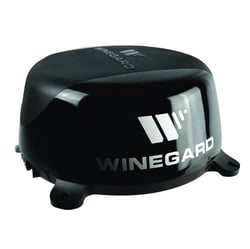
Winegard WF2-95B Connect 2.0 4G2+ RV WiFi Extender 4G LTE Router with Over-the-Air TV Antenna
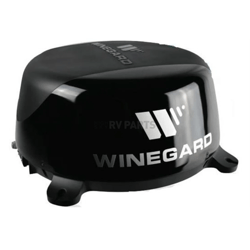
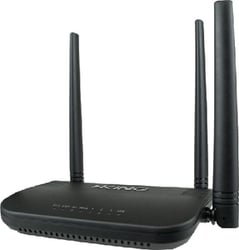

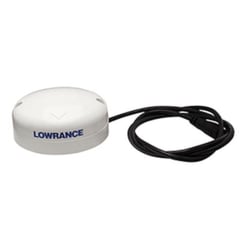
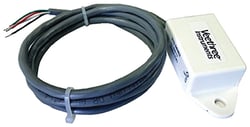
Lowrance 000-11047-002 Point-1 GPS/HDG Antenna Module with Heading Sensor

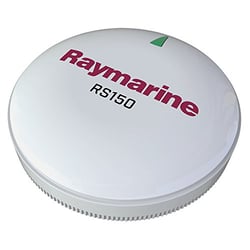
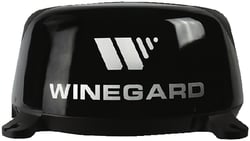
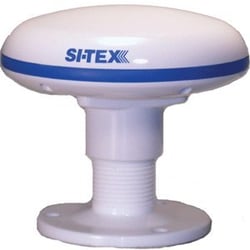

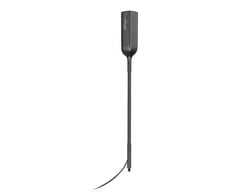
WE BOOST 311248 Overland Antenna Adjustable 7.5" to 20.5" Cellular Signal Booster

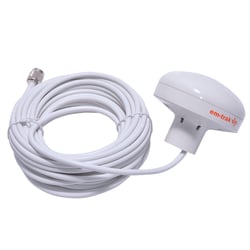
Em-Trak Marine Electronics 304-0055 GPS100 External GPS Antenna for AIS Transceivers

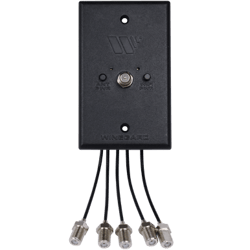


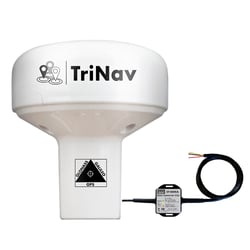
Digital Yacht ZDIGGPS160ST GPS160 TriNav GNSS Sensor with SeaTalk Interface Bundle

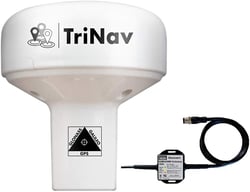
Digital Yacht ZDIGGPS160N2K GPS160 NMEA 2000 GPS Antenna with iKonvert Interface
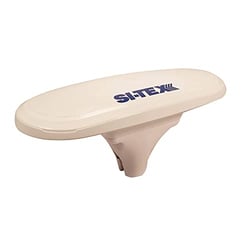

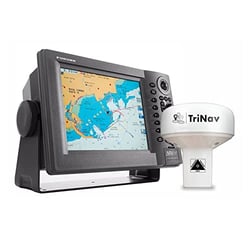
 Representative Photo, actual item may vary

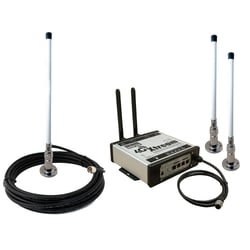
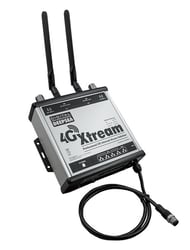
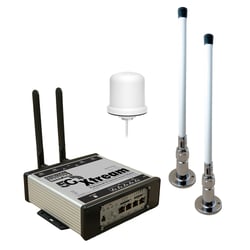
Digital Yacht ZDIG5GX 5G Xtream Marine Internet Router System with 3 Antennas
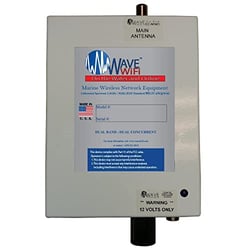

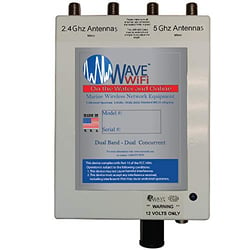
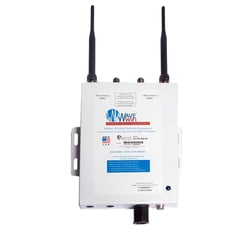
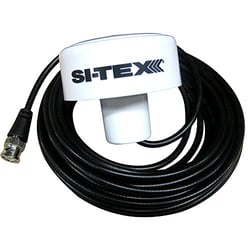
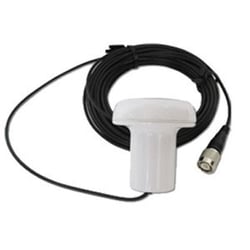






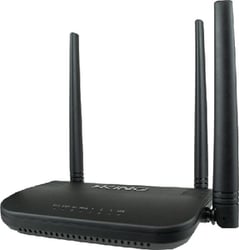
King Controls KF1001 King Falcon Self-Pointing RV WiFi Antenna System with Router Black
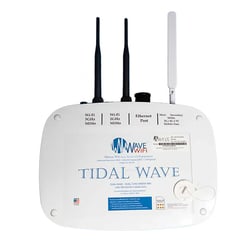
Wave Wi-Fi EC-HP-DB-3G/4G Tidal Wave Dual Band WiFi and Cellular Booster System
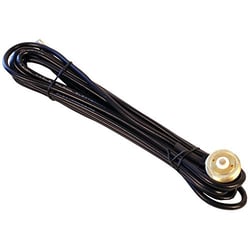
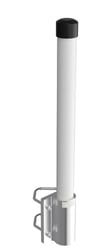

 Representative Photo, actual item may vary
Wave Wi-Fi FREEDOM LTE-A MU-MIMO Marine Cellular & Wi-Fi Dome Antenna 2.4GHz/5GHz
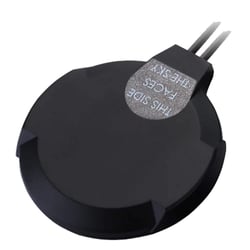
Siren Marine SM-ACC3-RCGA-PUCK Remote Cellular & GPS Antenna Adhesive Mount Puck
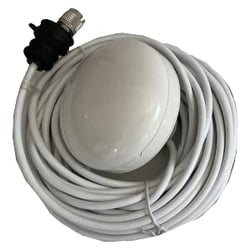
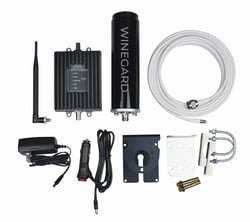
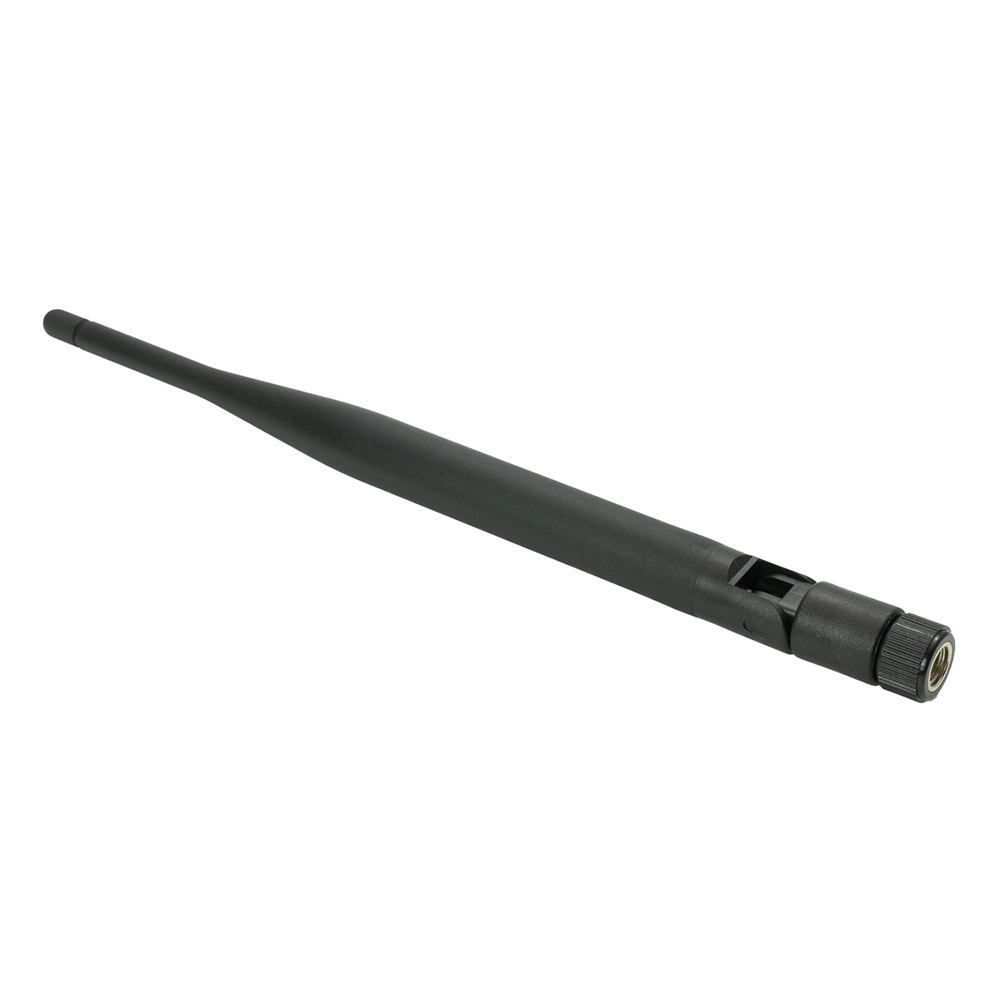 Representative Photo, actual item may vary
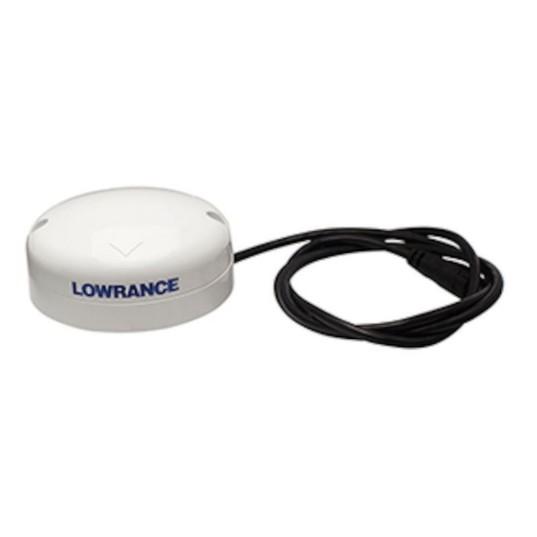 Representative Photo, actual item may vary
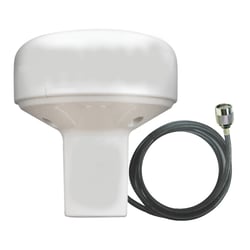
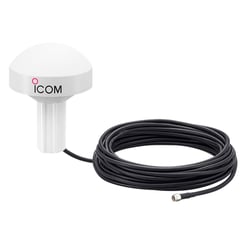

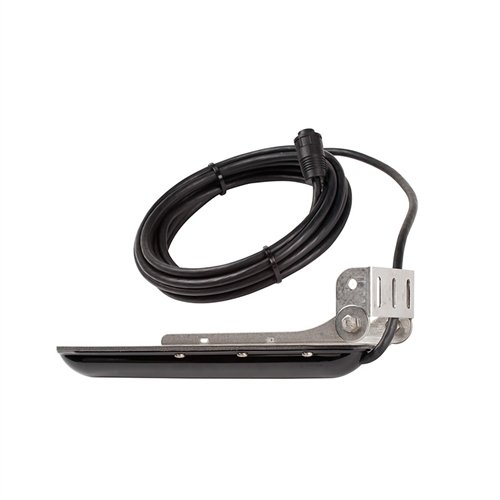 Representative Photo, actual item may vary
 Representative Photo, actual item may vary
Lowrance 000-11048-002 B&G ZG100 GPS Antenna with Integrated Compass Sensor

Stay Connected on the Water and on the Road
Whether you're navigating open water, parked at a remote campground, or cruising down a back highway, reliable signal connectivity can make the difference between a smooth trip and a frustrating one. GPS, cellular, and WiFi antennas are the unsung heroes of the modern RV and marine electronics setup — quietly pulling in satellite positioning data, extending campground WiFi signals, and boosting cellular reception so you can stay in touch, stream, and navigate with confidence.
These antennas aren't all the same. A marine GPS antenna feeding an NMEA 2000 network has very different engineering requirements than a rooftop RV WiFi dome or a cellular signal booster. Understanding the differences — and matching the right product to your application — is key to getting reliable performance in the field.
What to Consider When Shopping GPS, Cellular & WiFi Antennas
- Signal type: GPS antennas focus on satellite positioning accuracy, while cellular antennas amplify carrier signals for voice and data. WiFi antennas extend the range of existing hotspots or campground networks. Many modern units combine two or more of these functions.
- Installation environment: Marine applications demand waterproof, corrosion-resistant housings. RV rooftop units need to withstand highway speeds, UV exposure, and temperature swings. Make sure the product is rated for your environment.
- Network compatibility: Marine GPS receivers often need to integrate with an onboard NMEA 2000 network, feeding data to chart plotters, autopilots, and multifunction displays. Confirm the antenna's protocol before purchasing.
- Antenna gain and directionality: Omnidirectional antennas pick up signals from all directions — convenient but sometimes less powerful. Directional antennas pull in stronger signals from a specific bearing, useful when you need maximum range or cellular reach.
- OEM vs. aftermarket: Some rooftop connectivity systems are designed for factory installation by RV manufacturers, while others are purpose-built for aftermarket upgrades. Check installation requirements before buying.
Top Brands in GPS, Cellular & WiFi Antennas
Winegard Co is the category's dominant force for good reason. Winegard is a respected world leader in the design and manufacture of innovative antenna products for satellite and terrestrial communications, and since its founding, its pioneering solutions have shaped the industry for home, RV, truck, marine, and automotive antennas. Winegard's most deployed product line is the ConnecT rooftop connectivity solution, a dome that combines a rooftop cellular router with WiFi along with associated antennas. The Winegard Gateway 4G LTE Wi-Fi Router provides GPS capability and activates preinstalled 4G LTE and Wi-Fi antennas in compatible systems.
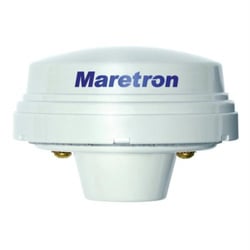
Maretron is the go-to choice for serious marine electronics integrators. Maretron's GPS200 provides reliable position fixes, accurate boat speed data multiple times per second, and the antenna/receiver is a plug-and-play device fully compliant and certified to the NMEA 2000 Standard. It will directly connect to any NMEA 2000 network and communicate with navigational software, chart plotters, autopilots, and dedicated instrument displays, with a compact waterproof housing built for years of reliable performance.
King Controls has been innovating in the RV antenna space for decades. Its owner, Electronic Controlled Systems, Inc., was founded in 1985, and since the late 1990s the company has been developing and manufacturing portable satellite and over-the-air digital antennas for trucks, RVs, and campers — today King is one of the leaders in the market for satellite and WiFi antennas. The company's assortment spans WiFi and LTE products, satellite antennas, over-the-air antennas, and more.
ACDelco brings its trusted OEM-grade engineering pedigree to GPS antenna applications, offering reliable replacement antenna components for vehicles where factory-spec quality and fitment are the priority.
Lowrance is a well-known name in marine electronics, and its GPS antenna offerings are designed to integrate seamlessly with Lowrance chartplotters and fish finders — making them a natural choice for anglers and boaters already invested in the Lowrance ecosystem.