



Holding Tank Monitors
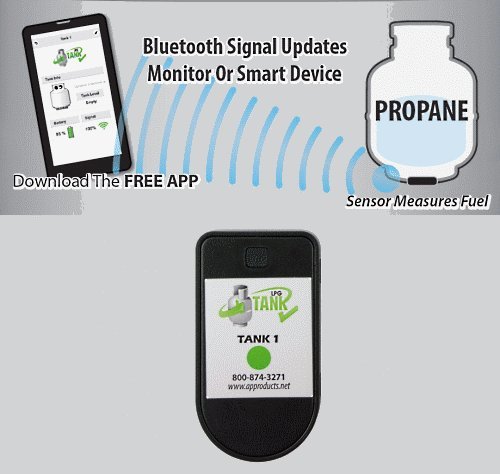 Representative Photo, actual item may vary



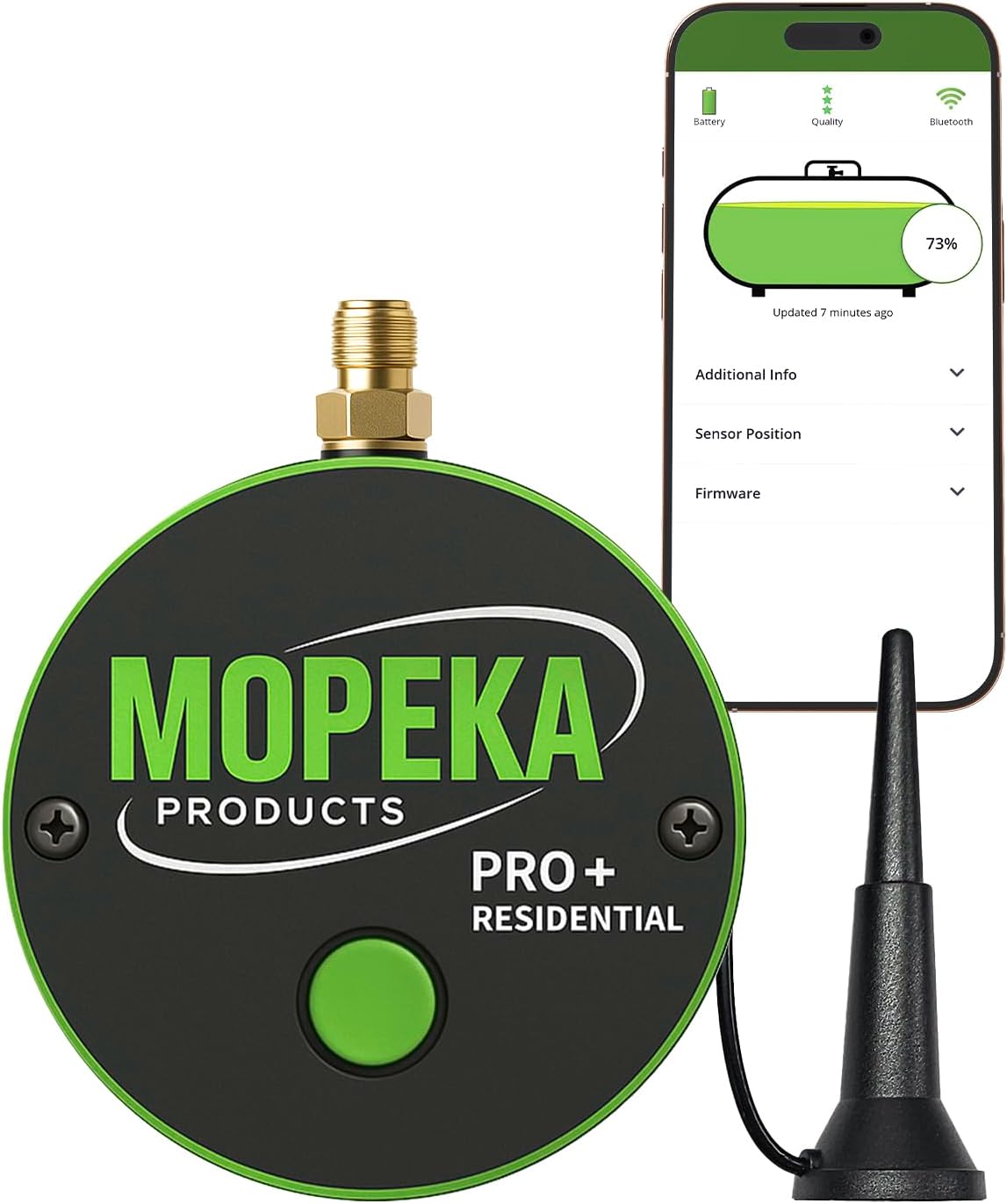 Representative Photo, actual item may vary



 Representative Photo, actual item may vary
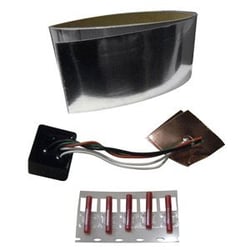
Mopeka M1017023 Pro Check Universal Sensor for Multiple Liquids with Grease & 3 Spacers
 Representative Photo, actual item may vary
 Representative Photo, actual item may vary
 Representative Photo, actual item may vary
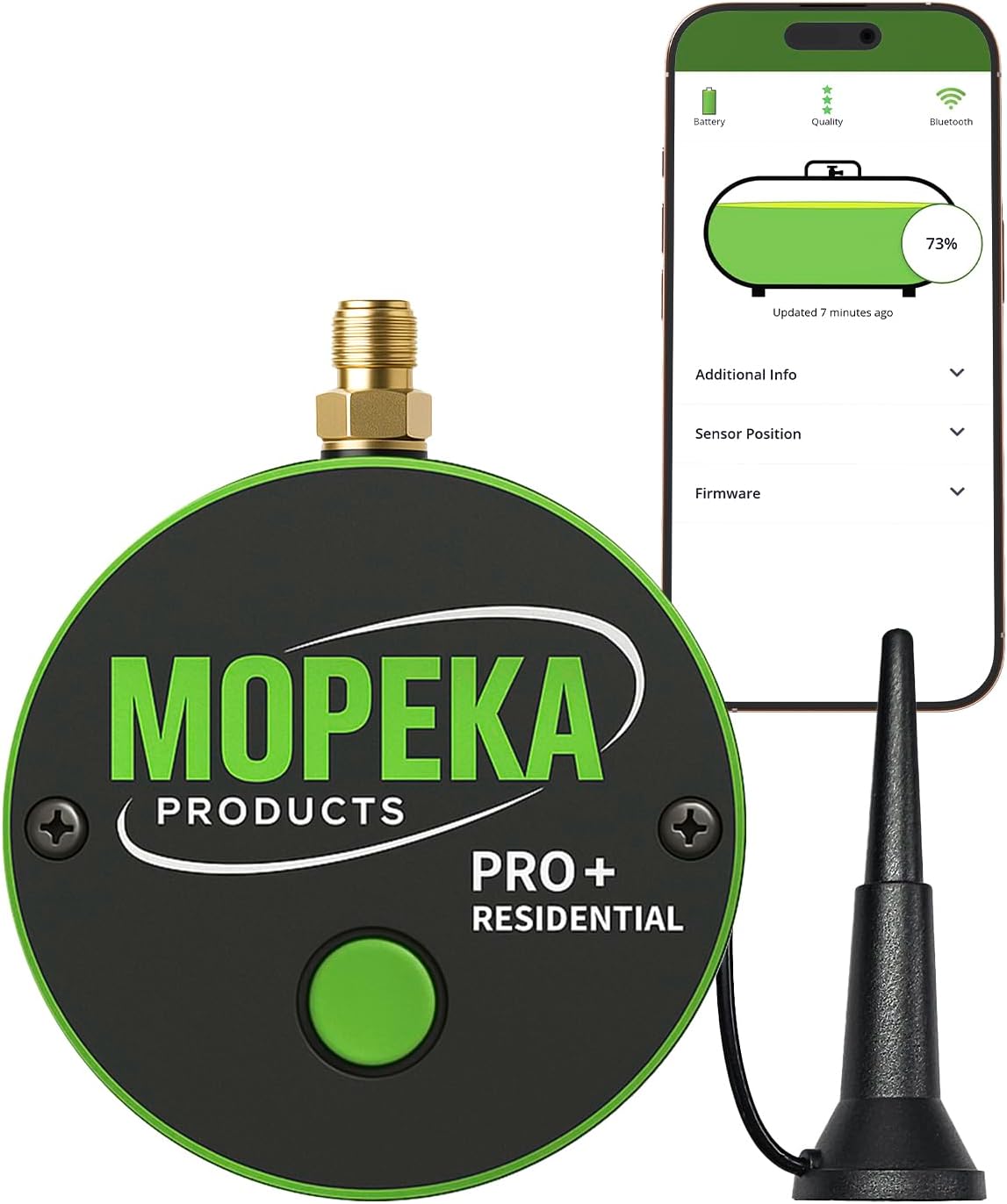
Mopeka M1015001 Pro Plus Residential Cellular LTE Tank Level Monitor for Propane Tanks up to 48"
 Representative Photo, actual item may vary
Mopeka M2006050 Pro200B Bluetooth Tank Level Sensor for Non-Pressurized Fluids
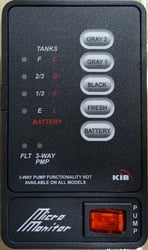
American Technology Components M28VB-OS Vertical Black Tank Monitor Display Panel

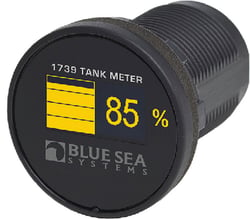

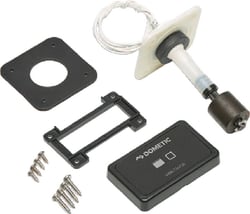
Sealand 9108688891 DTM01 Single-Level Waste Tank Monitor System with Panel and Probe Assembly

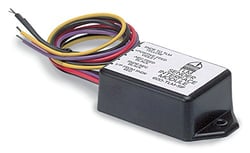

What Are Holding Tank Monitors and Why Do You Need One?
For any boater with an onboard head, a holding tank monitor is not a luxury — it is essential equipment. Federal law mandates that all boats with permanent toilets have either an on-board treatment system or a holding tank to store wastewater. Many states have gone further, designating waterways as No Discharge Zones where overboard release is strictly prohibited. Yet despite this, the vast majority of holding tank installations ship without any level gauge at all, leaving boaters to guess when the tank is nearing capacity — sometimes with messy and costly consequences.
A holding tank monitor solves this problem by giving you a real-time or on-demand readout of how full your waste, gray water, or freshwater tanks are. Systems can monitor multiple tank types: black water (toilet waste), gray water (sinks and showers), and fresh water, keeping the whole onboard plumbing picture in one place. Knowing tank levels is critical not just for comfort, but for safe, compliant cruising.
Internal vs. External Sensors: Which Is Right for Your Boat?
Holding tank sensors fall into two broad categories — internal and external — each with different installation requirements and trade-offs. Internal sensors mount inside the tank through an existing or new hole, while external sensors adhere to the outside of the tank wall and read liquid levels through plastic, polyethylene, or fiberglass without ever contacting the contents.
External sensor kits have grown significantly in popularity because they avoid the fouling, corrosion, and maintenance headaches associated with probes submerged in wastewater. Using capacitance technology, they read liquid levels through tank walls up to 3/8-inch thick on non-metallic tanks, with no drilling required. Internal sensors, meanwhile, can work on metal tanks where external capacitance sensors cannot.
When shopping, consider your tank material, accessibility, and how many tanks you need to monitor. Some systems handle a single tank with a basic full-alert LED, while multi-tank panels can monitor fresh, gray, and black water simultaneously, often with graduated LED displays showing empty, low, mid, and full levels.
Top Holding Tank Monitor Brands
Sealand (part of the Dometic family) is one of the most recognized names in marine sanitation. Their DTM (Dometic Tank Monitor) series continuously monitors holding tank levels and includes options ranging from simple single-level "tank full" alerts to multi-level systems tracking empty, low, mid, and full status. An optional relay can shut off power to the toilet when the tank is full, preventing costly system damage.
Sierra brings its reputation for reliable marine instrumentation to the holding tank category with their TankWatch line. Sierra's float-switch-based systems activate warning lights at key tank levels while keeping all electrical components away from the waste, meaning no messy probes and no contamination risk — a practical, easily installed solution for a wide range of vessel types.
Tech-Edge offers the iSeries tank monitor, a feature-rich system built for boaters who want precise, percentage-based readouts rather than simple quarter-increment indicators. Using external Moda sensors on non-metallic tanks, the iSeries supports calibration in 25% increments to account for irregularly shaped tanks — a common challenge on vessels where tanks are built to fit the hull. The marine version features a silicone-coated circuit board for added protection against the harsh onboard environment.
AP rounds out the category with straightforward, dependable holding tank monitoring solutions suited for boaters who need a no-fuss installation with clear level indication. AP products are a solid choice for retrofitting older vessels that were never equipped with factory tank gauging.
Key Considerations When Shopping for a Holding Tank Monitor
- Tank material: External capacitance sensors work on polyethylene and fiberglass tanks; metal tanks require internal probe-type sensors.
- Tank accessibility: At least one side of the tank must be accessible to mount external sensors.
- Number of tanks: Choose a system that can handle all your onboard tanks — black, gray, and fresh water — from a single panel if possible.
- Display location: Panels can be mounted in the head compartment, galley, or at the helm — wherever makes most sense for your layout.
- Alarm features: Look for systems with audible or visual high-level alarms and, where possible, automatic shutoff relays to protect your sanitation system from overflow damage.