



Humminbird Transducers, Cables & Accessories
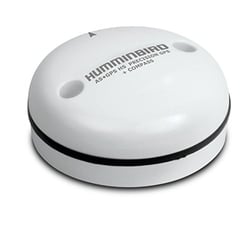

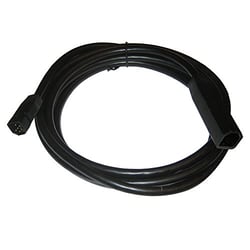
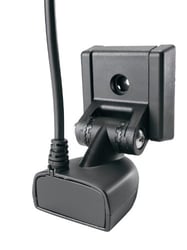
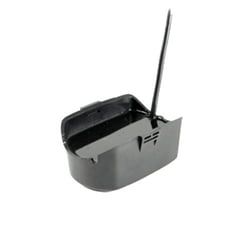
Humminbird 710198-1 XNT 9-20-T Dual Beam Transom Mount Transducer with Temperature Sensor
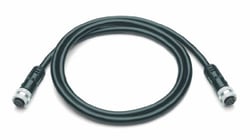
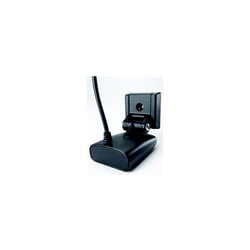
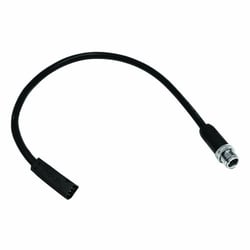
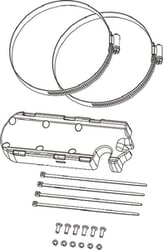
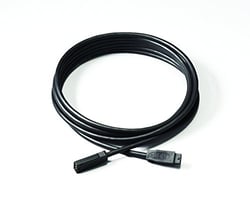
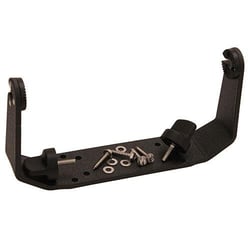
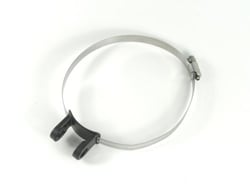
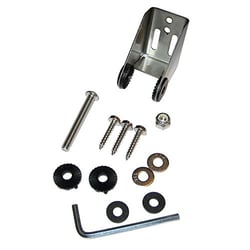
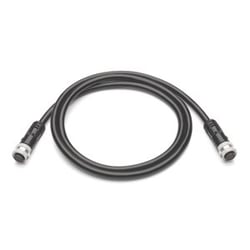
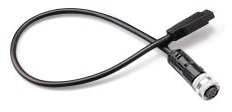
Humminbird 710262-1 XM 9 20 MSI T Transom Mount Transducer for HELIX MEGA Imaging
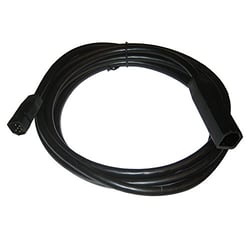
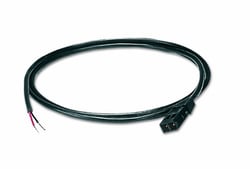
Humminbird 720096-2 EC M30 30ft Shielded Extension Cable for HELIX Fish Finders
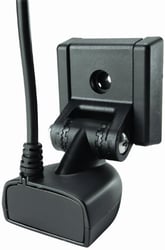
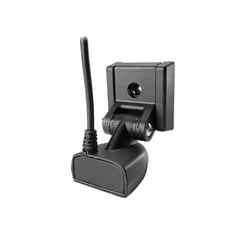
Humminbird 710237-1 XNT 9 DB 74 T Transom Mount Transducer 200/50kHz Dual Beam
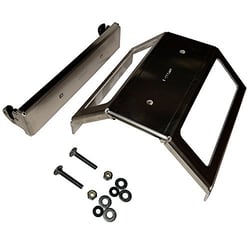
Get More From Your Fish Finder with the Right Transducer
Your fish finder display is only as good as the transducer powering it. The transducer is the heart of any sonar system — it converts electrical pulses into sound waves, sends them into the water, and then receives the returning echoes so your unit can paint a picture of what lies beneath the surface. Without the right transducer properly matched to your display and your fishing style, even the most advanced sonar unit can't deliver the performance it's designed for.
How Transducers Work
Transducers work on the same fundamental principle as submarine sonar: sound waves are projected downward (and in some cases, sideways or forward), and when they bounce off objects — fish, structure, the bottom — the returning echoes are interpreted by your fish finder. Transducers in this category are purpose-built to pair with specific fish finder units, ensuring clean signal transmission and accurate on-screen readings.
Frequency plays a critical role in transducer performance. Higher frequencies, such as 455kHz or 800kHz, deliver sharper image detail and are well-suited for shallow to mid-depth water. Lower frequencies like 50kHz or 83kHz sacrifice some resolution in favor of greater depth penetration, making them the go-to choice for deep-water and offshore fishing. Modern CHIRP technology sweeps a continuous range of frequencies rather than transmitting on a single fixed frequency, resulting in dramatically better target separation and image clarity — allowing you to distinguish individual fish from bottom structure even in challenging conditions.
Mounting Styles: Choosing the Right Fit for Your Boat
One of the most important decisions when selecting a transducer is how it will be mounted on your vessel. There are three primary mounting styles to consider:
- Transom Mount: The most common and easiest to install, transom mount transducers attach to the back of the boat and hang just below the hull. They are ideal for planing hulls under 27 feet and a wide range of freshwater and inshore applications.
- Thru-Hull Mount: Drilled directly through the bottom of the boat, thru-hull transducers offer excellent signal quality and accuracy. They are recommended for displacement hulls and boats with straight-shaft inboard engines, providing a more permanent and performance-oriented installation.
- In-Hull (Shoot-Through) Mount: Installed inside the hull using epoxy, in-hull transducers require no drilling and no external hardware. They are the easiest option to install but may produce slightly reduced sonar performance compared to "wet" mounting methods. The hull must be solid fiberglass for this style to work.
Some transducers are also designed specifically for trolling motor mounting, allowing the sonar element to travel with the motor and maintain a clean, aerated-free signal even when maneuvering at low speeds.
Down Imaging, Side Imaging & 360° Sonar
Beyond traditional single-beam sonar, advanced transducer technologies have transformed modern fishing. Down imaging transducers send a tightly focused beam to produce near-photographic images of structure and fish directly below the boat. Side imaging transducers broadcast to both sides of the vessel, covering vast swaths of water and revealing fish and structure that traditional sonar would miss entirely. The most cutting-edge options offer 360° live sonar views, letting anglers watch fish respond to their lure in real time — a capability that was virtually unthinkable a generation ago.
Cables, Connectors & Accessories
A reliable sonar setup depends just as much on the supporting hardware as the transducer itself. Extension cables allow you to route your transducer cable cleanly through larger boats without signal degradation. Adapter cables ensure compatibility when pairing newer transducers with existing displays or when upgrading components of your sonar system. Mounting hardware and brackets help you achieve optimal transducer angle and alignment — critical factors for consistent, accurate sonar readings. Investing in quality cables and accessories protects your entire electronics ecosystem from corrosion, interference, and premature wear.
Matching the Right Transducer to Your Fishing Style
Selecting the correct transducer starts with understanding where and how you fish. Shallow-water bass anglers have very different needs than offshore trollers or deep-water walleye fishermen. Consider your typical fishing depth, your boat's hull type and size, and the sonar technologies supported by your fish finder display. Proper installation and alignment are equally important — even the finest transducer will underperform if it isn't correctly positioned and secured.