



Impellers
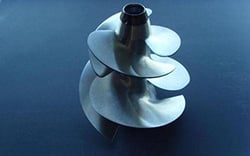

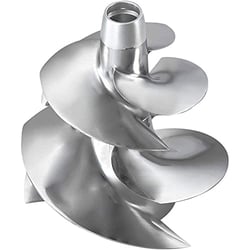
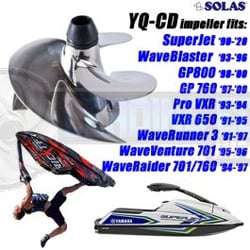
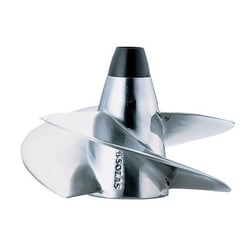
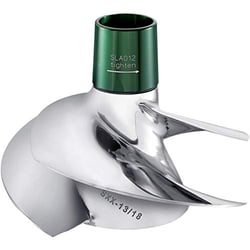
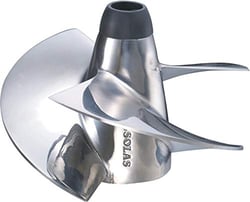
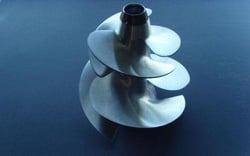
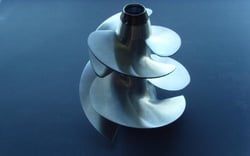
Solas YV-TP-12/20 TP-Series Twin Prop Impeller for Yamaha PWC - 160mm - 12/20 Pitch
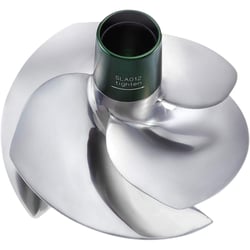
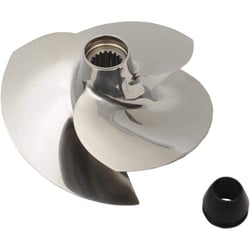
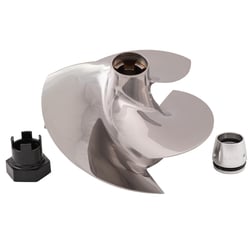
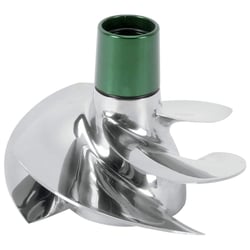
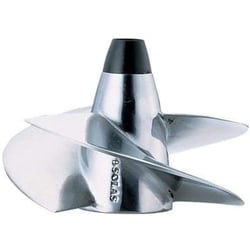
Solas SKCD1214 Concord 3-Blade Stainless Steel Impeller 12/14 Progressive Pitch
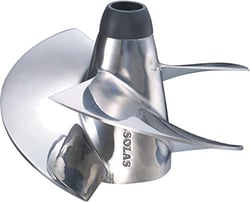
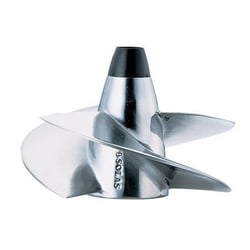
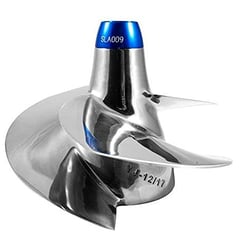
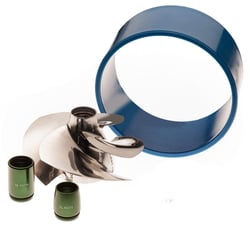
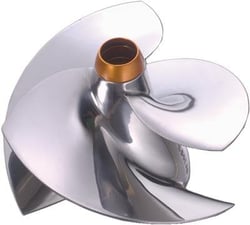
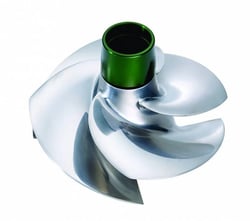
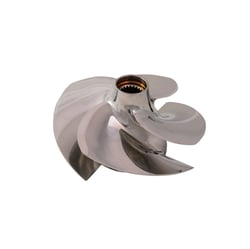
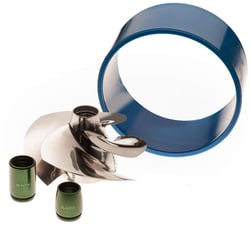
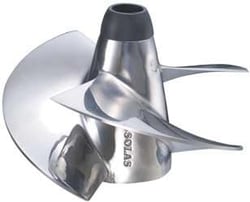
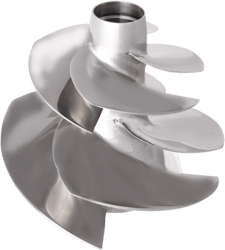
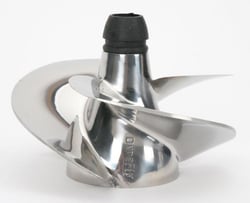
Solas SF-CD 15-23 Concord 3-Blade Stainless Steel Impeller 15/23 Pitch 140mm
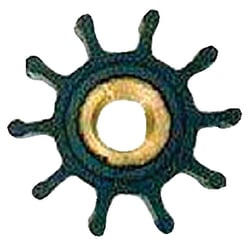
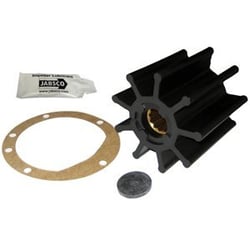

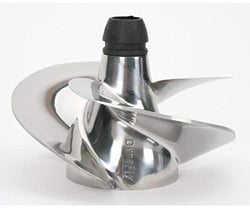
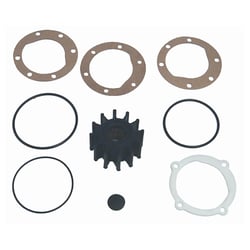
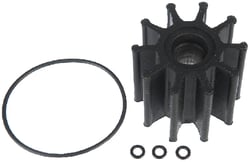

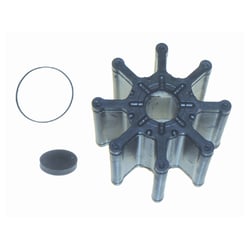
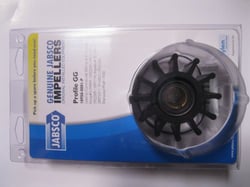


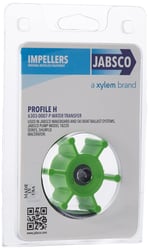
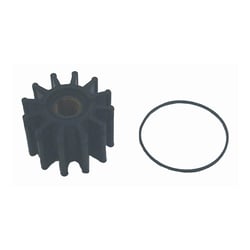
Sierra 18-3061 Neoprene Water Pump Impeller 12-Blade for Volvo Sherwood Crusader
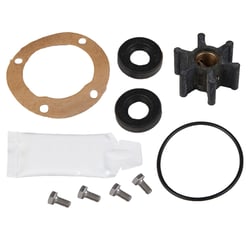
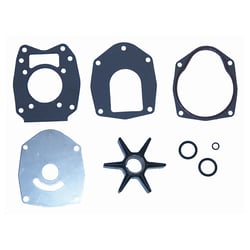
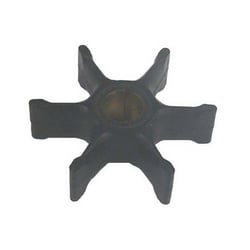
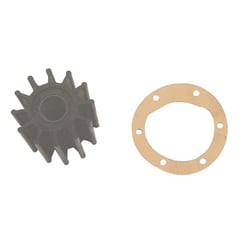
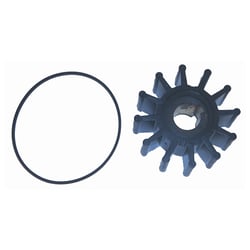
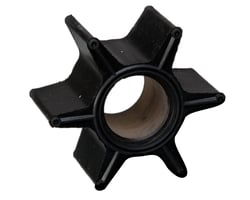
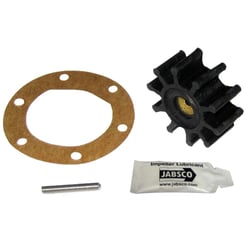
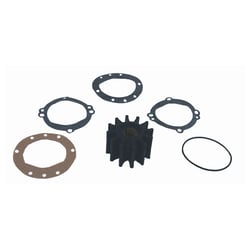
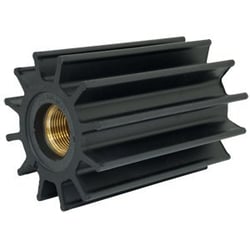
What Is a Marine Impeller and Why Does It Matter?
A boat engine impeller is a flexible rotor — typically rubber or synthetic — that sits inside the water pump housing. As it spins, it creates suction that pulls cooling water into the engine block or heat exchanger. As the engine runs, the impeller draws water from outside the boat and pushes it through the engine's cooling passages, where that water absorbs heat and exits through the exhaust, keeping operating temperatures within a safe range.
If the impeller fails, the pump can't funnel cool water to the marine engine, causing the engine to overheat. If a pump runs dry for even 30 seconds, the friction generates enough heat to melt the rubber. This makes the impeller one of the most consequential — and most frequently overlooked — maintenance items on any watercraft.
Impellers for Personal Watercraft vs. Raw-Water Cooling
Not all impellers serve the same purpose. In personal watercraft (PWC) and jet boats, the impeller is a jet pump propulsion component — it's what actually drives the craft forward by accelerating water through the pump housing. Smaller pitches improve acceleration and reduce top speed, while increasing pitch decreases acceleration but improves top speed. Combining smaller pitch at the leading edge with a larger pitch at the trailing edge — known as Progressive Pitch — allows the impeller to grab water and catapult it back towards the pump, giving you the best of both pitch styles.
In inboard and sterndrive engines, the impeller plays a different but equally vital role as the heart of the raw-water cooling system. Flexible impeller pumps are versatile — they combine the priming feature of positive displacement pumps with the general transfer ability of centrifugal pumps, and can handle both thin and viscous liquids as well as more solids in suspension than other types of rotary pumps.
When Should You Replace a Marine Impeller?
Exposure to heat, friction, dry starts, and long storage periods can cause blades to harden, crack, or lose elasticity. Most manufacturers recommend replacing the impeller annually or every 100 operating hours, whichever occurs first, to reduce the risk of overheating and pump damage.
Common warning signs include rising engine temperature, reduced water discharge from the cooling outlet, abnormal pump noises, or visible cracking and deformation of the impeller blades. It's also worth noting that if the impeller breaks apart, its pieces can plug hoses or cooling passages, leading to restricted water flow and additional cooling problems — so inspection at the first sign of trouble is essential.
What to Look for When Buying an Impeller
- Fitment: Always match the impeller to your exact engine make, model, and year — an incorrect fit can result in reduced performance or premature failure.
- Material: Leading brands in impeller manufacturing use stainless steel, which allows for added strength and less weight than materials such as aluminum.
- Pitch: For PWC applications, pitch selection directly affects acceleration and top-end speed. Consider your riding style and any engine modifications.
- Altitude: Altitude can play a major role in watercraft performance — using an impeller optimized for sea level will restrict the motor at greater altitudes, and vice versa.
Top Brands in Marine Impellers
Solas is the clear leader in this category. Founded by Dr. Solas Y.J. Lin in 1986, Solas is now one of the best-known and trusted names in propellers for outboard/stern drive and impellers for personal watercraft and jet boats, a success due to design excellence and each employee's pursuit of quality in every manufacturing process. The Solas Research and Development Team has elevated Solas to be the world's largest manufacturer of propellers and impellers, incorporating advanced production technology and harsh field-testing into their designs. Their lineup spans everything from the performance-oriented Concord and Dynafly series to workhorse stock-replacement impellers compatible with Sea-Doo, Yamaha, Kawasaki, and more.