



In-line Filters
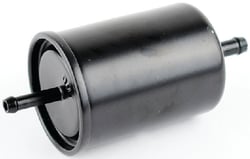

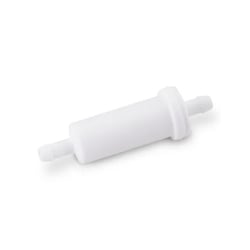

What Are In-Line Fuel Filters?
In-line marine fuel filters are installed directly within the fuel line and provide basic filtration for small debris and contaminants. In both RV and marine applications, these compact yet critical components sit between the fuel tank and the engine, quietly doing the important work of keeping your fuel supply clean before it ever reaches sensitive engine components.
Why In-Line Fuel Filters Matter for RV & Marine Engines
Your engine's fuel filter catches dirt or debris before it can enter the fuel system — some contaminants will simply reduce your fuel economy, while others can permanently damage your engine. Engine injectors are built to very tight tolerances, meaning that even the smallest bit of dirt or grime can clog them. The fuel filter keeps those injectors clean, allowing them to do their job and keep your engine running strong.
In marine environments, the challenge is compounded by water. Ethanol-blended fuels hold more water and can increase the chances of water in fuel tanks, resulting in premature wear, poor performance, and component damage. An in-line fuel filter acts as your first line of defense against these threats, making it an essential part of any boat or RV fuel system.
Choosing the Right In-Line Fuel Filter
Choosing a fuel filter requires knowing your engine's specifications and the conditions in which you'll be operating. The filter should have the appropriate rating for your engine's fuel flow and be capable of filtering out contaminants to the required size.
It's also important to select filters engineered specifically for marine or RV use. Quality in-line filters are manufactured from quality materials to provide efficient filtration without flow restriction — a key consideration, since inadequate fuel flow can be just as problematic as a clogged filter. Always verify that any marine filter you choose meets USCG approval standards for safety on the water.
When to Replace Your In-Line Fuel Filter
Fuel filters should be replaced as part of regular maintenance. For boats, this often means a replacement every season or after a set number of engine hours, as outlined in your engine's maintenance manual. A drop in engine performance, trouble starting, or an increase in fuel consumption can all signal a clogged fuel filter. Regular replacement prevents these issues.
Over time, filters collect all the contaminants they keep out of your fuel system. If you don't replace your fuel filter regularly, it becomes clogged, and contaminants may begin to bypass the filter and enter your fuel system. Staying ahead of this maintenance keeps you safe and your engine performing at its best — whether you're miles offshore or cruising down the highway in your motorhome.
Top Brands for In-Line Fuel Filters
Sierra is a trusted name throughout the marine industry, offering an extensive lineup of in-line fuel filters engineered for a wide range of outboard, inboard, and sterndrive engines. Backed by an industry-leading warranty, Sierra's aftermarket parts meet or exceed OEM standards, and their filters serve as direct replacements for Mercury, Yamaha, Suzuki, and more.