



Launching Wheels & Boat Dollies
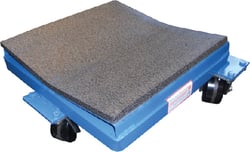

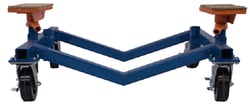

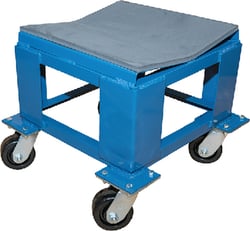
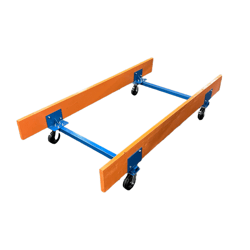
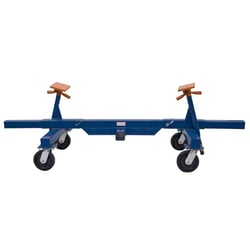
Brownell Boat Stands BD4POLY Bunk Dolly with Polyurethane Wheels 4000 lbs Capacity
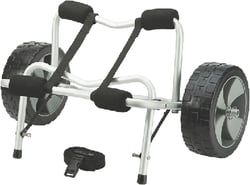

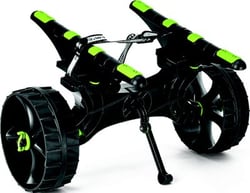

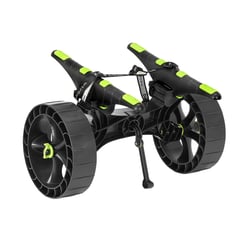
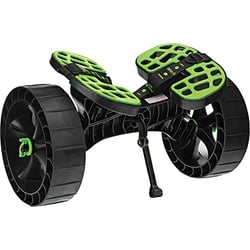
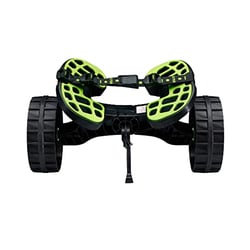
What Are Launching Wheels and Boat Dollies?
Launching wheels and boat dollies are purpose-built wheeled devices that make it possible to move small boats from shore to water without the effort — or the back strain — of dragging a hull across the ground. Launching wheels and boat dollies are far more compact than traditional boat trailers, designed entirely for short-distance, hand-powered transport from a parking area, beach, or storage rack to the water's edge.
These systems are especially popular with owners of inflatable dinghies, rigid inflatable boats (RIBs), small aluminum boats, kayaks, sailing dinghies like Lasers and Optimists, and other lightweight watercraft. Rather than dragging the hull across abrasive sand, gravel, or concrete, a launching dolly or set of transom-mounted wheels lets a single person roll their boat to the water with far less effort — and without risking damage to the hull or keel coating.
Launching Wheels vs. Boat Dollies: What's the Difference?
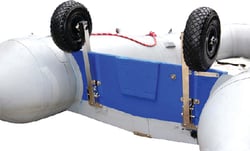
While the terms are often used interchangeably, there are practical distinctions worth understanding. Launching wheels typically mount directly to the boat's transom via aluminum or stainless steel brackets. They fold or retract upward when the boat is underway and can be removed entirely via quick-release pins for storage. Boat dollies, on the other hand, are freestanding wheeled frames — similar in concept to a miniature trailer — that cradle the hull and support the boat's full weight from below. Both types serve the same core function but suit different boat types and launch environments.
Key Buying Considerations
Choosing the right launching wheel or dolly system comes down to a few critical factors:
- Weight Capacity: Match your dolly's rated load to the total weight of your boat fully rigged — including the motor, fuel, gear, and any onboard equipment. Dynamic forces on ramps and uneven ground can spike actual loads well above the static boat weight, so always leave a margin.
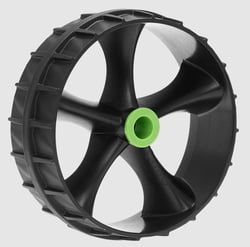
- Wheel Type and Size: Wheel selection is arguably the most important choice. Solid plastic or rubber wheels are durable and maintenance-free on firm surfaces like concrete or asphalt. Pneumatic (air-filled) tires provide superior shock absorption and roll more smoothly over soft sand, gravel, or rocky shores. For beach launches, larger-diameter wheels — typically 12 to 16 inches — handle uneven terrain more effectively than smaller options.
- Frame Material: Most quality launching wheels and dollies are constructed from marine-grade anodized aluminum or stainless steel. Aluminum is lightweight and naturally corrosion-resistant, making it ideal for saltwater environments. If stainless steel hardware is present, look for 316 marine-grade steel, which holds up far better in salt air than lower-grade alloys.
- Adjustability: Look for systems with adjustable arm lengths, angles, and cradle positions. An adjustable frame lets you dial in the axle position to sit directly under the boat's center of gravity — especially important for RIBs and motorized tenders where a heavy outboard shifts the balance point toward the stern.
- Removability and Storage: Some systems use quick-release pins or retractable mechanisms that allow wheels to be locked upward while the boat is in the water, then fully removed for compact storage. Freestanding dollies often fold or disassemble for transport in a vehicle or tight storage spaces.
- Hull Protection: Look for carpeted bunks, EVA foam padding, or rubber cradles that protect your hull's finish during transport. Hard contact points can cause abrasion over time, particularly on painted or Hypalon surfaces.
Who Needs a Boat Launching Dolly?
Any boater who stores their vessel away from the water — at a beach club rack, a lakeside storage area, or even a home driveway — stands to benefit enormously from a launching dolly or set of transom wheels. For solo boaters especially, these systems transform what would otherwise be a two-person job into a manageable one-person operation. Whether you're launching from a sandy beach, a paved boat ramp, or a rocky shoreline, the right dolly makes every trip to the water smoother, safer, and far less physically demanding.