



Lightsticks & Non-Coast Guard Approved Distress Signals
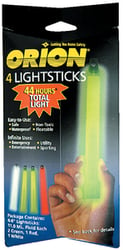

Understanding Lightsticks & Non-Coast Guard Approved Distress Signals
When it comes to on-water safety and survival preparedness, not every signaling tool is created equal — and not every tool needs to be. Lightsticks and other non-Coast Guard approved distress signals occupy an important niche in the marine and outdoor safety world: they serve as versatile, supplemental signaling tools that complement your primary, regulation-required gear. Knowing the difference between approved and non-approved signals — and understanding the role each plays — can make a meaningful difference in an emergency.
What Are Non-Coast Guard Approved Distress Signals?
Boaters use visual distress signals to attract attention in an emergency, either in the daytime or at night. The U.S. Coast Guard mandates specific types of approved signals for federally regulated waters, but many useful signaling tools fall outside that regulatory framework. Dye markers and signal mirrors, though useful to attract attention and often carried by boaters, are not Coast Guard approved. Lightsticks fall into this same category — practical, non-pyrotechnic tools that are valued for their reliability and versatility, even though they do not satisfy USCG Visual Distress Signal (VDS) carriage requirements on their own.
Lightsticks are a non-toxic, waterproof, dependable light source, typically available in multi-color packs including green, red, and white, with illumination life ranging from 8 to 12 hours depending on color. That extended burn time makes them genuinely useful for marking locations, illuminating cockpits or life rafts, signaling nearby rescuers, or serving as backup lighting when batteries fail.
Important Regulatory Context
Federal regulations require that all pyrotechnic distress signals be Coast Guard approved, in good condition, unexpired, and readily accessible in case of an emergency. Lightsticks and other non-approved signals should always be carried in addition to — not as a replacement for — your required USCG-approved VDS kit. In a real emergency, you'll be glad if you chose to carry more than the regulatory minimum quantity. Think of non-approved signals as part of a layered safety strategy: the more signaling options at your disposal, the better your chances of being seen and rescued.
Non-pyrotechnic tools like lightsticks offer several advantages over pyrotechnic counterparts, including increased reliability, longer shelf life, and reduced environmental impact. They require no ignition source, produce no smoke or flame hazard, and are safe to handle in confined spaces like below-deck cabins or life rafts.
Who Needs These Products?
These products are relevant far beyond the boating world. Campers, hikers, search-and-rescue teams, emergency preparedness kits, and roadside safety bags all benefit from the compact, dependable glow of a quality lightstick. They're also popular in motorsports and off-road activities where marking a disabled vehicle in low-light conditions can be critical.
Top Brands
Orion Safety Products has grown to become the world's leading manufacturer and distributor of highway, railway, and marine flares, as well as a supplier of a wide selection of related safety products ranging from sound signals and lightsticks to first aid kits. With nearly a century of manufacturing experience under various brand names , Orion's lightsticks and non-approved distress signals carry the engineering heritage and quality assurance of a brand trusted by law enforcement, emergency responders, and everyday boaters alike.