



Lumber/Polymer
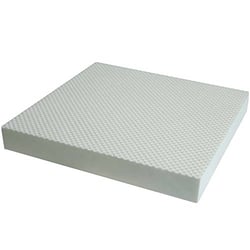

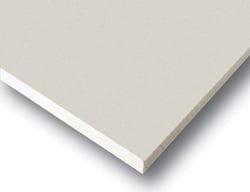
 Representative Photo, actual item may vary

 Representative Photo, actual item may vary
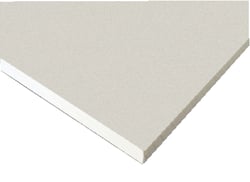
 Representative Photo, actual item may vary
King Plastic StarBoard HDPE Marine Sheet

Taco Metals P10-5012SFM27-1 King StarBoard Marine Lumber Sheet 12" x 27" x 1/2" Seafoam HDPE
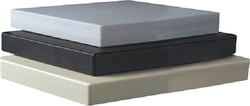
Taco Metals P10-2512WHA12-1 White Starboard Marine Polymer Sheet 1/4" x 12" x 12"
Taco Metals P10-5012WHA27-1 White HDPE Starboard Sheet 1/2" x 12" x 27"
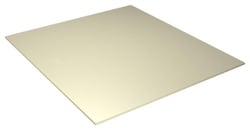

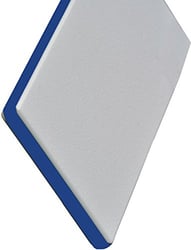
Taco Metals P162512WBLW271 Marine Lumber Board 12" x 27" x 1/4" White/Blue/White
 Representative Photo, actual item may vary
King Plastic KSBSEFMAO.75024.054.00 StarBoard AS Dot Anti-Skid Marine HDPE Sheet 3/4" x 24" x 54" Seafoam
 Representative Photo, actual item may vary
King Plastic KSLUTGYMT.50024.060.00 StarLite XL 24x60 1/2in Utility Gray Marine HDPE Sheet
 Representative Photo, actual item may vary
King Plastic KSBSEFMMM.50024.054.00 King StarBoard 1/2in x 24in x 54in Seafoam Marine HDPE Sheet
What Is Lumber/Polymer and Why Does It Matter?
Whether you're repairing a boat dock, refreshing a waterfront deck, or tackling a structural outdoor project, the material you choose makes all the difference. The Lumber/Polymer category covers a range of building and maintenance materials — from traditional treated wood and marine-grade plywood to modern polymer and composite lumber — all designed to hold up in the demanding conditions that standard construction materials simply can't handle.
The Problem with Traditional Wood in Harsh Environments
Natural wood has long been the default choice for docks, piers, and outdoor structures, but it comes with serious drawbacks in marine and high-moisture settings. Wood absorbs water, leading to rot, splintering, and structural failure over time. Even pressure-treated lumber — which is chemically infused to resist decay — requires ongoing sealing, staining, and board replacement to maintain its integrity. In saltwater environments, these issues are compounded significantly, and the chemicals used in pressure treatment can leach into surrounding soil and water, raising environmental concerns.
Polymer Lumber: The Modern Alternative
Polymer lumber — often made from high-density polyethylene (HDPE) or wood-plastic composites (WPC) — has emerged as the go-to solution for applications where traditional wood falls short. These materials are engineered to resist the full range of outdoor hazards: water and moisture, UV exposure, harsh weather, saltwater, mold, mildew, and insect damage. Unlike wood, polymer lumber does not absorb water, meaning it will never rot, swell, warp, or splinter regardless of the conditions it faces.
One of the greatest practical advantages of polymer lumber is its near-zero maintenance requirement. There's no need for chemical sealants, stains, or annual treatments — an occasional rinse is typically all that's needed to keep these materials looking and performing their best. This makes polymer lumber particularly well-suited for docks, piers, boardwalks, ladders, swimming platforms, and other structures where access for routine maintenance is limited.
Wood-Plastic Composites (WPC): The Best of Both Worlds
Wood-plastic composites blend wood fiber or wood flour with thermoplastic resins such as polyethylene, polypropylene, or PVC. These materials offer good workability — they can be cut and shaped with conventional woodworking tools — while delivering far better resistance to rot, decay, and marine borer attack than solid lumber. WPCs are also often manufactured from recycled plastics and wood industry byproducts, making them a more sustainable option for environmentally conscious builders.
Key Considerations When Shopping Lumber/Polymer Products
- Application environment: Freshwater, saltwater, and above-ground outdoor settings each place different demands on materials. Look for products rated for your specific environment.
- Load-bearing requirements: Some polymer and composite products are designed specifically for structural use, with added fiberglass reinforcement for increased strength-to-weight ratio.
- Workability: Many polymer lumber products can be cut, drilled, and fastened just like traditional wood, making them accessible to DIYers and professionals alike.
- UV stability: Quality polymer lumber products are UV-stabilized to resist fading and surface degradation from prolonged sun exposure.
- Eco-friendliness: Many products in this category are manufactured from recycled plastics, diverting waste from landfills and oceans while delivering long-lasting performance.
Whether you're building new or performing essential maintenance on an existing structure, choosing the right lumber or polymer product is a long-term investment in durability, safety, and reduced upkeep costs.