



Propellers
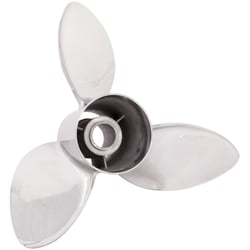

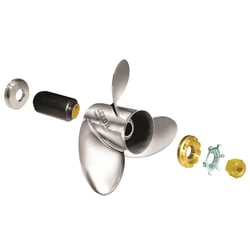
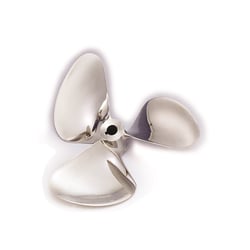
Solas A002-130-13 Stainless Steel Propeller 13x13 Left Hand 3-Blade 1" Bore
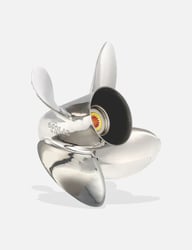
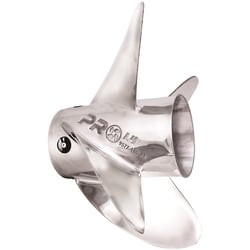
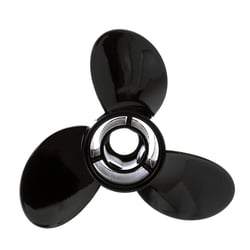

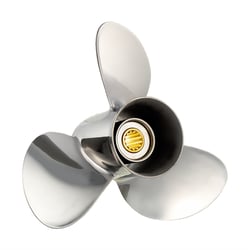
Solas 9553-143-17 Rubex HR4 Stainless Steel 4-Blade Propeller 14.25 x 17 RH
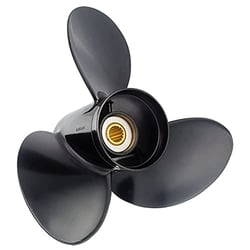
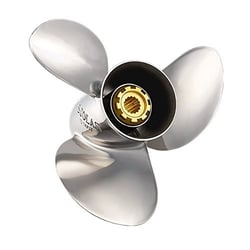
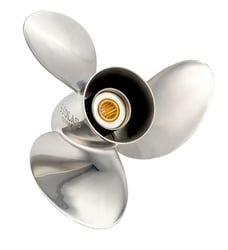
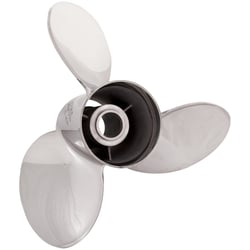
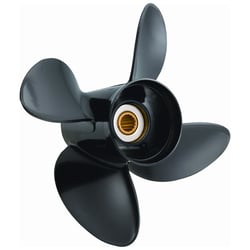
Solas 3413-138-17 Amita 4 Aluminum 4-Blade Propeller 13.8" x 17 Pitch Johnson/Evinrude
Solas 9573-153-18 Rubex L4 Stainless Steel 4-Blade Propeller 15-1/4" x 18" RH
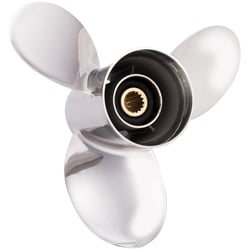
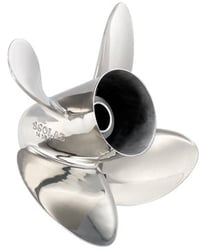
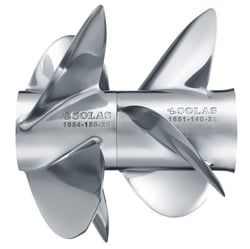
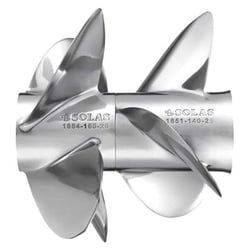
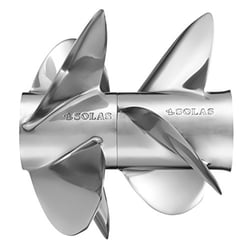
Solas 1654-158-22 Stainless Steel Front Propeller for Mercruiser Bravo Three 15.75" x 22" Pitch
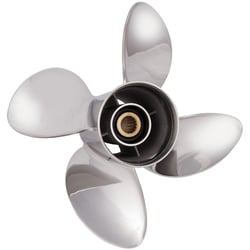
Solas 3553-143-17 Stainless Steel Propeller for Yamaha V6 Outboards 14.3" Diameter 17 Pitch
Solas 9571-153-19 Rubex L3 Stainless Steel 3-Blade Propeller 15.25" x 19" RH
Solas 9531-143-17 Rubex NS3 Stainless Steel 3-Blade Propeller 14.25 x 17 RH
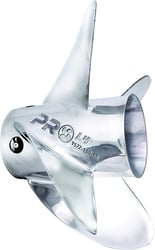
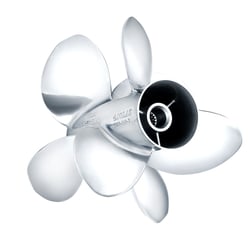
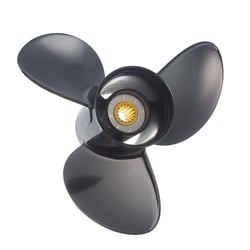
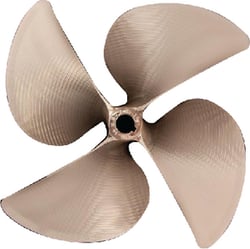

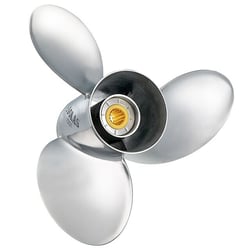
Solas 4571-160-17 Lexor 3 Plus Stainless Steel Propeller for Suzuki 16 x 17 RH
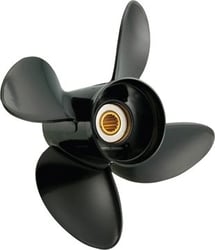
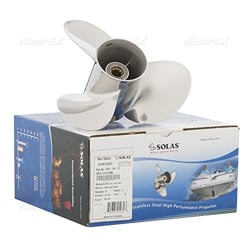
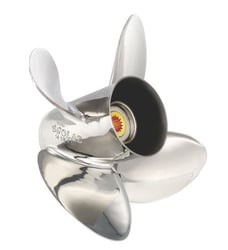
Solas 3331-111-14 Aluminum Propeller for Yamaha/Honda Pitch Propellers - 40-60HP 14
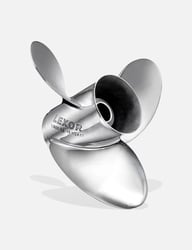
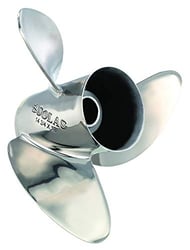
Solas 9551-148-16 Rubex HR3 Stainless Steel 3-Blade Propeller RH 14.5 x 16
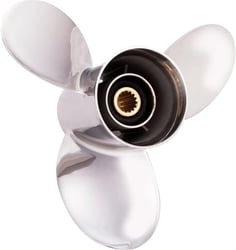
Solas 9571-158-21 Rubex L3 Plus 15.75 x 21 Stainless Steel 3-Blade Propeller
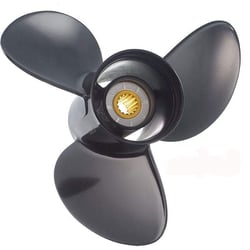
Solas 1611-183-19 Amita 3 Aluminum Propeller 18.25 x 19 Pitch Right Hand Rotation for MerCruiser Bravo II
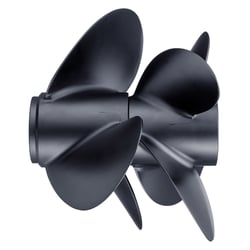
Solas 8512-153-21 Aluminum Duo Prop Front Propeller 15.3" x 21" Pitch for Volvo Penta
Solas 9571-160-19 Rubex L3 Plus Stainless Steel 3-Blade Propeller 16" Diameter 19° Pitch
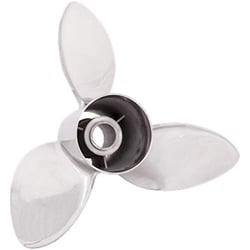
Solas 9561-151-28 Rubex S3 Stainless Steel 3-Blade Propeller 15-1/8" x 28" RH
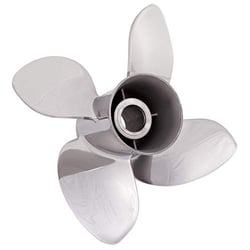
Solas 9553-145-15 Rubex HR4 Stainless Steel 4-Blade Propeller RH 14.5 x 15
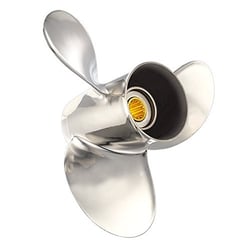
Solas 3311-116-11 Amita 3 Aluminum 3-Blade Propeller for Yamaha 11.6" x 11" Pitch
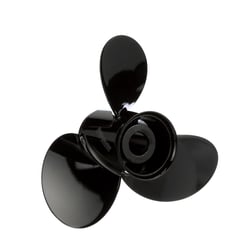
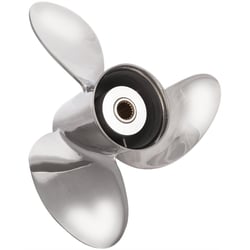
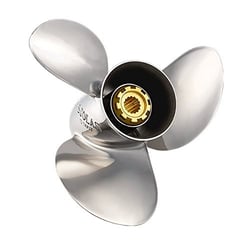
Solas 9551-148-17 Rubex HR3 Stainless Steel 3-Blade Propeller 14.75 x 17 RH
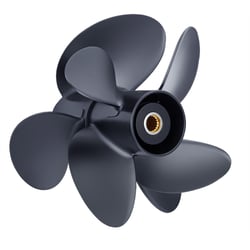
Solas 8513-138-21 Aluminum Rear Propeller 13.75" x 21" 4-Blade for Volvo Penta Duo Prop
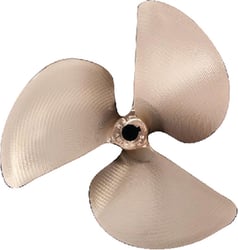
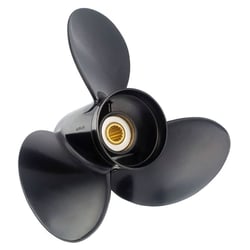
Solas 3411-139-17 Amita 3 Aluminum 3-Blade Propeller for Suzuki 13.875" x 17" Pitch
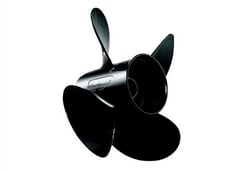

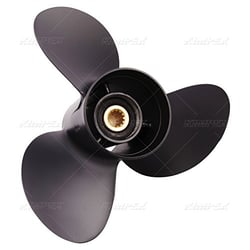
Solas 9333-115-12 Rubex C4 Stainless Steel Propeller 4-Blade 11.5" x 12" RH
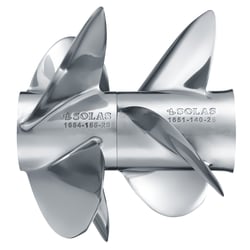
Solas 1654-155-26 Dual Front Propeller for Mercruiser Bravo Three, Stainless Steel
The propeller is the component that turns engine power into forward motion on the water. Its blades work like rotating wings, pushing water backward to move the boat forward. Because the prop is the final link between your engine and the water, its design affects acceleration, top speed, fuel economy, handling and engine longevity. A propeller that doesn't match your boat and motor can leave the engine over-revving or lugging, wasting fuel and shortening engine life.
Key Considerations When Choosing a Propeller
Propeller specifications are built around a few core variables:
- Diameter and pitch: Diameter is the width of the circle the blades sweep. Pitch is the theoretical distance the prop advances in one revolution. Lower pitch generally favors acceleration and hauling heavy loads, while higher pitch favors top-end speed.
- Blade count: Three-blade props are popular for speed and efficiency. Four-blade designs often improve hole shot, grip in turns and ride at lower speeds.
- Material: Aluminum is lightweight, economical and forgiving in a strike. Stainless steel allows thinner, more rigid blades that hold their shape under load and often deliver better performance and durability.
- Rotation and hub system: Right-hand rotation is standard for most single-engine setups. Many props use interchangeable hub kits that absorb shift shock and let you swap a prop housing without replacing the whole assembly.
- Engine and gearcase fitment: Spline count, gearcase size and engine horsepower all determine which props will fit your outboard or sterndrive.
A good rule of thumb is to choose a propeller that lets the engine reach the middle-to-upper end of its recommended wide-open-throttle RPM range at full load. Check your engine's specifications before you buy.
Top Propeller Brands
Solas was founded in Taiwan in the mid-1980s and is known for outboard and sterndrive propellers in both stainless steel and aluminum. The company emphasizes in-house research and development, and its lineup includes well-known series such as Titan, Rubex and Saturn, making it a deep resource for many engine applications.
Turning Point Propellers offers Hustler aluminum and Express stainless-steel propellers, along with its MasterGuard hub kits. Its 500 and 700 series hub kits are designed to interchange with other manufacturers' prop housings, upgrading systems such as Mercury Flo-Torq II, Michigan Wheel XHS and Solas Rubex.
Michigan Wheel is a long-established American propeller name, and its interchangeable-hub systems, including the XHS line, are widely recognized across the boating world. Its props are a common choice for owners who want proven fitment across a range of outboards and sterndrives.
Quicksilver is the genuine-parts brand associated with Mercury and MerCruiser engines. Its propellers, such as the Nemesis four-blade aluminum design, and its Flo-Torq hub kits are matched to those powerplants as well as to a range of other outboards.
Acme Automotive rounds out the selection with a small number of options for owners looking for additional fitment choices.
Maintenance Matters
Inspect your propeller regularly for nicks, bent blades, fishing line wrapped around the shaft and a worn or spun hub. Even minor damage can cause vibration, cavitation and lost performance, and can stress the gearcase over time. Keeping a spare prop and the correct hub kit on board is a practical precaution for any boater.