



Mooring Hooks
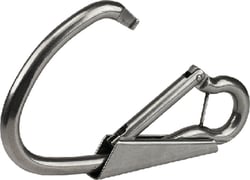

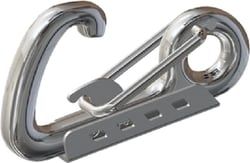
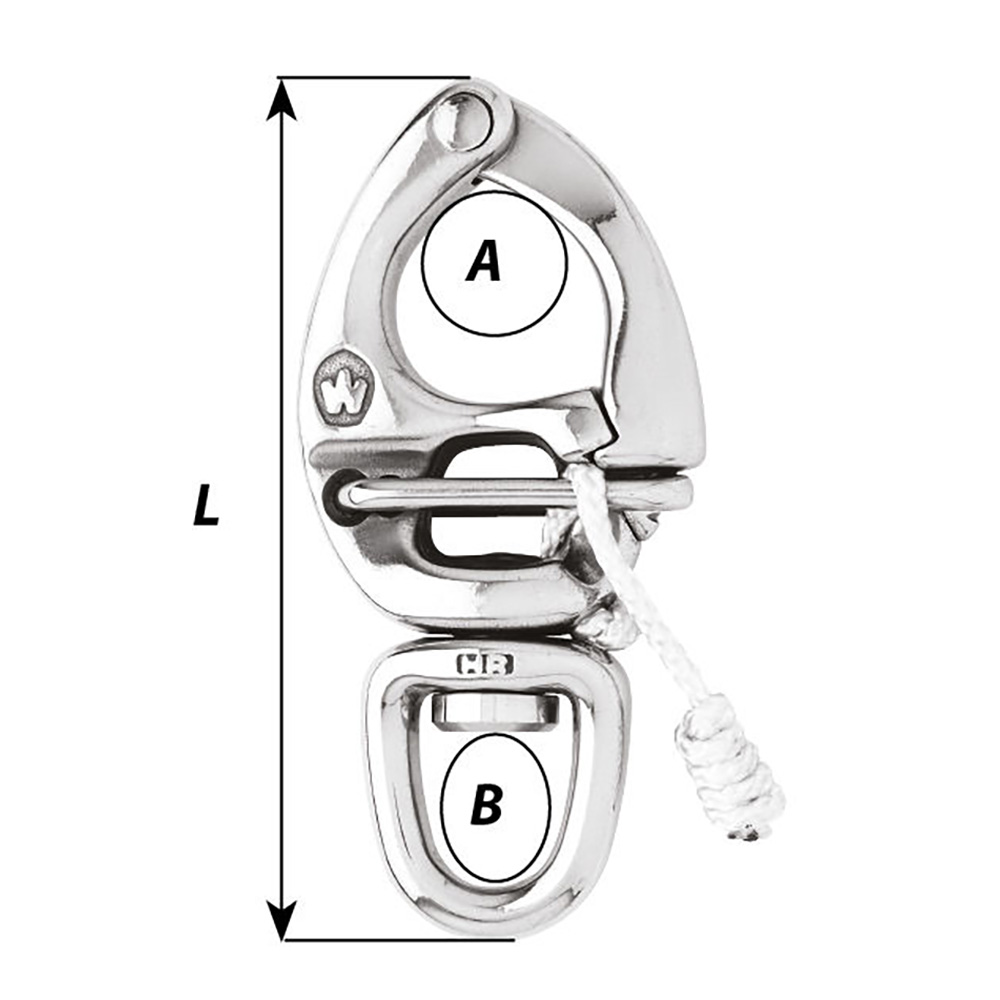 Representative Photo, actual item may vary

What Are Mooring Hooks?
Mooring hooks are specialized marine hardware designed to quickly and securely attach a vessel's mooring line to a buoy ring, dock cleat, piling, or other fixed point. Where a simple knot or cleat hitch requires two hands and valuable seconds, a mooring hook allows a single crew member to make a fast, reliable connection — even from a boat with high freeboard or limited deck crew. They are a fundamental piece of anchoring and docking gear for boaters who value safety, efficiency, and ease of handling during every docking maneuver.
How Mooring Hooks Work
Mooring hooks function as the critical link between your vessel's mooring line and the fixed structure you are tying off to. In a typical setup, the hook is pre-attached to the eye or end of a dock line or pendant. As the boat approaches a buoy, cleat, or mooring ring, a crew member extends the hook — often via a boat hook pole — and latches it onto the target in a single motion. Many designs incorporate a spring-loaded or locking safety latch that snaps shut automatically on contact, keeping the line from accidentally releasing under load or surge. This is a meaningful safety advantage in situations where mooring lines must remain taut against wind, current, or boat movement.
Quick-release mooring hooks take this concept further. Rather than requiring manual untying of heavy, wet ropes, quick-release designs allow a controlled single action to free the line — a critical feature in busy marina environments or any situation where a fast departure is necessary. The mechanism lets the line release cleanly even when it is under tension, eliminating the dangerous struggle of untying a loaded line at the dock.
Types of Mooring Hooks
Boaters will encounter several common styles when shopping for mooring hooks, each suited to different use cases:
- Snap or carabiner-style hooks: Feature a spring-loaded gate that opens to accept a ring or eye and closes securely. Often made from marine-grade stainless steel for corrosion resistance in saltwater environments.
- G-hooks and grab hooks: A G-shaped design that allows mooring lines to be picked up, guided, and secured with minimal friction — especially useful in strong crosswinds where quick maneuvering is essential.
- Quick-release hooks: Engineered for controlled, load-bearing release with a single lever or trigger action. Popular on commercial docks, offshore platforms, and marinas where fast vessel turnaround matters.
- Boat hook attachment hooks: Designed to mount to the end of a standard boat hook pole, extending your reach to grab distant buoy rings or dock lines without leaning dangerously over the gunwale.
Key Considerations When Choosing a Mooring Hook
Selecting the right mooring hook comes down to a few practical factors. Material is paramount in marine use — look for marine-grade stainless steel (AISI 316) or high-strength aluminum bronze that resists the constant assault of salt spray, UV exposure, and moisture. Load rating is equally important: make sure the hook's safe working load exceeds the expected line tension for your vessel size and typical conditions. A hook sized for a small dinghy is not appropriate for a 40-foot cruising sailboat.
Latch design also matters. A hook without a locking safety catch can pop free in rough water or during a hard surge. Look for mechanisms that stay positively closed under load but can still be released quickly and deliberately. Finally, consider compatibility with your existing gear — whether the hook splices directly onto your dock line, attaches to a boat hook pole, or clips into a carabiner-style fitting on your bow cleat.
Why Mooring Hooks Matter for Every Boater
Whether you are picking up a mooring ball in a crowded harbor, tying off to a marina cleat, or securing your boat in a surge-prone tidal berth, a quality mooring hook makes the process faster, safer, and less physically demanding. It reduces the need for crew to handle heavy ropes from awkward positions, lowers the risk of hand injuries from fouled or barnacle-covered lines, and gives even short-handed crews the ability to complete a clean mooring maneuver with confidence. Investing in the right mooring hook is a small decision that pays dividends every time you come into dock.