



Motor Mounts
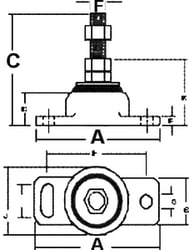

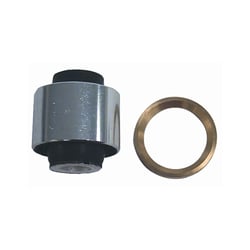
Sierra 18-2193 Rear Engine Mount for MerCruiser Alpha Bravo Drives Motor Mounts

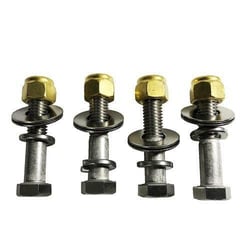
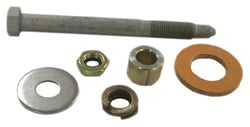
Bob's Machine 110-100001 Jack Plate to Motor Bolt Kit 2.5 Inch Stainless Steel



 Representative Photo, actual item may vary



What Are Marine Motor Mounts?
Marine motor mounts are the critical interface between a boat's engine and its hull or stringers. Their job is deceptively simple but vitally important: they secure the engine in place, absorb vibration, and isolate the mechanical noise generated by the powerplant so it doesn't travel through the hull structure. Without properly functioning motor mounts, an engine can shift under load, transmit excessive vibration to passengers, and accelerate wear on connected components like the drivetrain, exhaust system, and fuel lines.
Why Motor Mounts Matter on the Water
Unlike automotive applications, marine motor mounts operate in a uniquely demanding environment. Constant exposure to moisture, salt, bilge water, and fuel vapors can degrade the rubber or elastomeric elements inside a mount far faster than comparable land-based applications. A mount that has deteriorated beyond its service life can allow the engine to shift position, throwing off shaft alignment and causing accelerated wear on the transmission coupler, shaft log, and cutlass bearing. In severe cases, a failed mount can allow enough engine movement to stress coolant hoses and exhaust connections — creating real safety hazards on the water.
For inboard and sterndrive boats alike, periodic inspection of motor mounts is a routine part of responsible ownership. Signs of a failing mount include excessive vibration at the helm, visible cracking or oil contamination on the rubber element, and misalignment of the propeller shaft. Replacing worn mounts proactively is far less costly than repairing the downstream damage a failed mount can cause.
What to Look for When Shopping Motor Mounts
- Engine compatibility: Motor mounts are highly application-specific. Always confirm the mount matches your engine make, model, and mounting configuration before purchasing.
- Material durability: Look for mounts with corrosion-resistant hardware and marine-grade rubber or polyurethane isolation elements designed to resist the harsh bilge environment.
- Load rating: Heavier engines require mounts rated for higher loads. Using an under-rated mount can accelerate failure and compromise shaft alignment.
- Height adjustability: Many marine mounts feature threaded studs that allow fine-tuning of engine height for precise shaft alignment during installation.
- OEM vs. aftermarket fit: Some applications call for exact OEM-specification replacement parts, while others can accept high-quality aftermarket units. Verify fitment carefully either way.
Top Brands in Marine Motor Mounts
When it comes to sourcing reliable marine motor mounts, brand reputation matters. Barr Marine is a well-regarded name in the marine engine parts space, known for producing replacement components — including motor mounts — engineered to meet or exceed original equipment specifications for a wide range of inboard and sterndrive applications. Their focus on marine-specific fitment and material quality makes them a go-to choice for boaters looking for dependable, properly engineered replacements.
Keeping Your Engine Seated Right
A properly mounted engine is the foundation of a smooth, efficient, and safe boating experience. Whether you're performing routine maintenance or troubleshooting drivetrain vibration, starting with quality motor mounts from proven marine brands is always the right call. Browse the selection above to find the right fit for your engine and get back on the water with confidence.