



Mushroom Anchors
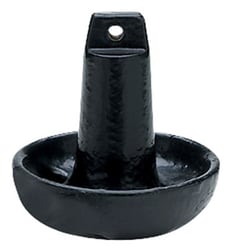

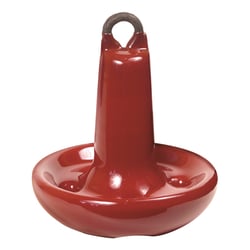

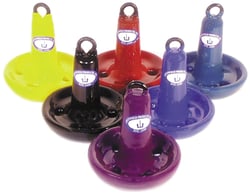
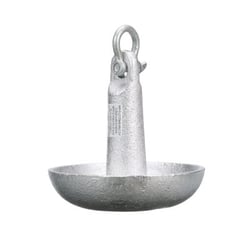
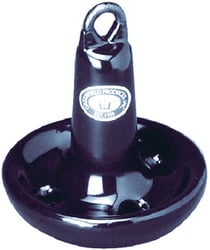
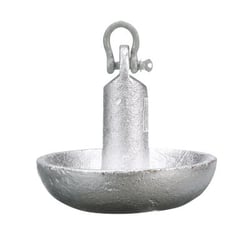
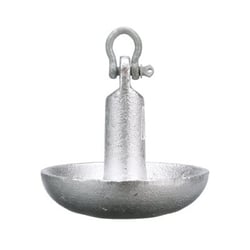
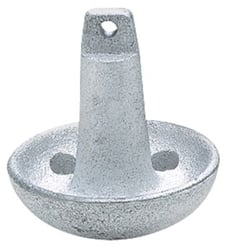
 Representative Photo, actual item may vary
 Representative Photo, actual item may vary
What Is a Mushroom Anchor?
Mushroom anchors get their name from their rounded, mushroom shape. This is a unique type of anchor primarily used in marine environments for secure mooring — its distinctive upside-down mushroom shape allows it to bury itself into the sediment on the sea floor, creating a reliable point of attachment. Unlike fluke-style anchors that rely on penetrating and gripping the seabed, the mushroom anchor holds through a combination of dead weight and suction, making it a fundamentally different tool for specific on-the-water situations.
How Mushroom Anchors Work
The shape works best in soft bottoms, where it can create a suction that can be difficult to break. To achieve maximum holding power, these anchors need to bury themselves in mud or silt to the point that they displace their own weight in seabed material. Over time, the longer the anchor stays, the more it sinks down — after a couple of hours most of the anchor will be below the surface of the bottom, and leave it a day or two and the entire anchor will have worked its way into the sand or mud. This self-burying quality is what makes mushroom anchors especially effective as permanent or semi-permanent mooring anchors.
Although mushroom anchors are quite adaptable, they may not perform well in sandy conditions — sand is typically too loose and shifts easily, preventing the anchor from embedding deeply and securely. For hard, rocky, or sandy bottoms, a fluke or claw anchor is typically a better choice.
Common Uses for Mushroom Anchors
Mushroom anchors are typically used for small boats, buoys, and permanent moorings because of their ability to hold fast in a stationary position. They are used extensively for moorings, and can weigh several thousand pounds for this use. On the lighter end, they are decent for very small boats to use as a lunch hook — a quick stop for a swim, a picnic, or a fishing session on a calm lake or river.
They also work well for mooring or racing buoys. Anglers fishing shallow, soft-bottomed lakes frequently rely on mushroom anchors bow and stern to keep their boats perfectly positioned without the hassle of a heavier anchor system.
Materials, Finishes & Sizing
Mushroom anchors are typically made from cast iron, a material chosen for its durability and ability to withstand harsh marine environments. Finishes vary by application:
- Hot-dip galvanized: Provides excellent corrosion resistance, suitable for both freshwater and saltwater use — the zinc coating helps prevent rust, and the durability can result in decades of maintenance-free performance.
- Vinyl or plastic-coated: A layer of plastic applied to the surface offers additional protection against corrosion and can prevent the anchor from scratching or damaging the boat's hull or deck.
When it comes to sizing, a heavier anchor is typically necessary for larger boats. Optimal use depends on factors such as the boat's weight and shape, chain and hardware condition, and weather conditions like wind, wave, tide, and current — consult a local harbor master when determining mooring anchor weight.
Choosing the Right Mushroom Anchor
Selecting the right mushroom anchor comes down to three key factors: your boat size, your typical anchoring environment, and whether you need a temporary or permanent solution.
- Bottom type: Consider the types of seabeds you encounter — mushroom anchors excel in soft seabeds but may not be as effective in rocky or hard environments.
- Freshwater vs. saltwater: If you often anchor in saltwater, a hot-dip galvanized anchor may be more suitable due to its superior corrosion resistance; for freshwater or aesthetic considerations, a plastic-sprayed anchor could be ideal.
- Temporary vs. permanent: Lightweight models (5–15 lbs) suit kayaks, canoes, and small fishing boats for day use, while heavy-duty cast iron versions are designed for permanent mooring installations.