



Navy Anchors
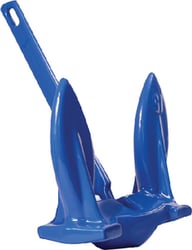

 Representative Photo, actual item may vary
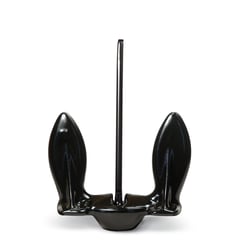
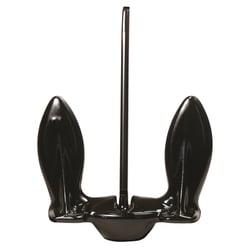
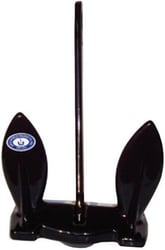


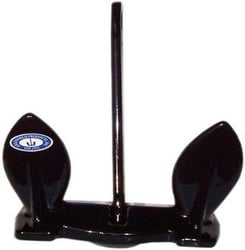
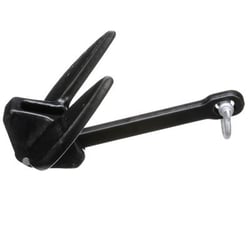
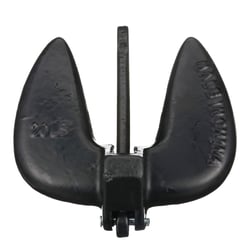

What Is a Navy Anchor?
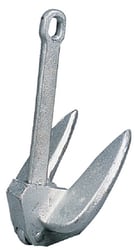
An anchor is a device, usually of metal, attached to a ship or boat by a cable or chain and lowered to the seabed to hold the vessel in a particular place by means of a fluke or pointed projection that digs into the sea bottom. Among the many anchor styles available to recreational boaters, the navy anchor stands out for its distinctive silhouette and time-tested performance.
The navy anchor dates back to centuries of naval history, where durability and simplicity mattered most. Used by naval fleets across the world, its design was created to withstand different seabeds and unpredictable weather. Its twin flukes and stock were specifically engineered to dig into the seabed and hold strong against tides and currents — and what started as a solution for massive warships became a trusted anchor style for recreational boaters as well.
Key Features of Navy Anchors
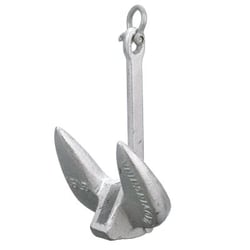
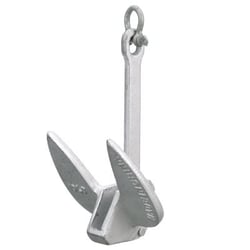
Navy anchors are stockless, meaning they lack the central stock found in traditional anchors. This design feature allows them to be stowed more easily and take up less space on board, maximizing available storage for other equipment and supplies. That compact footprint makes them a practical choice for smaller vessels with limited deck space.
- Fluke Design: The two pointed flukes allow the anchor to dig deeply into the seabed for stronger holding power.
- Versatility: Performs well on different surfaces such as sand, mud, and gravel.
- Durability: Traditionally made from strong metals like galvanized steel, making it resistant to bending and corrosion.
- Ease of Handling: Despite their size, navy anchors are relatively easy to handle. Their stockless design eliminates the need to manage a central stock, making deployment and retrieval smoother and more straightforward.
Choosing the Right Navy Anchor
Your boat's size, weight, and design characteristics affect what kind of anchor you will need. For instance, a 30-foot, 10,000-pound houseboat needs a larger anchor than a 30-foot, 6,000-pound speedboat. As a general rule, anchors are rated by holding power — the ability of an anchor to hold a given weight. Keep in mind that a 10,000-pound boat may only require an anchor with a holding power of a few hundred pounds on a calm day, but may need 1,000 pounds of holding power or more on a stormy day.
When deploying your navy anchor, technique matters. Use a scope ratio of around 7:1 for maximum effectiveness — for example, if you're anchoring in 10 feet of water, let out about 70 feet of rope. When an anchor penetrates the surface of the seabed, suction generates resistance created by the bottom material plus the weight of the material above it. As the boat pulls on the anchor rode, the anchor digs in deeper, creating additional resistance.
Top Navy Anchor Brands
Seachoice is a widely recognized name in recreational marine accessories, offering navy anchors built for dependable everyday use on small to mid-size watercraft. Their anchors are designed with corrosion-resistant finishes suited to both freshwater and saltwater environments, making them a go-to choice for boaters who want reliable performance at a practical value.
Sea-Dog Line brings a deep legacy of marine hardware expertise to the anchoring category. Sea-Dog Line Corporation is one of the most recognized and trusted brands in the marine industry, and for over 90 years, Sea-Dog has supplied boat builders and owners with thousands of high-quality components designed to withstand the harsh conditions of the sea. Their product line is known for providing high-quality, corrosion-resistant solutions for both recreational and commercial boating applications.