



Packing Material & Tools

What Is Propeller Packing Material?
Every inboard-powered boat faces the same fundamental engineering challenge: the propeller shaft must pass through the hull to connect the engine to the propeller, yet the hull must remain watertight. The solution is the stuffing box — also called a packing gland or packing box — along with the packing material and tools required to service it. Propeller packing material and tools are the consumables and hardware that make this critical sealing system work, and keeping them in good condition is one of the most important aspects of routine marine maintenance.
How Stuffing Boxes and Packing Work
A stuffing box forms the seal between the propeller shaft and the hole in the hull through which the shaft passes, allowing the shaft to rotate freely while preventing excessive water from entering the vessel. Traditionally, this is accomplished with rings of wax-impregnated flax packing compressed around the shaft by a threaded gland nut. A properly adjusted stuffing box allows a small, controlled drip of water — typically two or three drops per minute — which serves to lubricate and cool the shaft as it spins.
Over time, this packing material compresses, wears, and eventually breaks down, requiring periodic replacement. Choosing the right packing size is straightforward once you know your shaft diameter, as packing cross-sections are generally matched to shaft size. Packing should be cut to length and installed in rings with the joints staggered around the shaft to minimize leakage.
Types of Packing Material
While traditional waxed flax packing has been used reliably for generations, modern alternatives offer different performance characteristics:
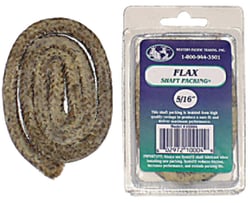
- Waxed Flax Packing — The classic, time-tested option. Compressed flax rings create an effective seal and allow the controlled drip of water needed for lubrication. Flax can decompose over time and requires periodic retightening and eventual replacement.
- PTFE (Teflon) Packing — Synthetic yarn impregnated with PTFE delivers a more slippery, durable seal that resists the mildew and rot cycle common in natural fibers. PTFE packing tends to be longer-lasting than flax but must be monitored carefully, as it can restrict water flow if over-tightened, potentially leading to heat buildup.
- Graphite-Impregnated Packing — Graphite adds lubricity for smoother shaft rotation, but users should note that graphite is a highly noble metal, which can accelerate galvanic corrosion on stainless steel shafts when immersed in seawater if not properly managed.
- Drip-Less Moldable Packing — A clay-like synthetic material that molds to the interior of the stuffing box for a near-watertight seal, typically sandwiched between rings of conventional packing for best results.
Essential Packing Tools
Servicing a stuffing box requires only a few specialized tools, but having the right ones makes the job considerably easier and reduces the risk of damaging components:
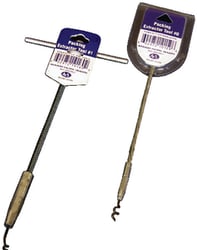
- Packing Extractor Tools — Designed to remove old, compressed packing safely and thoroughly without scratching the shaft or bore.
- Packing Box Wrenches — Specially shaped to fit packing nuts securely without rounding off edges, allowing proper torque to be applied during adjustment.
With the right instruction and tools, repacking a conventional stuffing box is a task well within the reach of most mechanically inclined boat owners.
Choosing the Right Packing for Your Boat
Selection depends primarily on your shaft diameter and the gap between the shaft and the inside of the packing nut. It's also important to consider how frequently your vessel is used — high-hour working boats may benefit from different packing types than weekend recreational craft. Regardless of material choice, routine inspection of your stuffing box before and after every season, and periodically throughout the year, helps catch wear early and prevents the minor inconvenience of a dripping stuffing box from becoming a serious flooding risk.