



Paint Brushes
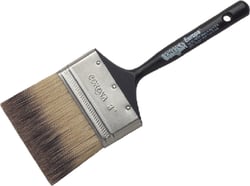

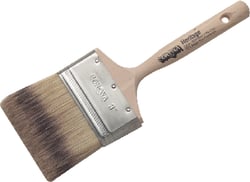
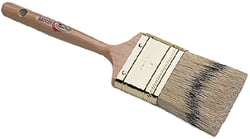

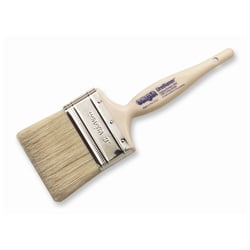
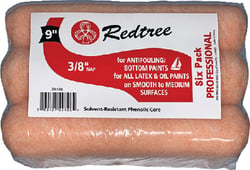
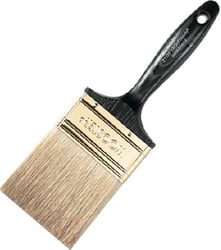

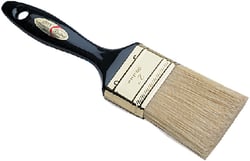
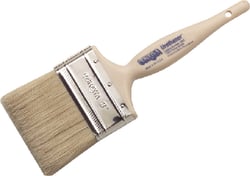
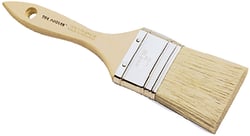
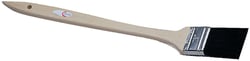
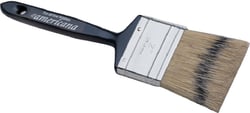
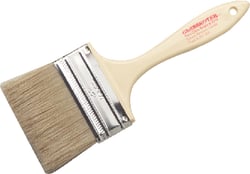
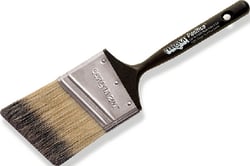
Corona Brush 16538-1.5" Pacifica Angular Paint Brush 1-1/2 Inch China Bristle
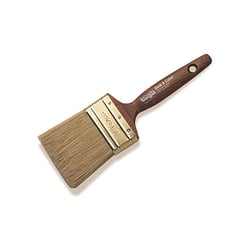
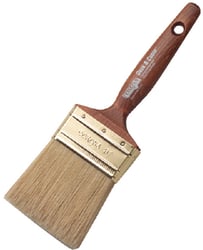
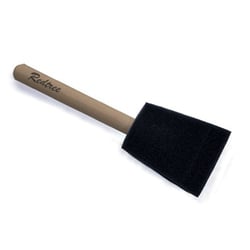
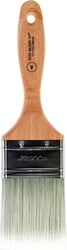
The Right Paint Brush Makes All the Difference
Whether you're refreshing the hull of a boat, laying down a clean pinstripe on a custom vehicle, touching up equipment, or tackling a full maintenance repaint, the paint brush you choose has a direct impact on the quality of your finish. Brush selection isn't just about size — bristle type, ferrule construction, handle ergonomics, and compatibility with specific coatings all determine how a job turns out. Understanding these variables helps you choose the right tool before you ever open a can of paint.
Bristle Types and When to Use Them
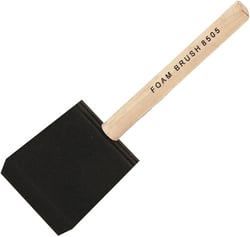
Paint brushes fall into two broad bristle categories: natural bristle and synthetic bristle. Natural bristle brushes — made from animal hair such as hog, squirrel, or badger — are best suited for oil-based paints, varnishes, enamels, and solvent-based marine coatings. Their natural flagged tips help carry more paint and release it smoothly. Synthetic bristle brushes, typically made from nylon or polyester filament, are ideal for water-based and latex paints, as natural bristles tend to absorb water and go limp. For epoxies, resins, and antifouling coatings, disposable brushes are often the most practical choice — they eliminate the mess and time involved in solvent cleaning.
Choosing the Right Brush for the Job
Beyond bristle type, consider the following when selecting a paint brush:
- Width: Narrow brushes (1"–2") excel at detail work, trim, and tight spaces. Wider brushes (3"–4") cover large flat surfaces faster.
- Ferrule material: Stainless steel ferrules resist rust and hold bristles firmly, especially important for marine and outdoor applications.
- Handle shape: Pencil-shaped or tapered handles give more control for fine finish work; standard flat handles work well for broad coverage.
- Disposable vs. reusable: For aggressive coatings like epoxies and antifouling paints, a quality disposable brush can save significant cleanup time.
Top Paint Brush Brands
Redtree Industries has been manufacturing brushes and rollers since 1976, with a focus specifically on marine and industrial coatings. Their lineup includes fine finish natural and synthetic bristle brushes, specialty applicators, and disposable options — all engineered to perform with demanding coatings like polyurethanes, epoxies, varnishes, and antifouling paints.
Mack Brushes (Andrew Mack & Son Brush Company) traces its roots back to 1891, when founder Andrew Mack developed the original striping pencil brush for carriage painters. Today, the company is recognized as a world leader in pinstriping and touch-up brushes, with each brush still handcrafted in Jonesville, Michigan using premium natural squirrel hair and modern synthetic materials.
Linzer Products is one of the world's largest manufacturers of professional paint applicators, operating facilities across North America. Their extensive catalog covers everything from professional-grade angle brushes to multi-surface flat brushes, making them a go-to source for painters who want consistent quality at a range of price points.
Wooster Brush is a name synonymous with professional painting quality. A family-owned American company with decades of brush-making heritage, Wooster offers an enormous selection of brushes engineered for specific coatings and applications — trusted by contractors, craftsmen, and serious DIYers alike.
Application Tips for a Better Finish
Even the best brush won't compensate for poor technique. Load your brush to about one-third of the bristle length to avoid drips, and always brush in the direction of the grain or surface texture. For fine finish work with varnish or enamel, use long, smooth strokes and avoid overworking the paint once it begins to set. Clean reusable brushes thoroughly with the appropriate solvent immediately after use to preserve bristle shape and extend brush life.