



Polyester Resin
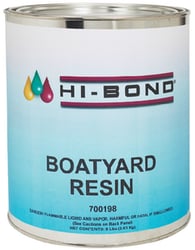

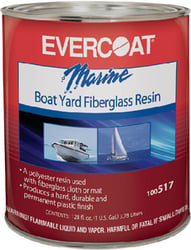

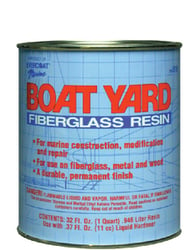
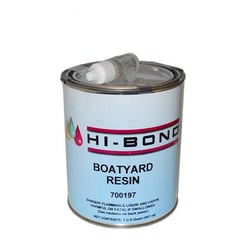
 Representative Photo, actual item may vary
What Is Polyester Resin?
Polyester resin is a versatile, thermosetting synthetic compound used to bond, reinforce, and repair a wide variety of surfaces. When mixed with a catalyst (typically methyl ethyl ketone peroxide, or MEKP), it undergoes a chemical curing process that transforms it from a liquid into a hard, rigid solid. The result is a material that is strong, moisture-resistant, and capable of being sanded, shaped, and painted — making it an essential product for anyone working on vehicles, boats, or structural composite projects.
Common Uses in Automotive & Marine Repair
Polyester resin is one of the most widely used materials in fiberglass repair and fabrication. Whether you're patching a cracked fiberglass body panel, rebuilding a section of a boat hull, or fabricating a custom body kit component, polyester resin serves as the binding matrix that holds fiberglass mat or woven cloth in place. Its ability to wet out reinforcement materials thoroughly and cure to a hard finish makes it ideal for both structural repairs and cosmetic surface restoration.
- Body Panel Repair: Fill cracks, holes, and stress fractures in fiberglass body panels and bumper covers with lasting strength.
- Marine Hull Patching: Restore boat hulls, decks, and fenders that have suffered impact damage or osmotic blistering.
- Custom Fabrication: Build fiberglass molds, enclosures, air ducts, speaker pods, and other custom components layer by layer.
- Rot & Structural Repair: Stabilize and reinforce wood or composite structures that have been compromised by moisture or impact.
How to Choose the Right Polyester Resin
Not all polyester resins are created equal — the right product depends on your specific application. General-purpose laminating resins are formulated to wet out fiberglass cloth and mat efficiently, making them ideal for building up layers in custom fabrication projects. Finishing resins (also called surface or topcoat resins) contain a wax additive that rises to the surface during cure, sealing out air and allowing the cured surface to dry tack-free so it can be sanded and painted. Understanding the difference is critical: laminating resin left as a final layer will remain slightly tacky because it needs air exclusion to fully cure at the surface.
Also consider working time (also called pot life) — the window between when you mix the catalyst and when the resin begins to gel. Warmer temperatures accelerate the cure, while cooler temperatures slow it down. For large projects or complex layups, a resin with a longer pot life gives you more time to work before it begins to set.
Application Tips for Best Results
Surface preparation is everything when working with polyester resin. The substrate must be clean, dry, and free of grease, wax, or loose material. Lightly sanding the repair area promotes mechanical adhesion. When applying resin over fiberglass mat or cloth, work in thin layers and use a brush or roller to saturate the reinforcement fully and eliminate air bubbles. Multiple thin coats consistently outperform a single heavy application, both in strength and finish quality.
Always work in a well-ventilated area — polyester resin produces strong styrene fumes during mixing and curing. Use nitrile gloves, eye protection, and appropriate respiratory protection. Store unmixed resin in a cool, dark location away from heat sources and direct sunlight to maximize shelf life.