



Portable Fuel Cans
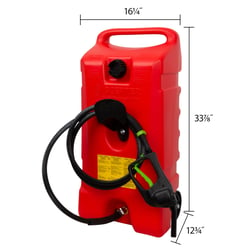


Portable Fuel Cans: Safe, Reliable Fueling for the Water and the Track
Whether you're topping off a boat engine at the marina, refueling a generator at a remote campsite, or making a pit stop at a race track, a quality portable fuel can is an essential piece of equipment. Not all fuel containers are created equal — the right can balances capacity, pour speed, material durability, and seal integrity to keep fuel fresh, contained, and safe to handle in demanding environments.
Why the Right Fuel Can Matters
In marine and RV applications, portable fuel cans serve as a backup fuel source or a primary tank feed for smaller outboards and generators. Spills on the water are not only wasteful — they're an environmental hazard. Cans built with quality seals, vented caps, and ergonomic pour spouts help prevent accidental overflow and contamination. For motorsports applications, fast and controlled fuel transfer is critical, making construction quality and flow rate equally important factors.
Key things to consider when shopping for a portable fuel can include:
- Material: High-density or rotationally molded polyethylene resists UV degradation, chemical permeation, and impacts far better than standard blow-molded plastics.
- Capacity: Common sizes range from 1 to 5+ gallons. Match capacity to your application — smaller cans suit outboards and quick top-offs, while larger jugs serve generators or race pit fueling.
- Pour Control: Look for vented handles, funnel-top openings, or integrated hose spouts that allow smooth, splash-free dispensing.
- Sealing: A robust threaded cap with a quality gasket prevents evaporation, leaks, and fume buildup during transport.
- Storage Footprint: Square-profile cans stack and store more efficiently in tight boat compartments, truck beds, and enclosed trailers.
Top Brands in Portable Fuel Cans
Scribner is a staple name on race tracks and in pit lanes across the country. Their jugs are manufactured using a rotational molding process, which gives them superior strength and durability over blow-molded alternatives. The funnel top design and molded handle help bleed air into the jug, allowing the full contents to be dispensed rapidly.
Reda Innovations brings a focused, problem-solving approach to portable fuel containment. Their products are engineered with precision features designed to improve the refueling experience, making them a standout choice for boaters and outdoor enthusiasts who demand reliability in the field.
RJS Racing Equipment is a well-respected name in motorsports safety and equipment. Their fuel cans reflect the same attention to durability and performance that defines the rest of their racing product lineup — a trusted option for competitors who need dependable pit equipment.
Sunoco brings its deep roots in performance fuels to the fuel storage category, offering portable containers designed to complement their fuel products and meet the needs of racers and outdoor users who demand consistency.
Allstar Performance is a go-to brand for race teams looking for affordable, functional pit equipment. Their portable fuel cans are designed with the working racer in mind, offering solid construction at a practical price point.
Choosing the Best Portable Fuel Can for Your Needs
For marine and RV users, prioritize corrosion-resistant materials and a leak-proof seal that can handle the vibration and motion of life on the water or road. For racing and track-day applications, fast pour rates and durable construction that can withstand rough handling in a busy pit environment take center stage. Whichever your use case, investing in a well-built portable fuel can pays dividends in safety, convenience, and longevity.