



Foul-Release Coatings
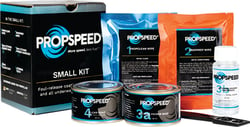

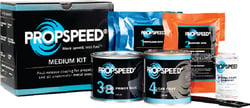
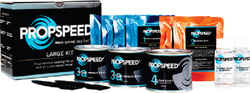

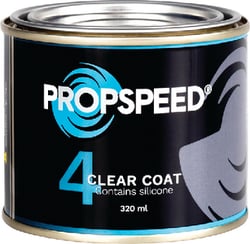
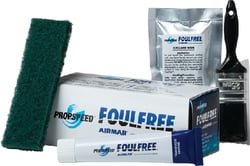
Prop Speed FFKITMS-S Foulfree Multi-Surface Small Kit for Underwater Components
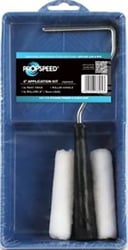
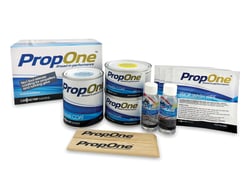
PROP ONE 2044 PropOne 1 Litre Foul Release Coating Kit for Propellers & Running Gear
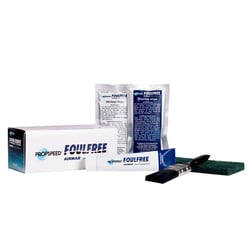
Prop Speed FFKITMS-M Foulfree Multi-Surface Medium Kit - Biocide-Free Foul-Release Coating System
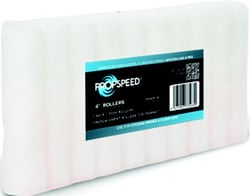
Marine growth is a constant problem for boat owners. Barnacles, slime and weed settle quickly on underwater surfaces, and propellers and running gear are especially vulnerable. Even light fouling disrupts the smooth flow of water over the blades, which can reduce speed, raise fuel consumption and put extra load on the engine. Foul-release coatings address the problem without poisons. They create an ultra-slick surface that marine organisms struggle to grip.
How Foul-Release Coatings Differ from Antifouling Paint
Traditional antifouling paints rely on biocides that slowly leach out or wear away to deter marine life. On a spinning propeller, that wear happens quickly, so the paint has a short service life. Foul-release systems work differently. They are generally silicone-based and biocide-free, and they form a low-friction film. Growth that does attach is easily dislodged by water movement once the vessel gets underway, or removed with a light wipe using a non-abrasive cloth. Because they don't kill anything, they are widely regarded as a gentler choice for the marine environment.
What to Consider When Shopping
- Kit size: Kits are sized by propeller diameter, blade count and the amount of running gear (struts, shafts, rudders, trim tabs) to be coated. Check each manufacturer's coverage guide before you buy.
- System components: Most systems combine a two-part etching primer with a clear silicone topcoat. The primer bonds to bare metal and the topcoat provides the slick finish.
- Surface preparation: Adhesion depends on thorough prep. Old coatings and growth must be removed and the metal cleaned and degreased, so plan for the prep steps as well as the coating itself.
- Usage pattern: Foul-release coatings perform best on boats that are used regularly, since movement through the water helps shed growth.
- Maintenance: Pressure washing and scraping can damage the film, so gentle cleaning is the rule.
Top Brands in Foul-Release Coatings
Prop Speed is widely described as the original propeller and running gear foul-release system, and the company has been in the business since 1999. Its system pairs an etching primer with a clear coat, is biocide-free, and is typically rated for 12 to 24 months of protection. The brand also offers related products such as a transducer coating and a dedicated stripper for removing foul-release coatings.
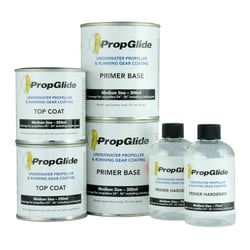
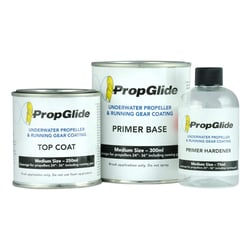
PropGlide offers a biocide-free, silicone-based system that is easy for do-it-yourself boaters to apply. It is sold in four kit sizes, from a sailboat-size kit up to a large kit for bigger vessels, and each kit includes primer base, primer hardener and clear topcoat.
PROP ONE is a non-biocidal foul-release coating, formerly sold as Prop Gold. It is available in several kit sizes, includes a primer and a clear coat, and is aimed at both recreational and professional applications on propellers and running gear.
Pettit Paint is a long-established marine coatings maker, founded in 1923, with a broad range of boat bottom paints, varnishes and epoxies. Its Prop Coat is a fast-drying aerosol for underwater metals that bonds to clean metal and inhibits corrosion, a convenient option for quick touch-ups.
Protecting Your Investment
A clean, smooth propeller runs more efficiently, and protecting underwater metals from fouling and corrosion helps reduce haul-out maintenance. Compare coverage, system components and application requirements to find the right foul-release coating for your vessel.