



Protective Eyewear
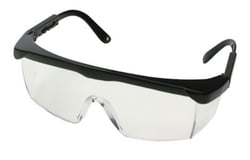

Why Protective Eyewear Matters
Your eyes are among the most vulnerable parts of your body during any maintenance, repair, or outdoor work task — and yet eye protection is one of the most frequently overlooked pieces of personal protective equipment. Whether you're grinding metal in the garage, working with chemicals on deck, sanding a hull, or simply mixing paint, protective eyewear is your first and most critical line of defense against flying debris, chemical splashes, UV radiation, and airborne particulates.
Even brief, low-intensity tasks carry risk. A single piece of metal shavings or a drop of solvent reaching an unprotected eye can cause lasting damage. The right pair of safety glasses or goggles dramatically reduces that risk and allows you to focus on the job at hand with confidence.
Types of Protective Eyewear
Not all safety eyewear is built for the same environment. Understanding the key differences helps you choose the right protection for the job:
- Safety Glasses: Lightweight frames with impact-resistant lenses, ideal for general maintenance tasks and protection from debris and dust.
- Safety Goggles: Provide a sealed or semi-sealed fit around the eye, offering superior protection against chemical splashes, fine particles, and liquid spray.
- Tinted & Polarized Lenses: Designed for outdoor use, these reduce glare from water, pavement, and metal surfaces — especially valuable for marine environments.
- Anti-Fog Lenses: Critical in humid conditions, such as below-deck work or outdoor use in varying temperatures, to maintain clear vision at all times.
What to Look For When Shopping
When selecting protective eyewear, keep these key considerations in mind:
- ANSI Z87.1 Certification: This is the American National Standards Institute standard for occupational eye and face protection. Look for the Z87 mark to ensure the eyewear meets basic impact-resistance requirements. The Z87+ rating indicates compliance with high-velocity impact testing — a higher bar suited to more demanding work environments.
- Lens Material: Polycarbonate lenses are the industry standard for safety eyewear, offering excellent impact resistance while remaining lightweight.
- Fit and Coverage: Wrap-around styles and adjustable nose bridges provide better peripheral coverage and a more secure fit for active tasks.
- Venting: Directly vented goggles work well for lighter tasks in dry conditions, while indirectly vented designs protect against chemical vapor and liquid splashes without sacrificing airflow.
Featured Brand: Seachoice
Seachoice brings its decades-long reputation in marine safety equipment to the protective eyewear category. Founded in 1988, Seachoice has grown from a marine hardware specialist into a brand offering over 6,000 products across safety, lighting, and accessories — all designed with the boating, fishing, and watersports enthusiast in mind. Their protective eyewear reflects that same commitment to reliable, practical safety gear built for real-world conditions on and off the water.