



Pulleys & Blocks


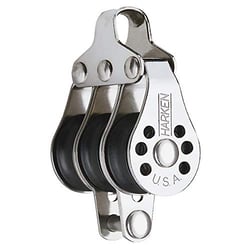
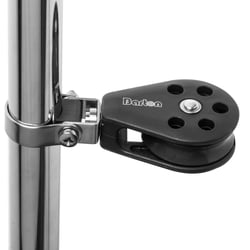
 Representative Photo, actual item may vary

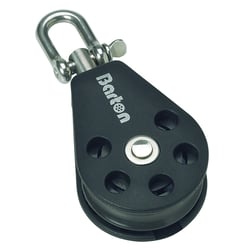
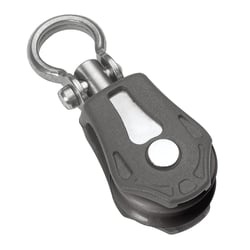
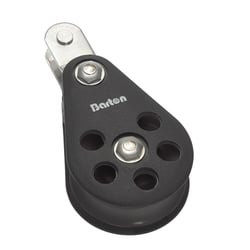
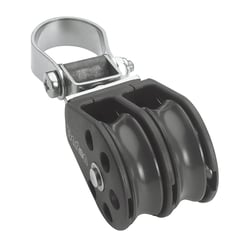
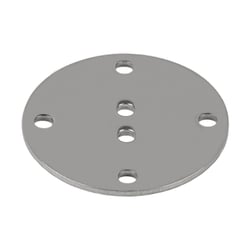
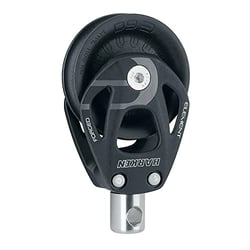
Barton Marine N00130 Swivel Block Single Size Plain Bearing Pulleys & Blocks - 0 20mm
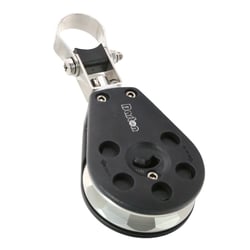
 Representative Photo, actual item may vary

What Are Marine Pulleys & Blocks?
"Block" is the nautical term for a pulley — and blocks make it easier to lift heavy loads and overcome significant force with rope. Sailboat blocks are pulleys that redirect running rigging around corners and multiply mechanical advantage so a crew of any size can trim and control sails under load. Whether you are raising a halyard, trimming a mainsheet, or easing a genoa sheet in a gust, there is a block quietly doing the mechanical work behind every maneuver.
How Do Pulleys & Blocks Work?
A block consists of a sheave — the wheel around which the line turns — suspended between two sides (cheeks) and turning either on a pin or ball bearing races. All a pulley does is redirect the force of the rope. When blocks are used together, they work like a simple reduction gear system. The more blocks you use, the slower you lift an object — but the more you slow down the ropes, the easier it gets to lift the object.
Blocks also allow ropes to go around sharp corners without rubbing on abrasive surfaces and causing damage — an important detail when lines are under constant load in a saltwater environment.
Why the Right Block Matters
Every time you trim a sheet, raise a halyard, or adjust a vang, a block is doing the mechanical work of redirecting load and reducing friction. Choosing the wrong marine block leads to increased line wear, crew fatigue, and, in serious cases, rigging failure under load. Choosing the right one makes sail handling smoother, faster, and safer for every person on deck.
Every block's performance is governed by three interrelated factors: the Working Load Limit (WLL) that defines the maximum safe operating load, the sheave diameter that influences line wear and friction, and the bearing system that determines rotation efficiency under both light and heavy loads.
Types of Marine Blocks
- Fixed-Eye Blocks: Mounted in a set position, ideal for static applications such as mast foot and masthead routing.
- Swivel Blocks: Rotate to follow changing line angles, reducing wear and improving efficiency on sheets and halyards.
- Cam Cleat Blocks: Combine a block and cleat in one unit for quick, single-handed line control.
- Snatch Blocks: Snatch blocks have a side gate that opens and closes for easy line insertion, giving them the ability to accept lines through the cheeks without reeving the bitter end of the line through.
- Ball Bearing Blocks: Engineered for low-friction performance under fast, dynamic loads like spinnaker sheets and racing mainsheets.
What to Consider When Shopping
When shopping for sailing components, it is important to understand that their functionality, durability, and performance depend on the material they are made from. Since you are buying for marine applications, it is essential to get something that can withstand the rigours of use and exposure to conditions like salt and water. Modern blocks have moved well beyond simple wooden shells with bronze sheaves, now using anodized aluminum frames, composite housings, Torlon bearings, and high-molecular-weight polyethylene sheaves to cut weight aloft and reduce friction losses.
Top Brands in Marine Pulleys & Blocks
Barton Marine is one of the most respected names in sailing hardware. Since 1948, Barton Marine has been a global benchmark for high-quality, British-made deck hardware, known for their "engineered by sailors, for sailors" philosophy. Their blocks are compact, high-strength products manufactured from modern materials and suitable for a variety of uses in both industrial and marine environments — designed to be lightweight with outstanding performance and a long working life. From small dinghy blocks to heavy-load cruising pulleys, the range features high-grade glass fibre nylon reinforced moulded side plates with an internal 316 stainless steel frame that is through-bolted and riveted for added strength and durability.