



Rectifiers
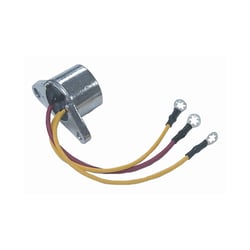

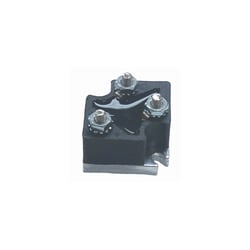
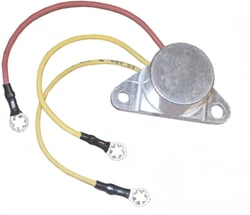

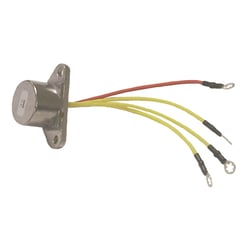
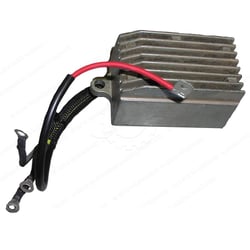
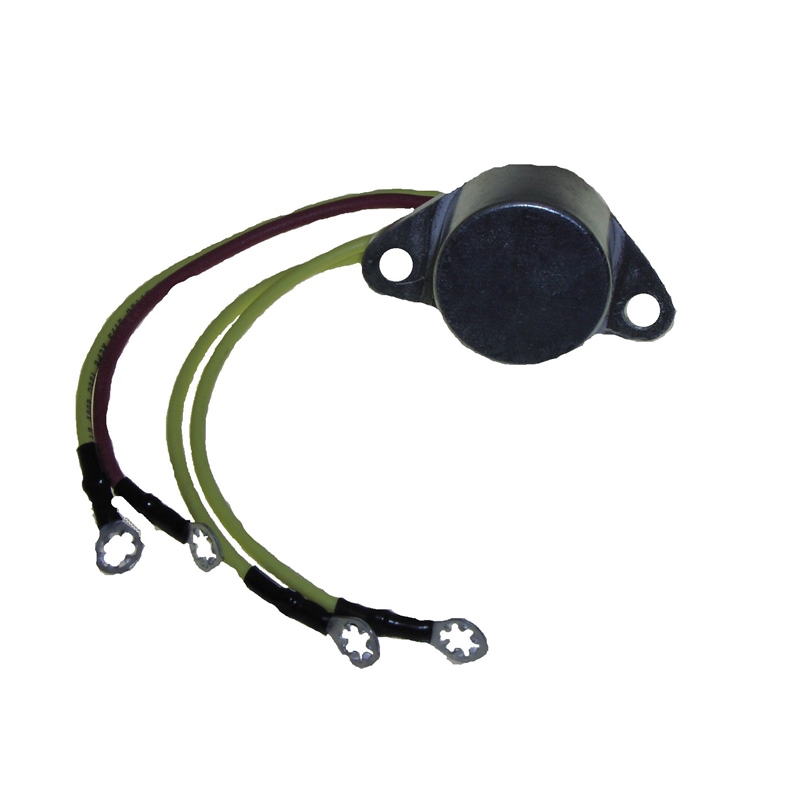
Engineered Marine Products 300-03587 Marine Regulator Rectifier for Johnson Evinrude Outboards

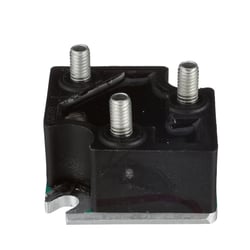

 Representative Photo, actual item may vary
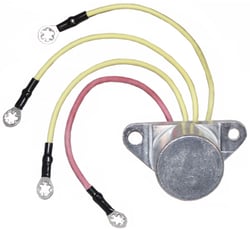
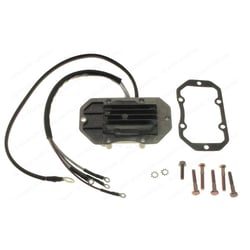
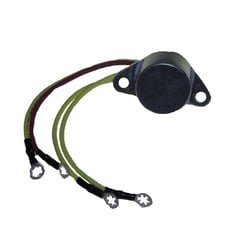
Engineered Marine Products 300-01402 Rectifier Regulator Assembly for OMC Engines
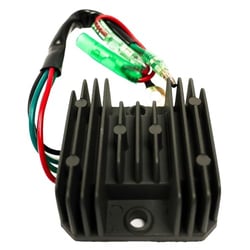
 Representative Photo, actual item may vary

 Representative Photo, actual item may vary
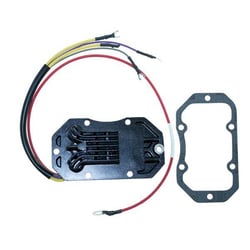
 Representative Photo, actual item may vary
 Representative Photo, actual item may vary
 Representative Photo, actual item may vary
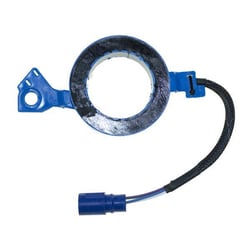
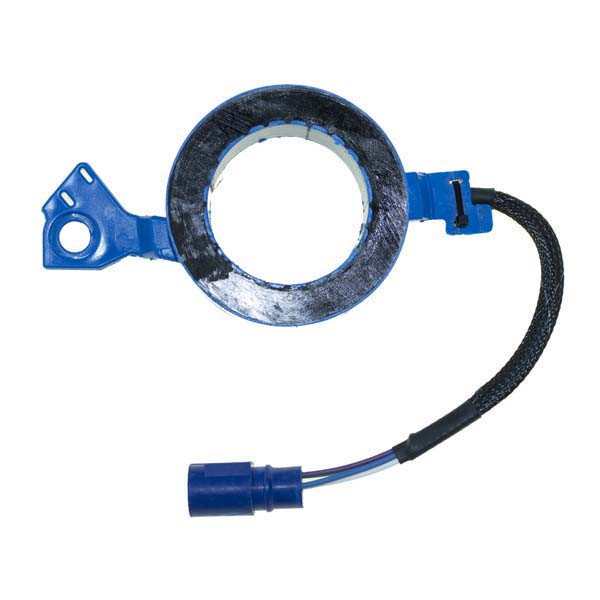 Representative Photo, actual item may vary
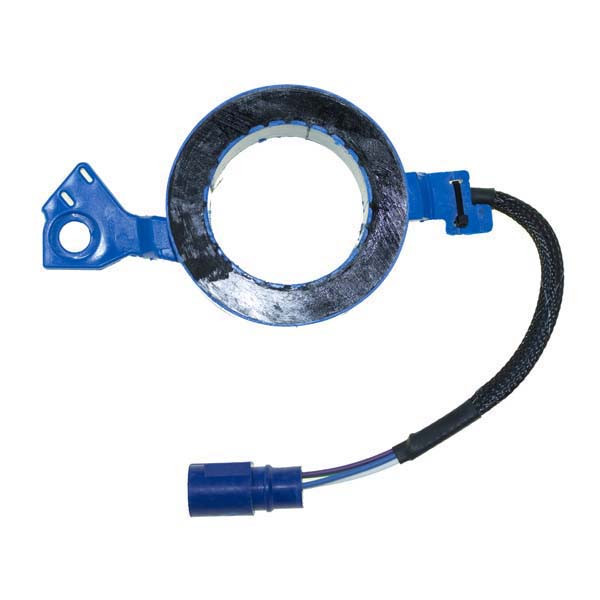 Representative Photo, actual item may vary
What Is a Marine or RV Engine Rectifier?
At the heart of every outboard motor and RV generator's charging system is a small but critically important component: the rectifier. Alternators and stators both produce alternating current (AC), but your battery and onboard electronics require stable direct current (DC) to function. The rectifier is the bridge between those two worlds. As the engine runs, the stator or alternator generates raw AC power, which is then routed through the rectifier — converting it into the usable DC voltage your battery and ignition system depend on.
Many modern marine engines use a combined rectifier-regulator module that handles two jobs at once: converting AC to DC and maintaining a steady output voltage — typically in the 13.6–14.3V range — whether the engine is at idle or wide-open throttle. This regulated output is what prevents overcharging and protects sensitive electronics aboard your vessel or RV.
Why Rectifiers Fail — and Why It Matters
Rectifiers are solid-state components with no moving parts, but they don't last forever. Heat, vibration, moisture, and age all take their toll. A failing rectifier can cause a range of symptoms: a battery that won't hold a charge, cabin lights that dim at idle and surge at speed, or even an erratic tachometer reading. Left unaddressed, a bad rectifier means your battery eventually goes flat — stranding you on the water or far from shore.
Because the rectifier sits at the intersection of your engine's electrical output and your battery bank, replacing a worn unit promptly is one of the most important pieces of preventative maintenance any boater or RV owner can perform. When shopping for a replacement, it's essential to match the rectifier to your specific engine make, model, year, and horsepower — and to verify whether your system uses a basic (unregulated) rectifier or a combined regulated rectifier-regulator unit.
Top Brands for Marine & RV Rectifiers
CDI Electronics is the leading name in marine rectifiers, carrying one of the broadest selections available for outboard engines. CDI's catalog spans Johnson/Evinrude, Mercury/Mariner, and other major outboard platforms, and the brand is especially known for its regulated rectifier upgrades that help eliminate over-voltage issues common with older unregulated units. Shop CDI Electronics rectifiers.
Sierra is a trusted name among marine technicians and DIY boaters alike. Sierra offers premium-quality aftermarket rectifiers engineered to meet or exceed OEM specifications, covering an extensive range of engine applications. Every Sierra engine part is backed by the brand's limited lifetime warranty against defects in workmanship and materials. Shop Sierra rectifiers.
Arco Starting & Charging has been a marine industry staple for over 60 years, building its reputation on high-quality OEM replacement parts for rotating electrical systems. Arco's rectifiers are designed for reliable performance and are engineered and manufactured with tight quality control, making them a dependable choice for both outboard and inboard applications. Shop Arco rectifiers.
Cummins (Onan Generators) brings its world-renowned generator expertise to the rectifier category, supplying components designed specifically for Onan generator systems commonly found in RVs and marine vessels. For owners of Onan-powered generators, sourcing a Cummins OEM-quality rectifier ensures the right fit and continued reliable power output. Shop Cummins Onan rectifiers.
What to Look for When Buying a Replacement Rectifier
- Compatibility: Always verify fitment by engine brand, model, year, and horsepower before purchasing.
- Regulated vs. unregulated: Regulated rectifier-regulator combos offer better protection for modern batteries, especially AGM types.
- OEM cross-reference: Use OEM part numbers to confirm you're getting a true equivalent replacement.
- Amperage rating: Match the amp rating to your engine's charging system specifications to avoid under- or over-supply.
- Battery type compatibility: Some rectifiers are not suitable for maintenance-free batteries — always check the product notes.