



Reducers, Converters & Specialty Additives

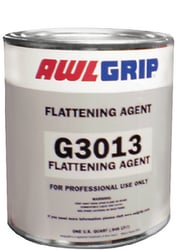

What Are Paint Reducers, Converters & Specialty Additives?
Getting a professional, factory-quality finish on an automotive paint job is about far more than the color you choose. The unsung heroes of any refinishing project are the reducers, converters, and specialty additives that control how paint behaves from the moment it leaves your spray gun to the moment it fully cures. Whether you're respraying a full panel, blending a spot repair, or laying down a custom finish, these products give you precise control over viscosity, flow, dry time, and surface quality.
Paint Reducers: The Key to Proper Flow and Atomization
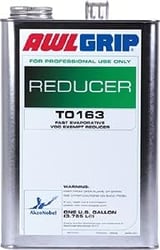
A reducer is a solvent used to thin automotive paint to the correct working viscosity before application. By adjusting the paint's thickness, a reducer improves atomization — the process of breaking paint into fine droplets as it exits the spray gun — which directly impacts how evenly the paint lays down and levels on the surface. Proper atomization helps the paint adhere to the surface better and can be the difference between a glass-smooth finish and unwanted texture like orange peel.
Importantly, reducers are not interchangeable with general-purpose paint thinners. Thinners are formulated for lacquer-based paints, while reducers are engineered for urethane and enamel systems. Using the wrong solvent can lead to serious issues including poor adhesion, dull finishes, blushing, or color bleed-through from underlying coats.
Reducers also come in different speed grades — fast, medium, and slow — to match your working environment. Temperature and humidity both play a role in how quickly solvents evaporate. In hot or low-humidity conditions, a slow reducer gives the paint more time to flow out and level properly before it dries. In cool or high-humidity conditions, a fast reducer helps solvents escape more quickly and reduces the risk of defects like solvent pop, where trapped gases form bubbles beneath the surface.
Converters and Hardeners: Locking In Durability
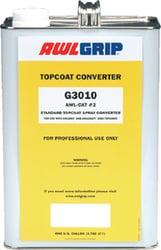
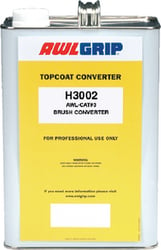
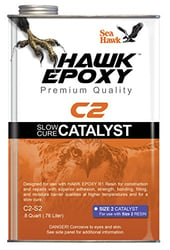
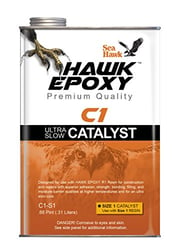
Converters — often called activators, hardeners, or catalysts — are chemical agents added to two-stage paint systems to trigger and control the curing process. When mixed into a basecoat, clearcoat, or single-stage topcoat, a converter causes the paint to undergo a chemical reaction that hardens and cross-links the film. This process is vital for protecting the finish against UV fading, weathering, and chemical exposure. Converters typically come in different mixing ratios and reactivity levels to match specific paint systems and environmental conditions.
Specialty Additives: Solving Real-World Application Challenges
No two paint jobs happen under identical conditions, and specialty additives exist to address the variables that real-world shops and garages encounter every day. Common specialty additives include:
- Fisheye eliminators: Contaminants on the surface or in the environment can cause paint to pull away and form crater-like fisheyes. Fisheye eliminator additives reduce surface tension and allow the coating to flow uniformly over affected areas.
- Flow enhancers: In hot conditions, paint can flash too quickly on large surfaces, creating dry spray and poor leveling. Flow additives extend the wet edge and help eliminate orange peel across full panels.
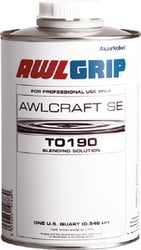
- Edge blenders: When blending a spot repair, edge blenders help the clearcoat feather seamlessly beyond the repair zone so the transition is invisible.
- Accelerators: When a job needs to be turned around quickly, accelerator additives shorten pot life and speed up cure times without sacrificing film integrity.
How to Choose the Right Product
Selecting the correct reducer, converter, or additive always starts with your paint system. Always consult the paint manufacturer's technical data sheet for recommended mixing ratios, compatible solvents, and application temperatures. Using mismatched products can compromise adhesion, gloss, and long-term durability. When in doubt, stick with products from the same paint system family for guaranteed chemical compatibility. Always work in a well-ventilated area and wear appropriate protective equipment — gloves, respirator, and eye protection — when handling any of these solvent-based products.