



River Anchors
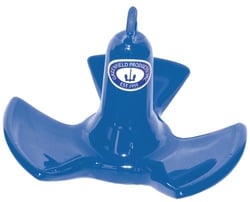

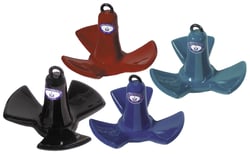
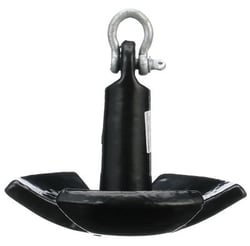

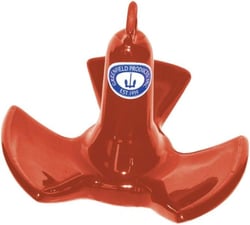
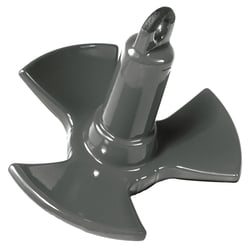
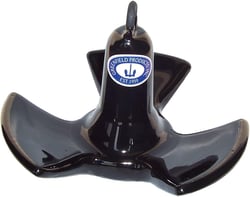
Greenfield Products 530 B IND Vinyl Coated Tri-Fluke River Anchor 30 Lb Black

What Are River Anchors?
River anchors are purpose-built holding devices designed to secure boats, drift boats, jon boats, kayaks, and other small watercraft in the dynamic conditions of freshwater rivers, streams, and inland waterways. Unlike general marine anchors engineered primarily for calm coastal waters or open lakes, river anchors must contend with constant current, shifting bottom compositions, and the ever-changing nature of a living waterway. Choosing the right anchor for river use is one of the most important decisions a freshwater boater can make — and getting it wrong can mean drifting into hazards or losing your position on a productive fishing hole.
How River Anchors Work
The core function of any anchor is to create resistance against drifting by holding the vessel in place. River anchors accomplish this through a combination of weight, design geometry, and bottom interaction. Most feature wide flukes, spiked tines, or heavy cast-iron construction that allows them to catch and grip on varied riverbeds — from gravel and hard rock to soft mud and weeds. Unlike saltwater anchors that rely on digging deeply into sandy seabeds, river anchors must be versatile enough to find purchase on ever-changing bottom types that can include mud, hard rock, and gravel, sometimes all within the same stretch of water.
Types of River Anchors
Understanding the different river anchor styles helps you match the right tool to your specific waterway and vessel:
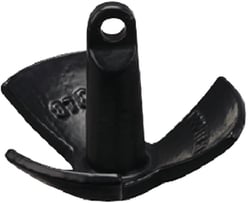
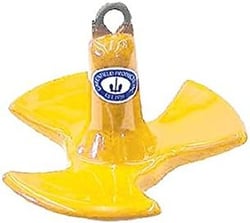
- Pyramid and River-Style Anchors: Heavy, cast-iron or steel anchors with a broad base and pointed geometry. These are the workhorse of serious river fishing — their design is made to catch on hard bottoms and will also hold well in mud or weeds. The tradeoff is weight, which can make retrieval demanding.
- Mushroom Anchors: Rounded disc-style anchors that hold by suction in soft, muddy, or silty bottoms. They work best in slow rivers with muddy bottoms but tend to slip and not grab in heavy currents, making them a better choice for calm backwaters and quiet coves than fast-moving channels.
- Folding Grapnel Anchors: Compact, multi-pronged anchors with folding tines that can snag rocks, roots, or bottom structure. They are popular for kayaks, canoes, and small inflatables because they fold flat for easy storage and are lightweight enough to handle solo.
- Fluke Anchors: Feature two pivoting triangle-shaped hooks that dig into the bottom when pressure is applied. They are lightweight and easy to retrieve, working well in sand and mud compositions, though they can struggle to grab on hard rocky bottoms common in many rivers.
Key Factors When Choosing a River Anchor
Selecting the right river anchor requires thinking through several variables before you buy:
- Bottom Composition: The type of riverbed — whether mud, sand, gravel, rock, or weeds — is the single most important factor in anchor selection. No single design excels in every condition, so many serious river anglers carry more than one anchor style.
- Boat Size and Hull Design: Larger flat-bottom boats require heavier anchors and more rope to stay put. Deep-V hulls cut through current more efficiently and may require less anchor weight under ideal conditions, while flat-bottomed and shallow-running boats catch more current and demand proportionally heavier anchors.
- Current Speed: Fast-moving water demands significantly more holding power. As a general rule, a heavier anchor with sharp edges or grip points is essential in strong currents, while lighter designs are appropriate for slow-moving or calm river sections.
- Anchor Rode and Scope: The anchor line (rode) plays a critical supporting role. A low, near-horizontal angle between the rode and the anchor dramatically improves holding power, so using adequate rope length — typically much more than the water depth — is essential in river anchoring.
- Materials and Corrosion Resistance: Even in freshwater, anchors face constant exposure to moisture, abrasion, and impact. Look for cast iron or steel anchors with a galvanized finish or vinyl coating to resist rust and protect your boat's hull from contact damage.
- Breakaway Systems: Many dedicated river anchors feature a breakaway mechanism that allows the anchor to pull free backward if it becomes lodged — an important safety feature in fast water where a stuck anchor can be genuinely dangerous.
River Anchoring Safety
Anchoring in moving water carries real risks. Deploying or retrieving an anchor in fast current is considered one of the more hazardous activities in recreational river boating. Always tie off anchor lines with a quick-release knot, keep excess rope secured and out of the way, and never anchor on steep-gradient rivers with very fast flow unless you are experienced and equipped to do so safely. Having a second anchor aboard — one in the bow and one in the stern — allows you to stabilize the boat and adjust your angle to the current, a technique commonly used by experienced fishing guides.