



Rust Removers & Treatments
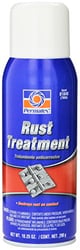

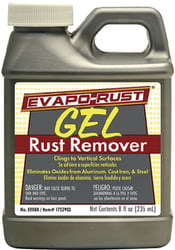

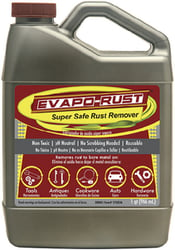
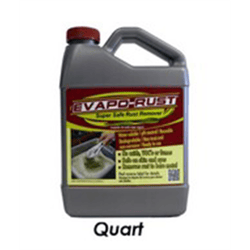
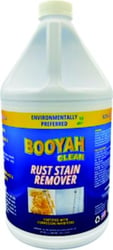
 Representative Photo, actual item may vary





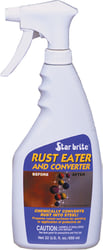
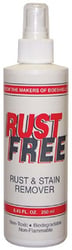

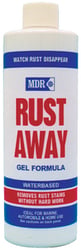
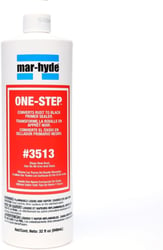

Why Rust Treatment Matters for RVs and Marine Vessels
Rust is one of the most relentless enemies of any vehicle, but for boats, RVs, and marine equipment, the threat is amplified. Constant exposure to moisture, saltwater, road salt, and humidity accelerates oxidation on metal surfaces — from trailer frames and outboard engine components to RV chassis rails and hardware fittings. Left untreated, surface rust quietly eats into structural metal, leading to costly repairs or even safety hazards down the road.
Rust removers and treatments are not a one-size-fits-all category. Products range from chemical soaking baths that dissolve rust from small parts to brush-on encapsulators that convert existing rust into a stable, paintable surface. Understanding the differences — and choosing the right product for your situation — can mean the difference between a quick fix and a recurring problem.
Types of Rust Removers and Treatments
- Rust Removers (Dissolvers): These chemically break down iron oxide, lifting rust away from metal. Available as liquid soaking baths or gel formulas for vertical surfaces and hard-to-reach areas.
- Rust Converters: These react with rust to chemically transform it into a more stable compound, creating a protective primer-like layer that can be painted over directly.
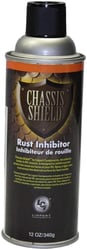
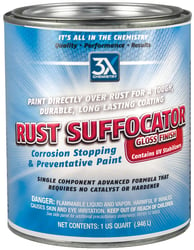
- Rust Encapsulators: Brush- or spray-applied coatings that seal and isolate rust from further moisture exposure, effectively stopping the oxidation process in its tracks.
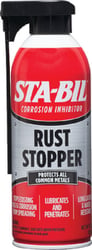
- Rust Preventatives: Protective sprays or coatings applied to bare or treated metal to create a moisture-resistant barrier and prevent new rust from forming.
Top Brands in RV & Marine Rust Treatment
SEM Products is a leading name in automotive and marine surface preparation, offering rust treatments engineered for long-term corrosion control. SEM's solutions are widely trusted by professionals for their adhesion properties and compatibility with topcoat finishes, making them a go-to choice for RV and marine restorations.
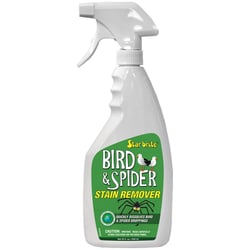
Starbrite has built a strong reputation in the marine maintenance world, formulating products specifically for the harsh saltwater and UV-heavy environments that boat owners deal with daily. Their rust treatment offerings are designed with marine-grade protection in mind.
Workshop Hero brings an innovative approach to rust removal with their flagship Metal Rescue line. Workshop Hero is a cutting-edge line of rust preventative and rust removal products designed to take the "work" out of workshop. Unlike many traditional rust removers, Metal Rescue Gel is non-toxic, environmentally friendly, and contains no harmful or corrosive acids, alkalis, or solvents — making it a safer choice for DIYers working in enclosed spaces like garages and RV bays.
Sherwin Williams Automotive Finishes leverages the brand's deep expertise in coatings chemistry to deliver professional-grade rust treatments. Their products are engineered for reliable adhesion and durability, and are commonly used as part of a complete surface prep and refinishing system for automotive and marine applications.
Choosing the Right Rust Treatment
Before selecting a product, assess the severity and location of the rust. Light surface rust on removable parts responds well to a soak-style rust remover bath. Moderate rust on large, fixed surfaces — such as an RV frame or boat trailer — is often best handled with a rust converter or encapsulator that can be brushed directly onto the metal. For ongoing protection after treatment, always follow up with a rust preventative coating to seal bare metal from future moisture exposure.
No matter your vessel or vehicle, catching and treating rust early is far less expensive than addressing structural corrosion after it has spread. Explore the full selection of rust removers and treatments below to find the right product for the job.