



Sanding Blocks
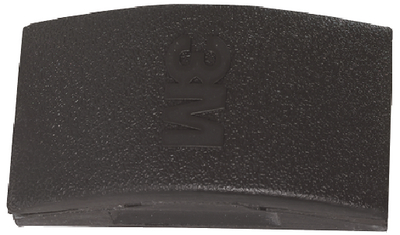 Representative Photo, actual item may vary

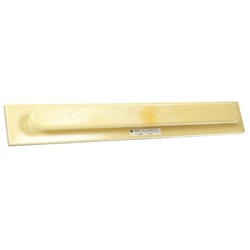
3M 7000045684 Hookit Marine Fairing Board Rigid 4-1/2 x 30 Inch Sanding Block
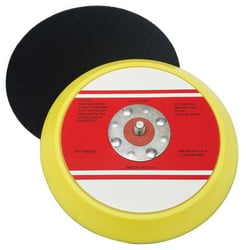

Why Sanding Blocks Matter for RV & Marine Surface Work
Whether you're restoring a faded gelcoat on a fiberglass hull, smoothing body filler on an RV panel, or prepping a surface between paint coats, a quality sanding block is one of the most essential tools in your kit. Sanding bare-handed leads to uneven pressure, finger marks, and inconsistent results — problems that multiply on the large, flat expanses common to boats and recreational vehicles.
A sanding block distributes pressure evenly, so you maintain a truer, flatter surface without digging in or creating low spots. As 3M notes about their own blocks, a sanding block also prevents sandpaper from bunching up or slipping, and its cushioned backing gives the abrasive just enough give to work effectively on the surface. For marine and RV applications — where paint, gel coat, and filler work demand precision — this kind of controlled, consistent contact makes a real difference in the quality of the final finish.
Types of Sanding Blocks to Know
- Rigid foam blocks — Best for flat panels and hull sides where maintaining a perfectly even plane is critical.
- Flexible/soft blocks — Ideal for curved or contoured surfaces like hull transitions, RV nose caps, and compound curves.
- Long fairing boards — Designed for large-scale wet sanding of boat hulls and RV sidewalls, these distribute pressure over a wide span to eliminate high spots and waves in filler work.
- PSA (Pressure-Sensitive Adhesive) blocks — Accept roll or sheet abrasives that stick directly to the pad, allowing quick changes between grits.
- Hook & Loop (Grip) blocks — Use Velcro-style fastening for fast abrasive swaps without adhesive residue.
Key Considerations When Shopping Sanding Blocks
Block size matters: smaller blocks navigate tight spots and intricate curves, while longer boards excel at leveling large flat surfaces like an RV sidewall or a boat's topsides. Think about the abrasive attachment method — PSA systems offer a secure bond for wet sanding, while hook-and-loop systems are faster to change when cycling through grits. Finally, consider whether the block is designed for wet or dry sanding; marine gelcoat work often requires wet sanding, and not all blocks are built to handle prolonged moisture exposure.
Top Sanding Block Brands
Mirka is a Finnish surface-finishing specialist with deep roots in marine and automotive refinishing. Their hand sanding blocks are engineered specifically for use with Mirka's net-sanding abrasive products, featuring precisely placed holes for effective dust extraction, and they offer a wide range of sizes — from compact blocks for tight areas to large-format fairing boards designed to tackle boat and RV panels without digging into filler materials. Mirka sanding discs and blocks are well regarded for removing heavy oxidation from faded gel coat and fiberglass surfaces.
3M brings decades of abrasive innovation to their sanding block lineup. The 3M Stikit™ Sanding Block makes everyday sanding jobs easier — comfortable to grip, it distributes pressure evenly, so you get and maintain a more perfect surface. Their range includes dedicated marine fairing boards alongside standard and soft-backing blocks, making them a versatile choice for both RV bodywork and boat refinishing.
Norton is one of the most trusted names in abrasives, and their sanding blocks reflect that heritage. Norton sanding blocks are ergonomic and make the sanding process more comfortable, providing better control and a more consistent surface finish versus using sandpaper alone. Rubber, cork, and foam blocks are available, as well as those with clip fixings to hold the abrasive paper securely — giving you options for every type of RV or marine surface prep task.