



Sea Anchors
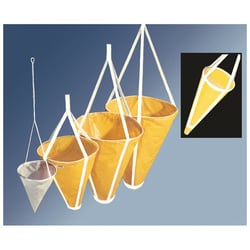

Essential Drift Control and Vessel Stabilization
Sea anchors are devices streamed from a boat in heavy weather to stabilize the vessel and limit progress through the water. Rather than tethering the boat to the seabed with a conventional anchor, a sea anchor provides hydrodynamic drag, thereby acting as a brake. Whether you're weathering a storm, controlling your drift while fishing, or facing an emergency situation with engine failure, sea anchors represent critical safety and performance equipment for anyone who ventures onto the water.
How Sea Anchors Work
Modern commercial sea anchors are usually made of cloth, shaped like a parachute or cone, and rigged so that the wider end leads and the narrower end trails, floating just under the surface with water moving past the sea anchor keeping it filled. Normally attached to a vessel's bows, a sea anchor can prevent the vessel from turning broadside to the waves and being overwhelmed by them. This fundamental principle makes sea anchors invaluable for maintaining vessel orientation and stability when conventional anchoring isn't possible or practical.
Applications Beyond Emergency Use
While sea anchors serve as critical safety devices in heavy weather, they've become equally important tools for recreational and commercial fishing. Often sold as drift anchors or drift socks, sea anchors are used in fishing vessels to hold them stationary relative to the water to allow a certain area to be fished, without having to use the motor. This controlled drift capability allows anglers to present baits effectively over structure, wrecks, and reefs while maintaining optimal boat positioning and reducing fuel consumption.
The first use of the sea anchor is as an aid to vessels in heavy weather, as a boat that is not kept bow-on or stern-on to heavy seas can more easily be rolled by the action of breaking waves. In emergency situations where steering or propulsion is compromised, a properly deployed sea anchor can mean the difference between riding out rough conditions safely and being at the mercy of wind and waves.
Choosing the Right Sea Anchor
When selecting a sea anchor, vessel size, intended use, and typical conditions all play important roles. Sea anchors designed for storm survival are generally larger and built to more rigorous specifications than drift control devices used primarily for fishing. The rode material and length matter significantly—nylon line is preferred for its stretch characteristics, and proper scope calculations based on wave height ensure the anchor functions effectively without placing excessive stress on the vessel or attachment points.
Quality construction matters when lives and vessels are at stake. Look for reinforced stitching, durable marine-grade fabrics, stainless steel hardware, and trip lines that allow for easy retrieval. Many experienced mariners practice deploying their sea anchors in calm conditions to familiarize themselves with the equipment before relying on it in challenging situations.
Top Sea Anchor Manufacturers
When shopping for sea anchors, selecting products from established manufacturers ensures you're getting equipment that meets marine safety standards. Cal June Buoys offers a range of marine safety equipment including drift control solutions built to withstand harsh aquatic environments.