



Octopus Autopilot Drives Autopilot Components

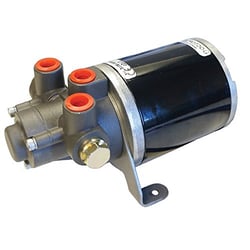
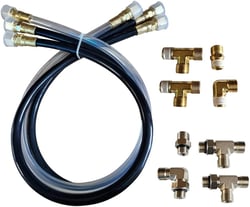
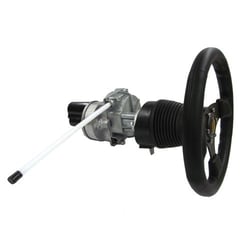
Octopus Autopilot Drives OCTAFMDTPW Type T Tilt Shaft Rotary Mechanical Drive
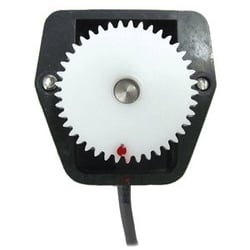
Octopus Autopilot Drives OC15SUK27B Integrated Rudder Feedback Potentiometer Module
Every marine autopilot depends on a drive unit to turn the computer's commands into rudder movement. Octopus Autopilot Drives focuses on that job. Its autopilot components are the hydraulic and mechanical hardware that sits between the autopilot electronics and your steering system. The company has been designing and manufacturing autopilot drives for more than 20 years, and it holds patents on several devices that improve drive performance. It also supplies drives to many leading autopilot manufacturers for use in their own packages.
Hydraulic Linear Drives for Mechanical Steering
The best-known Octopus components are its hydraulic linear drives. These are meant for sail and power boats with mechanical steering. A reversing pump and a marine hydraulic cylinder form one assembly, which mounts on the rudder tiller arm or quadrant. When the autopilot is off, the cylinder moves freely with the rudder. When it is on, a solenoid valve closes and locks the cylinder. If the solenoid is de-energized, the autopilot disconnects from the rudder immediately.
The range is sized by stroke and boat displacement. The 7-inch stroke drive is rated for boats up to 45 feet or 24,200 lbs. The 12-inch stroke drive is rated for boats up to 60 feet or 33,000 lbs. Larger 45mm bore versions extend the range to 80 feet or 44,000 lbs. Each size comes with the pump mounted on the cylinder (LAM) or mounted remotely (LAR), which helps when transom space is tight.
Efficiency and Adjustable Flow
Octopus makes two engineering claims for its linear drives. The first is power efficiency. The company cites an independent University of British Columbia comparison in which its piston pumps were three times as efficient as a gear pump. That could roughly halve battery consumption and double the autopilot's range on one charge, which matters on long passages. The second is adjustable flow rate. A fixed-flow drive will run too fast or too slow for most boats, so Octopus lets you tune the pump to your vessel's rudder speed instead of relying on the autopilot computer to compensate.
Reversing Pumps for Hydraulic Steering
If your boat already has hydraulic steering, Octopus offers adjustable reversing pumps. The Type 1, Type 2 and Type 3 pumps are matched to steering cylinder volume, and the gear pump line is sized for larger cylinders. These pumps are switched on by the autopilot and steer left or right according to the direction of the motor's rotation. Matching the pump to your cylinder helps the rudder move quickly and accurately.
Sterndrive and Cable-Steered Solutions
Octopus also covers powerboats with cable steering. The Type R remote system adds autopilot control without converting to full hydraulic steering. Sterndrive kits are available for Mercruiser and Volvo Penta installations. They clamp to the steering cylinder, so no drilling or cutting is needed. Behind-the-dash mechanical drives, such as the straight-shaft Type S and the tilt-compatible Type T, suit helm installations.
Choosing the Right Octopus Drive
- Steering type: Mechanical steering usually points to a linear drive. Existing hydraulic steering points to a reversing pump. Cable steering points to a Type R, Type S or Type T drive.
- Boat size: Match stroke length and rated displacement to your vessel, and size up if the rudder is large.
- Voltage: Many models are available in 12V and 24V.
- Electronics: Octopus drives work with popular autopilot systems that have a clutch or solenoid output. The autopilot computer is purchased separately.
To compare other makers' offerings, browse the full Autopilot Components category. You can also read more about the manufacturer on the Octopus Autopilot Drives brand page.