



Autopilot Components
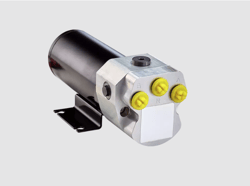

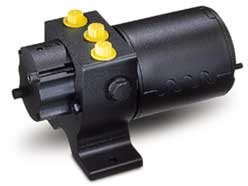
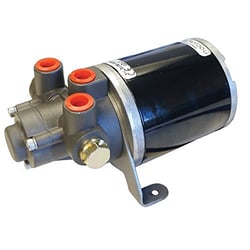

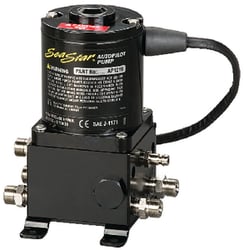
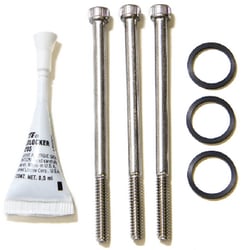

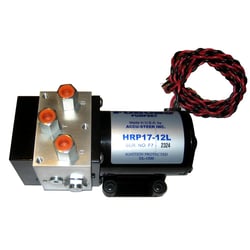
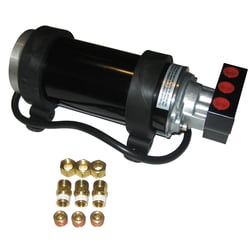
Furuno PUMPHRP17-12 Hydraulic Autopilot Pump 12V 1.7 CID/Sec for NavPilot

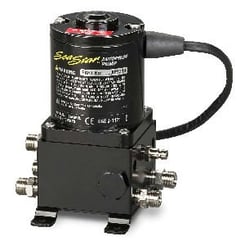

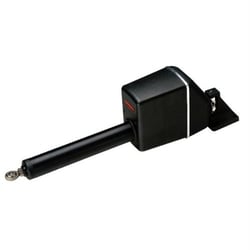

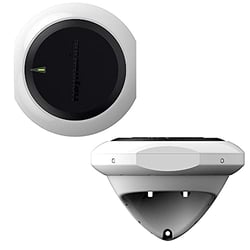
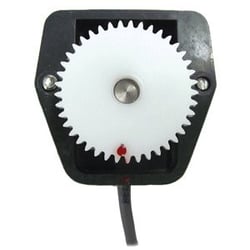
Octopus Autopilot Drives OC15SUK27B Integrated Rudder Feedback Potentiometer Module
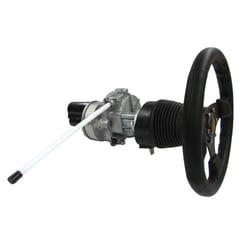
Octopus Autopilot Drives OCTAFMDTPW Type T Tilt Shaft Rotary Mechanical Drive
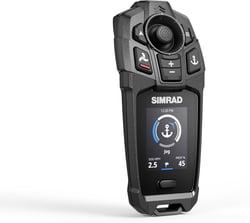

What Are Marine Autopilot Components?
A marine autopilot system is one of the most valuable investments a boater can make — transforming long passages, open-water crossings, and even routine cruises into far more manageable experiences. Rather than a single device, a complete autopilot is an integrated system built from several distinct components, each playing a critical role in keeping your vessel on course hands-free.
Typical autopilot systems consist of four main components:
- Heading Sensor / Course Computer — The brain of the operation, monitoring vessel orientation in all dimensions and continuously calculating steering corrections.
- Actuator Control Unit (ACU) — Acts as the power hub, receiving signals from the sensor core and directing the drive unit accordingly.
- Drive Unit (Hydraulic Pump or Mechanical Drive) — The muscle of the system; physically moves the rudder or steering mechanism to execute course corrections.
- Control Head — The helm-mounted interface that lets the skipper set headings, engage or disengage the autopilot, and monitor system status.
Understanding how these pieces work together is essential when buying individual replacement parts or upgrading an existing system. The drive unit must be matched to your vessel's steering type and displacement, while the ACU must be compatible with your sensor core and control head. Mixing components from different ecosystems — or selecting the wrong pump flow rate — can result in sluggish steering or system errors underway.
Key Considerations When Shopping Autopilot Components
- Steering system type: Hydraulic, mechanical, and power-assisted stern drive systems each require specific drive units and pumps.
- Vessel size and displacement: Larger, heavier boats require higher-capacity pumps and more robust ACUs.
- Voltage: Most components are available in 12V or 24V configurations — confirm your vessel's electrical system before ordering.
- Network compatibility: Many modern components communicate over NMEA 2000 or proprietary networks; ensure new parts integrate with your existing electronics.
- OEM vs. retrofit: Some components are designed as drop-in replacements for existing systems, while others require full installation planning.
Top Brands in Autopilot Components
Raymarine is widely regarded as the benchmark for recreational marine autopilots. With decades of autopilot expertise, their Evolution series uses advanced AHRS (Attitude Heading Reference Sensor) technology to monitor vessel motion in all three dimensions, delivering confident course-keeping in challenging sea conditions. Their extensive range of drive units covers hydraulic, mechanical, and power-assisted stern drive systems, making them a versatile choice for a broad range of vessels.
Seastar Solutions brings deep expertise in hydraulic marine steering to the autopilot space. Their autopilot pumps are engineered to integrate seamlessly with SeaStar hydraulic steering systems — including power assist setups — and are available in 12V and 24V configurations to suit inboard, outboard, and I/O applications. Their ABYC, CE, and NMMA-approved components are a trusted choice for boaters who want autopilot capability added to an existing hydraulic system.
Simrad offers a full ecosystem of autopilot components that work together across their NMEA 2000-based network. Their autopilot packs are engineered to simplify installation and deliver smooth, reliable steering performance, with options ranging from compact core packs for vessels up to 35 feet to professional-grade systems for larger commercial craft.
Octopus Autopilot Drives specializes in aftermarket drive units and is a popular choice for boaters seeking a replacement or retrofit drive that integrates with existing autopilot computers from multiple manufacturers. Teleflex, a longstanding name in marine steering and controls, rounds out the category with components designed for compatibility and ease of installation across a wide range of vessel types.