



Sending Units


 Representative Photo, actual item may vary
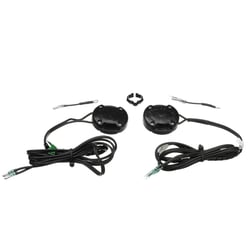
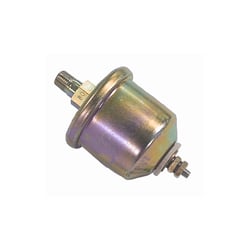
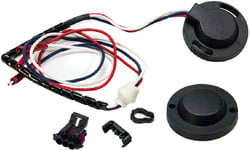
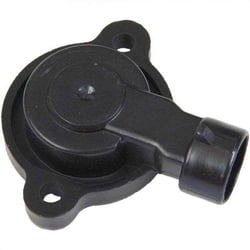
Quicksilver 8M0157742 Water Pressure Sensor Kit for MerCruiser Marine Engines
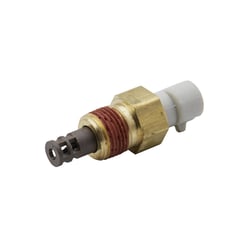
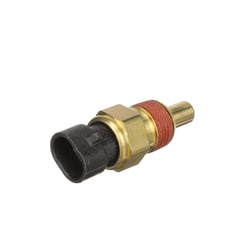

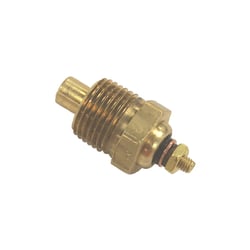
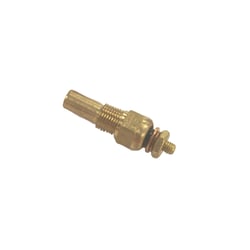
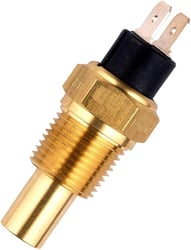
Seachoice 50-15341 Temperature Sender 250°F 1/8" NPT Marine Engine Gauge Sensor

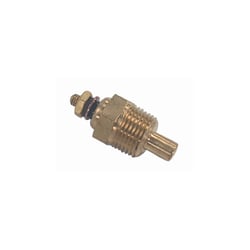
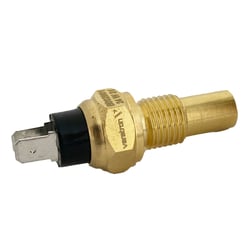
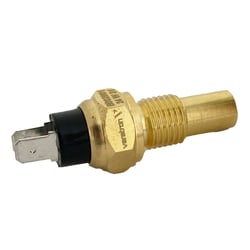
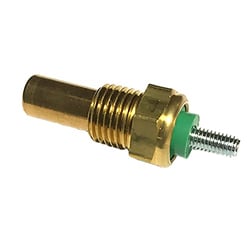

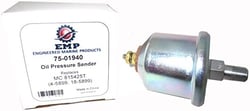
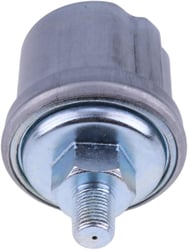
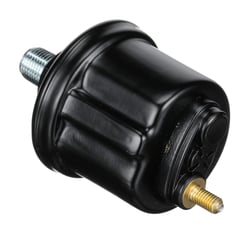
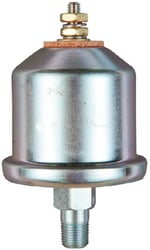
Engineered Marine Products 1300-03773 Oil Pressure Sender for 4.3L 5.0L 5.7L Marine Engines

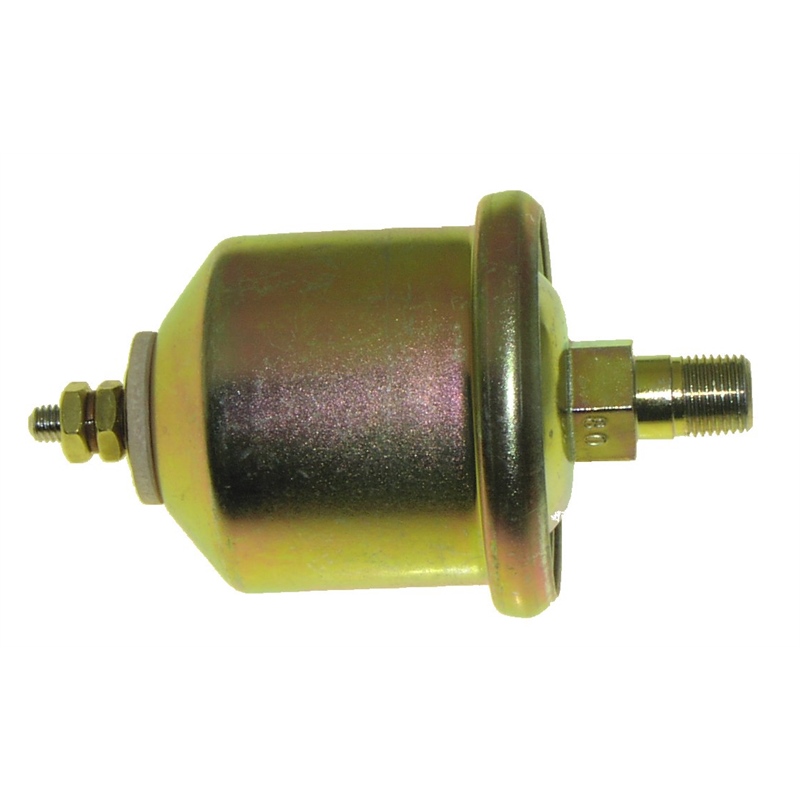 Representative Photo, actual item may vary
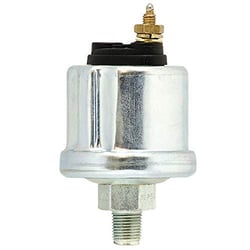
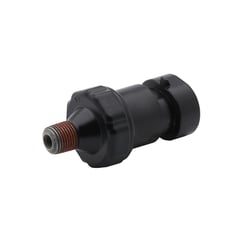
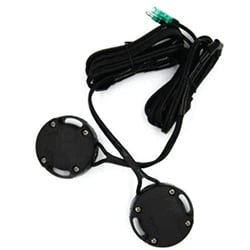


Engineered Marine Products 75-24301 Oil Pressure Sender for Volvo Penta Engines
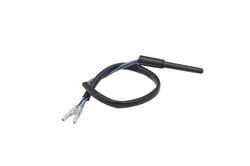
 Representative Photo, actual item may vary
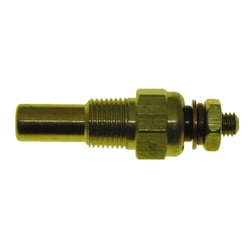
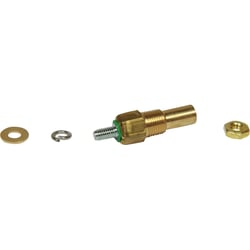
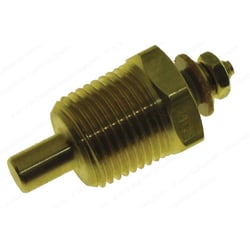
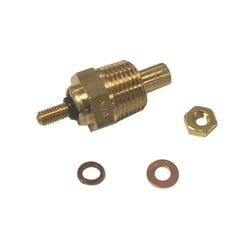
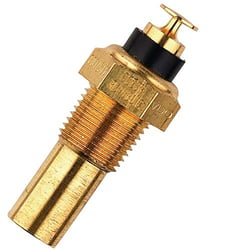
Engineered Marine Products 75-01943 Water Temperature Sender 1/2" NPT Marine Engine
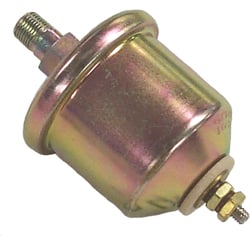
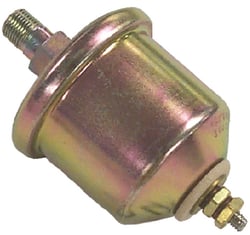
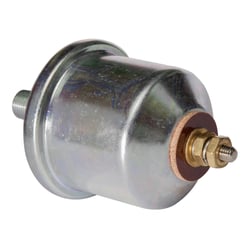
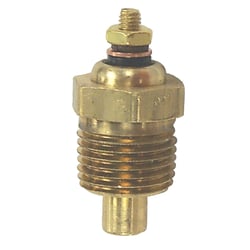
Sierra 118-5898 Dual Station Temperature Sender for Marine Engines Sending Units
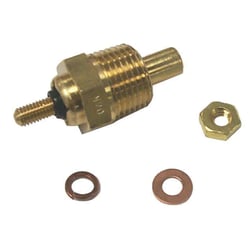
Sierra 118-5897 Dual Station Temperature Sender for Marine Engines Sending Units
 Representative Photo, actual item may vary
 Representative Photo, actual item may vary
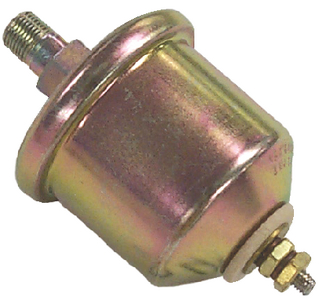 Representative Photo, actual item may vary
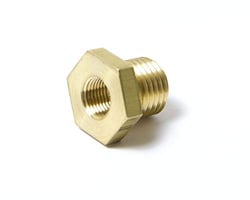
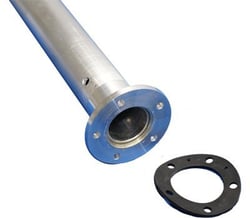

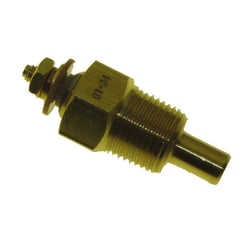
Engineered Marine Products 75-01942 Water Temperature Sender 3/8" NPT MercCruiser

Engineered Marine Products 75-01940 Oil Pressure Sender for MerCruiser and OMC Engines
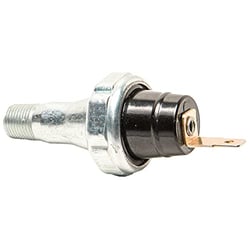
 Representative Photo, actual item may vary

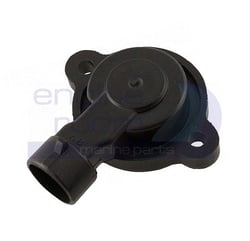
 Representative Photo, actual item may vary
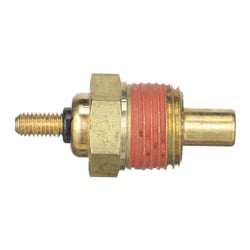
Quicksilver 97258A1 Water Temperature Sender 1/2-14 NPT for MerCruiser Engines
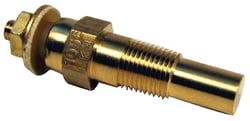
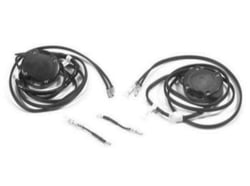
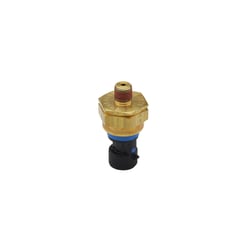
Quicksilver 881879T11 Water Pressure Sensor for Mercury Outboards & MerCruiser
 Representative Photo, actual item may vary
Engineered Marine Products 75-03752 Coolant Temperature Sensor for V6/V8 Thermostat Housings
 Representative Photo, actual item may vary
- 1
- 2
What Are Engine Sending Units?
Engine sending units are the critical sensors that bridge the gap between your vessel's or RV's mechanical systems and the gauges on your dashboard. Whether you're monitoring fuel level in a deep tank, watching coolant temperature on a long offshore run, or keeping tabs on oil pressure while underway, a sending unit is the component doing the actual measuring. It converts a physical condition — a float position, a fluid temperature, or a pressure value — into an electrical signal that your gauges can read and display in real time.
Without a properly functioning sending unit, even the most sophisticated gauge cluster is rendered useless. A faulty or worn-out sender can cause erratic readings, stuck needles, or — more dangerously — no warning at all when an engine is running hot or a fuel tank is nearly dry. For anyone who spends serious time on the water or on the road in an RV, accurate instrument data isn't a luxury; it's a safety essential.
Types of Sending Units for Marine & RV Applications
- Fuel Level Senders: Mounted inside the fuel tank, these use a float and resistive mechanism to relay tank depth to your fuel gauge. Fit and ohm range compatibility are the two most important factors when selecting a replacement.
- Water Temperature Senders: Threaded into the engine block or cooling passage, these monitor coolant temperatures and alert you before overheating becomes catastrophic.
- Oil Pressure Senders: Essential for any inboard or stern-drive engine, these convert oil pressure into a gauge-readable signal, giving you early warning of lubrication problems.
- Tank Level Monitors: Used in RVs and larger vessels to track fresh water, gray water, holding tanks, or ballast — not just fuel.
- Speed Senders: Used in combination with speedometers, these translate wheel or shaft rotation into a speed signal for electronic gauge systems.
Key Considerations When Shopping Sending Units
Compatibility is everything. A sending unit must match the ohm range of its paired gauge — a common mismatch is pairing a 33–240 ohm sender with a gauge calibrated for 240–33 ohms, which will cause inverse or inaccurate readings. Always confirm the tank depth range, thread size or mounting pattern (SAE vs. metric flange), and the electrical connector type before purchasing. For modern NMEA 2000 vessel networks, purpose-built digital senders that output data directly over the network backbone offer significant advantages in accuracy and integration.
Top Brands in Marine & RV Sending Units
Dakota Digital is a leading name in precision instrumentation, offering a broad range of sending units engineered to work seamlessly with their own gauge systems. Their sending units are designed to work with Dakota Digital gauges, ensuring that the correct information is sent from your systems to your gauges for proper readouts. Their lineup covers water temperature, fuel level, oil pressure, and speedometer applications across a wide variety of thread sizes and resistance ranges.
Maretron is a specialist in networked marine electronics built around the open NMEA 2000® standard. Maretron is a premier provider of networked marine electronics, centralizing critical data from every corner of your vessel — including engines, fuel tanks, batteries, and weather sensors. Their tank and engine monitoring modules, such as the TLM100, use ultrasonic technology to sense liquid levels and transmit them over the NMEA 2000® network, allowing you to observe tank levels anywhere on the vessel where there is a compatible display.
Seachoice offers practical, affordable sending unit solutions purpose-built for the marine environment. Committed to delivering quality marine accessories and OEM replacement parts, Seachoice is run for and by boaters, manufacturing their products to rigorous standards to ensure proper function and first-rate appearance. Their fuel senders feature a swing arm float design that can be rotated in 90-degree intervals to ensure clearance of tank walls or baffles, and are constructed of non-ferrous materials for long-lasting corrosion resistance.