



Radars & Autopilots
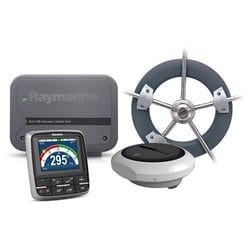

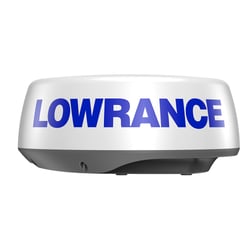


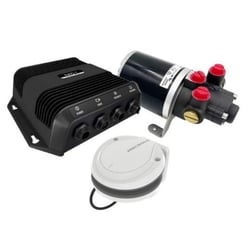
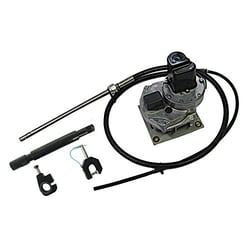
Octopus Autopilot Drives OCTAFMDRESYSA-9 Sterndrive Autopilot System with 9' Cable

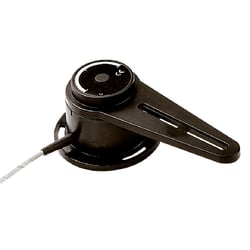
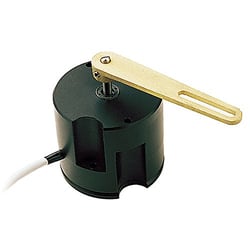
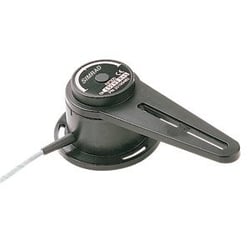
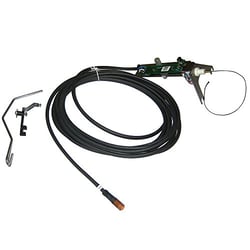
Simrad 000-14439-001 RF40 Rudder Feedback Unit with 15M Cable for NAC-1 NAC-2 Autopilot
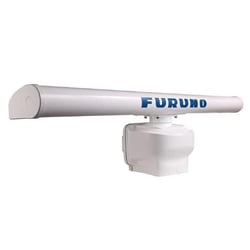

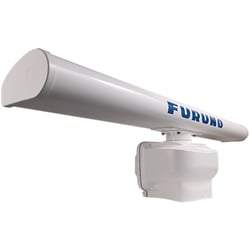
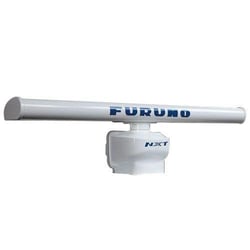
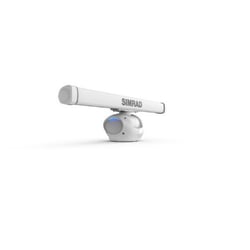
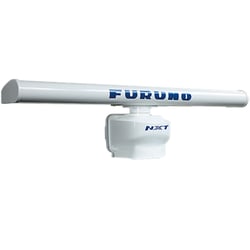
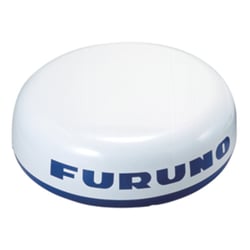
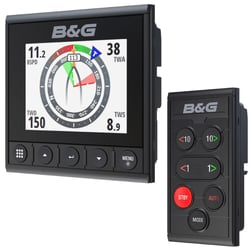

B&G 000-14538-001 HALO24 24-Inch Pulse Compression Radar with VelocityTrack Doppler
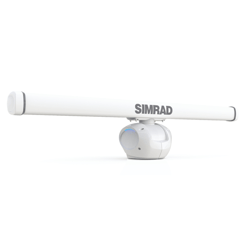
 Representative Photo, actual item may vary
Lowrance 000-14541-001 HALO24 Radar Dome with VelocityTrack Doppler Technology 5M Cable
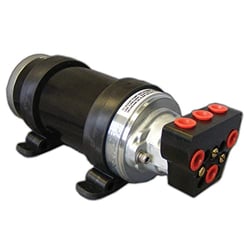
Octopus Autopilot Drives OCTAF2012 12V Reversing Hydraulic Pump for 15-30 Cubic Inch Cylinders
 Representative Photo, actual item may vary
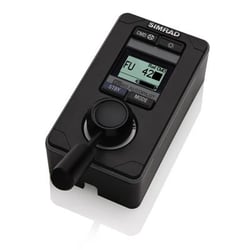
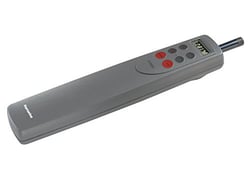
Simrad 000-10183-001 FU80 Follow Up Steering Remote Control with Display
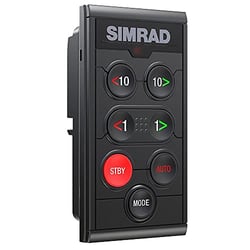
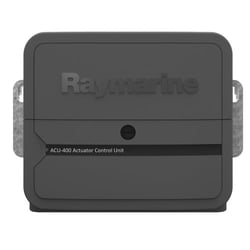
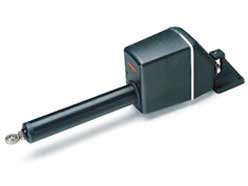
Raymarine E70100 ACU-400 Actuator Control Unit for Evolution Autopilot Systems
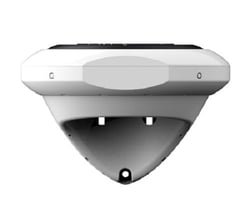
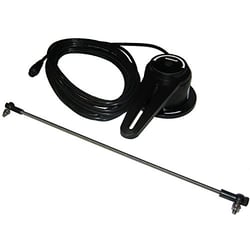

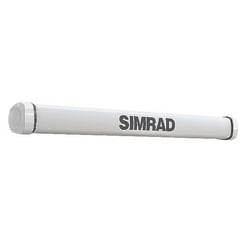
Simrad 000-11465-001 Halo-4 Pulse Compression Radar Antenna Array 4 Foot
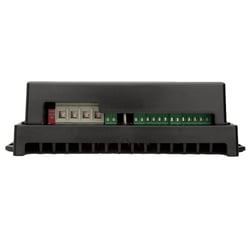
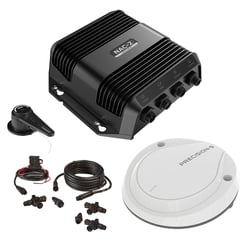
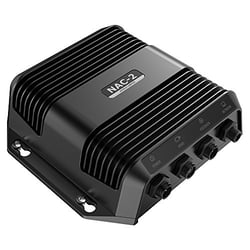
Simrad 000-13335-001 Autopilot Core Pack with Compass Radars & Autopilots - NAC-2 Precision-9
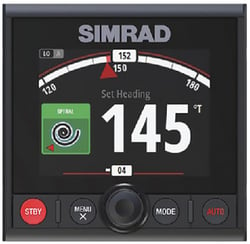
Simrad 000-13289-001 AP44 Autopilot Controller with 4.1-Inch Color Display
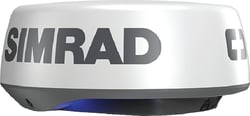
Simrad 00014536001 Pulse Compression Radar Dome Radars & Autopilots - HALO20+ 36NM
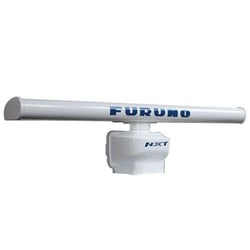
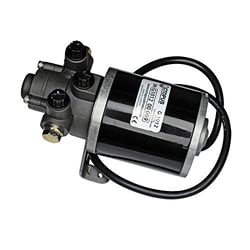
Octopus Autopilot Drives OCTAFG0624 Hydraulic Gear Pump 600cc 24V for 6-9 Cu In Cylinder
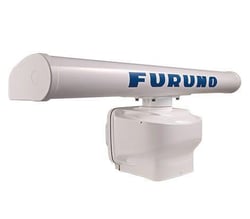
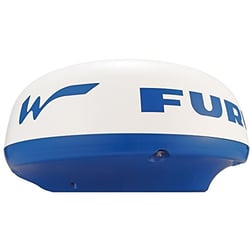
Furuno DRS25AX4 25kW UHD Digital Radar Bundle 4ft Open Array Pedestal 15M Cable
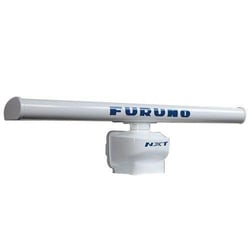
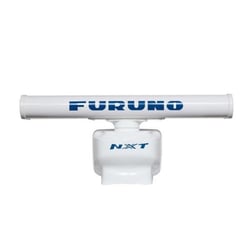
Furuno DRS25ANXT4 Solid-State Radar Pedestal with 4ft Array and 15M Cable
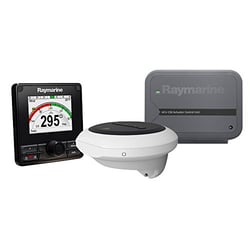
Raymarine T70407 Evolution EV-150 Hydraulic Autopilot Core Pack with p70Rs Control Head
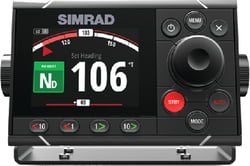
Simrad 000-13894-001 AP48 Autopilot Controller with 4.1-Inch Color Display
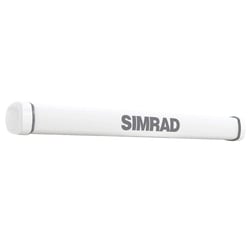
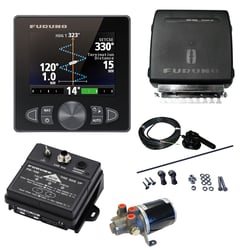
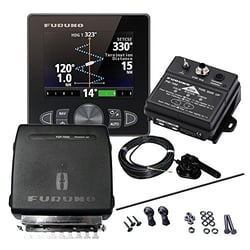
Furuno NAVPILOT 711C-M Autopilot System with 1.6L Octopus Hydraulic Pump
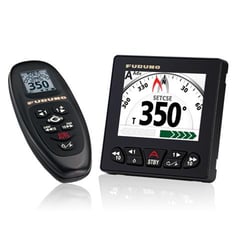
Furuno NAVPILOT 300/PG-M Adaptive Autopilot System with Octopus Hydraulic Pump
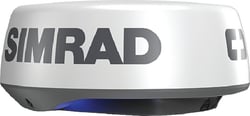
Simrad 00014537001 Pulse Compression Radar Dome Radars & Autopilots - HALO20 20-Inch
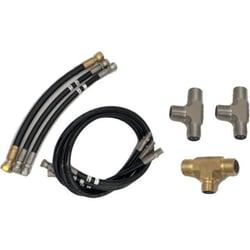
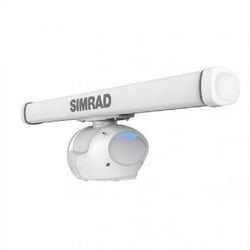
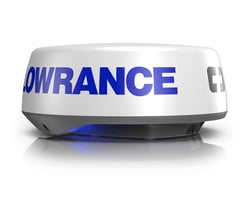
Lowrance 000-14542-001 Pulse Compression Radar Dome Radars & Autopilots - HALO20+ 36NM
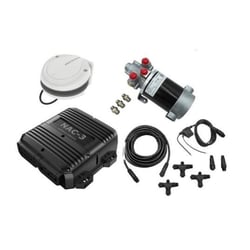
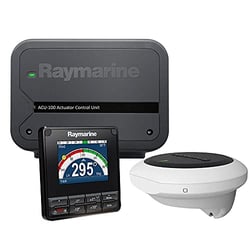
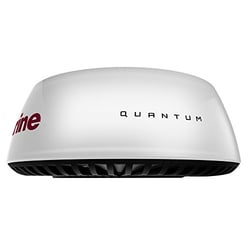
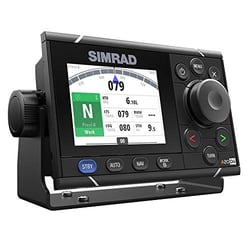
Simrad 000-13895-001 Autopilot Controller Color Display Radars & Autopilots - A2004 4.1

- 1
- 2
Stay on Course: Understanding Marine Radars & Autopilots
Whether you’re navigating a coastal inlet in thick morning fog or running offshore to a distant fishing ground, two pieces of electronics matter more than almost anything else at the helm: your radar and your autopilot. Together, they form the backbone of a safe, capable, and confident navigation system for any serious boater.
What Does Marine Radar Do?
A marine radar system uses radio waves to detect nearby vessels, landmasses, navigation markers, and even weather formations—all in real time and regardless of visibility conditions. Day and night, radar keeps you aware of surrounding traffic, hazards, obstacles, and approaching weather, and allows you to navigate safely in dense fog, rain, or any limited-visibility situation. Modern radars come in two primary form factors: radome scanners, which are compact and easy to install, and open-array scanners, which deliver greater range and resolution for offshore passages.
What Does a Marine Autopilot Do?
A marine autopilot takes over the task of holding a precise course, freeing the skipper to focus on navigation, weather monitoring, sail trim, or fishing. A marine autopilot performs best when sensors, steering systems, and navigation electronics are properly integrated and calibrated for real-world vessel movement on the water. Modern autopilots interface directly with chartplotters and GPS so that the autopilot can follow programmed routes and steer automatically between waypoints, allowing operators to control navigation and steering from the chartplotter display.
Radars and Autopilots Work Best Together
The real power of these systems is unlocked when they share data across a common onboard network. Chartplotters and autopilot systems often operate as part of the same navigation network, and when integrated correctly, route information from the chartplotter can guide the autopilot along a planned course. This kind of tight integration means a single helm station can manage radar overlays, autopilot engagement, and chart plotting simultaneously.
Key Considerations When Shopping
- Vessel size and steering type: Autopilot drive units vary by boat size, hull type, and whether the vessel uses hydraulic, mechanical, or electronic steering.
- Radar type: Radome scanners suit smaller vessels and casual cruising; open-array radars offer superior performance for offshore or commercial use.
- Network compatibility: Look for systems that share data over NMEA 2000 or proprietary networking standards so radar, autopilot, and chartplotter can communicate seamlessly.
- Installation and calibration: Correct installation, network integration, and system calibration are essential for reliable autopilot steering performance during long passages and changing sea conditions.
Top Brands in Marine Radars & Autopilots
Raymarine is one of the most recognized names in recreational marine electronics. Drawing on over 40 years of autopilot expertise combined with advanced aerospace guidance technology, Raymarine boat autopilots deliver confident and accurate steering control. Their radar lineup, including Quantum radome and Cyclone open-array models, integrates tightly with Axiom multifunction displays for a fully unified navigation experience.
Simrad has been a pillar of the marine electronics industry since its founding in Norway. Founded in 1947, Simrad is a world-class manufacturer of marine electronics, including navigation systems, fish finders, chart plotters, radar, and sonar systems. Their autopilot ecosystem—built around modular NAC computers and intuitive AP controllers—scales from smaller powerboats up to larger offshore cruisers.
Furuno brings a legacy of innovation rooted in professional and commercial marine use. Furuno’s legacy in marine navigation dates back over 70 years, establishing it as one of the most trusted names in the maritime world, with continuous investment in radar technology ranging from early analog radars to cutting-edge NavNet TZtouch3 systems. Their NavPilot autopilot series and NavNet multifunction displays are designed to integrate seamlessly with radar, sonar, and charting for a complete navigation solution.
TR-1 offers focused autopilot solutions aimed at smaller fishing and recreational vessels, providing reliable course-keeping at an accessible entry point into automated steering.