



Sounder Modules





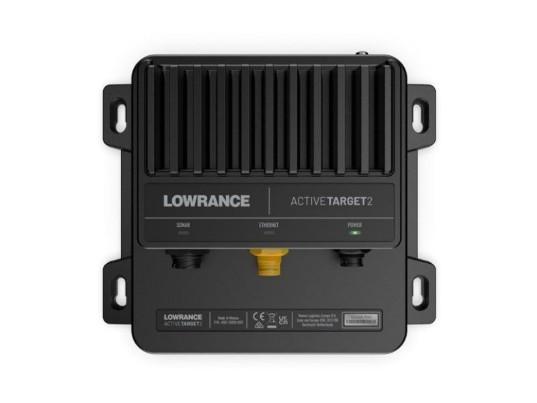 Representative Photo, actual item may vary
A sounder module, often called a black box sonar or black box fishfinder, is the processing heart of a boat's underwater sonar system. Instead of building the sonar electronics into a display, the module is mounted out of the way, typically below deck or in a console. It connects to a transducer that sends and receives acoustic pulses, and it shares the results over a network with one or more multifunction displays (MFDs) at the helm. This approach frees up display space and makes it easy to add sonar capability to an existing electronics setup.
Why Sounder Modules Matter
Sonar performance depends heavily on how well the returning echoes are processed. A dedicated module can deliver more transmit power, broader frequency coverage and more sophisticated signal processing than a display with built-in sonar. That translates into clearer separation between fish, bait and structure, better bottom detail in deep water and more consistent performance across changing conditions. Many modules also unlock advanced imaging such as CHIRP, SideScan, DownScan-style views and 3D or live forward-looking sonar, depending on the model and the transducer you pair it with.
What to Consider When Choosing a Sounder Module
- Display compatibility: Modules are generally designed to work with specific MFD families and network protocols, so confirm your chartplotter or display supports the module before buying.
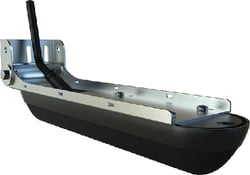
- Transducer pairing: The transducer determines the frequencies, beam types and depth range you can use. Match the module to a transducer suited to your hull type, fishing style and typical water depth.
- Power output and frequency range: Higher power and wider CHIRP coverage generally improve deep-water performance and target separation, while lower-power units can suit shallower, inshore use.
- Imaging features: Decide whether you want conventional CHIRP, side-imaging, 3D or live sonar views, as capabilities vary widely between modules.
- Installation and networking: Check connector types, power requirements and the network cabling needed to link the module to your displays.
Top Brands in Sounder Modules
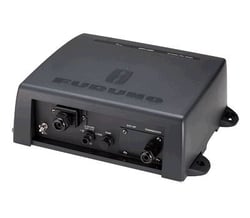
Furuno has a long reputation in commercial and recreational marine electronics, and its TruEcho CHIRP black box sounders are built for anglers who want detailed target definition and clean presentation of individual fish, even when schooled tightly together.
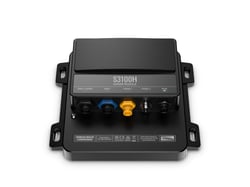
Simrad offers sonar modules that integrate tightly with its NSS and NSO display families. Modules such as the S3100H bring heave-compensated Active Imaging to select Simrad and Lowrance displays.
Lowrance is closely associated with sonar innovation for sport fishing, offering modules covering SideScan-style imaging and live sonar systems such as ActiveTarget. Lowrance and Simrad share technology, so many modules work across both display lines.
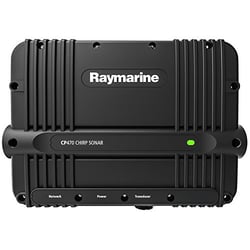
Raymarine has built black box sonar for its multifunction displays for years, from its early HDFI digital sounder modules to CHIRP-capable units. Raymarine modules suit boaters who already run its Axiom or earlier networked displays and want integrated, plug-in sonar.
Getting the Most From Your Sonar
Because a sounder module is only as good as the system around it, plan the whole chain: display, module, transducer, power and cabling. Keeping software up to date and mounting the transducer correctly for clean water flow also make a noticeable difference in image quality. Browse the sounder modules above to find a match for your display and your style of boating or fishing.