



Solvents & Thinners


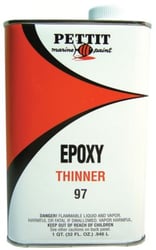
Pettit Paint 11209708 Epoxy Thinner 97 - Fast Evaporating Two-Part Epoxy Thinner


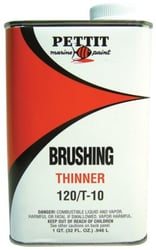
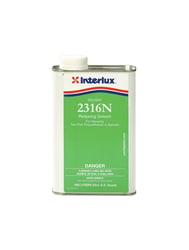
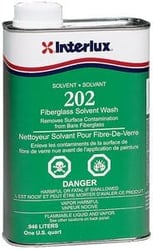
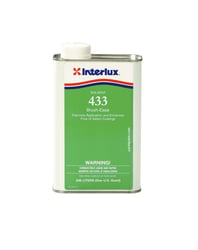
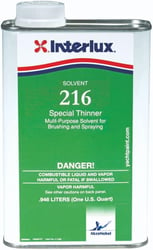
 Representative Photo, actual item may vary
 Representative Photo, actual item may vary

The Role of Solvents & Thinners in Marine and RV Maintenance
Whether you're refinishing a boat hull, touching up an RV exterior, or prepping a surface for a fresh coat of antifouling paint, solvents and thinners are the unsung heroes of any successful coating project. These products do far more than simply dilute paint — they control viscosity, improve flow and leveling, regulate dry times, and ensure proper adhesion by cleaning and degreasing surfaces before application. Using the wrong solvent, or skipping it altogether, can lead to fish-eyeing, poor adhesion, lifting, or an uneven finish that fails prematurely in the harsh marine environment.
What Are Solvents and Thinners?
While the terms are often used interchangeably, there is a practical distinction worth understanding. Thinners are typically used to reduce the viscosity of a coating to the correct application consistency — especially important for brush, roller, or spray application in changing temperature and humidity conditions. Solvents are more broadly used for surface preparation, cleaning equipment, and removing uncured coatings or residues. Common types include mineral spirits, acetone, xylene, and specialty marine formulas engineered to work hand-in-hand with specific paint systems.
In marine and RV contexts, the chemistry matters even more than in general household painting. UV exposure, saltwater immersion, and temperature cycling mean that your topcoat is only as durable as the prep work beneath it. Using a solvent that is matched to your paint system — whether alkyd, epoxy, polyurethane, or varnish — is critical to long-term performance.
Key Considerations When Shopping Solvents & Thinners
- Match the solvent to the coating system: Always verify compatibility with your specific paint or varnish. Manufacturer-recommended thinners ensure the coating cures correctly.
- Application method: Brush, roller, and spray applications often require different dilution ratios and thinner formulas for optimal flow and atomization.
- Temperature and humidity: Faster-evaporating solvents suit cooler conditions; slower-evaporating formulas help in heat or direct sun, preventing dry spray and brush drag.
- Surface preparation: Acetone and other fast-acting solvents are ideal for degreasing bare fiberglass or metal before primer application.
- Safety and ventilation: Always work in a well-ventilated space and consult the product's Safety Data Sheet (SDS) before use.
Top Brands in Marine & RV Solvents & Thinners
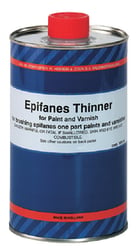
Epifanes is the dominant name in this category, and for good reason. The Dutch yacht coatings brand is legendary for its high-gloss varnishes and paints, and their dedicated solvents and thinners are purpose-engineered to work seamlessly within the Epifanes coating system — ensuring the film build, gloss, and durability that craftsmen worldwide expect.
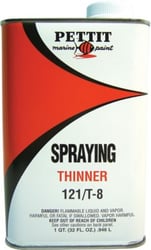
Pettit Paint brings decades of marine coatings expertise to its line of solvents and thinners. Pettit's thinners are formulated as part of a comprehensive paint system, making them a trusted choice for boaters using Pettit antifouling and topcoat products who want consistent, manufacturer-approved results.
Klean-Strip is a go-to general-purpose option for professionals and DIYers alike. With a broad lineup that includes mineral spirits, acetone, xylene, and turpentine, Klean-Strip solvents handle everything from thinning oil-based varnishes to cleaning up epoxy resin after fiberglass work — a versatile workhorse in any maintenance toolkit.
Transtar Autobody rounds out the category with professional-grade solvents developed for the demanding world of autobody refinishing — equally at home on RV exteriors where a flawless, durable finish is the goal. Their products are trusted by collision repair professionals for consistent performance in spray applications.