



Sound Insulation
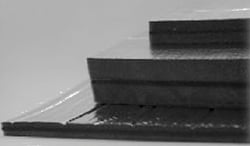
Soundown IVF1010MNSFT12 Vinyl Foam Composite Insulation Barrier 1" x 32" x 54"

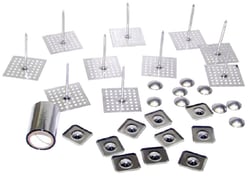
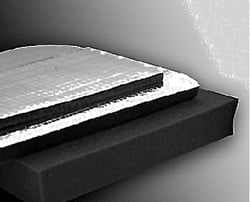
Soundown IAF05MNSFT12 Acoustic Foam 1/2" x 32" x 54" Mylar Faced Sound Absorption Panel
Soundown IVF1005MNSFT12 Insulation Barrier 1/2" x 32" x 54" Sound Dampening Composite
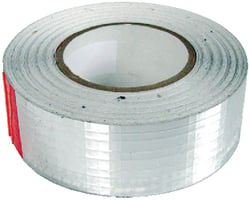
Soundown IVF2020WN27 Insulation Barrier 4-1/2' x 6' Composite Sound Dampening
Soundown IVF1020MNSFT27 Acoustic Insulation Barrier 2" x 72" x 54" Marine Engine Sound Dampening
Why Engine Sound Insulation Matters for RVs and Boats
Whether you're cruising offshore or rolling down the highway in your RV, engine noise is one of the most persistent sources of discomfort on any long trip. Sound insulation for RV and marine engines is not a luxury upgrade — it's a practical necessity for anyone who values comfort, communication, and concentration aboard their vessel or coach. Properly installed sound insulation tames engine drone, reduces airborne noise, and dampens structural vibration before it migrates into living spaces and cabins.
How Marine and RV Sound Insulation Works
Engine noise reaches your cabin through two distinct pathways: airborne sound waves radiating directly from the engine, and structure-borne vibration traveling through the hull, deck, or chassis. Effective insulation addresses both. The most capable systems use a layered approach — acoustic foam absorbs mid- and high-frequency energy, while a dense mass-loaded vinyl (MLV) barrier reflects low-frequency noise back into the engine room before it can reach accommodation areas.
Composite barrier materials that sandwich MLV between layers of polyether foam are widely regarded as the most efficient all-in-one solution. The foam absorbs reflecting noise within the machinery space, while the mass layer creates an effective barrier against sound transmission through walls, panels, and bulkheads. Coverage matters just as much as material choice: sealed seams, tight access panels, and thorough coverage of overheads and bulkheads are all critical to performance.
Key Considerations When Shopping
- Barrier weight: Products with a 2 lb/sq. ft. mass layer deliver better low-frequency performance than 1 lb equivalents — important for diesel engines with prominent bass frequencies.
- Material thickness: As thickness increases, so does the ability of materials to absorb and block noise. A 2" composite will outperform a 1" sheet in most applications.
- Fire rating: In marine applications especially, look for fire-retardant materials that meet relevant USCG standards without sacrificing acoustic performance.
- Environment: Marine installations demand materials that resist moisture, oil, and fuel exposure without degrading over time. Polyether foam outlasts polyester alternatives in humid bilge environments.
- Coverage area: Treat the engine room overhead and forward and aft bulkheads first — these surfaces have the greatest impact on noise levels in adjoining spaces.
Top Brands in Engine Sound Insulation
When it comes to trusted names in this category, Soundown stands out as the industry benchmark for marine and RV noise control. Soundown manufactures a comprehensive range of barrier composites, acoustic absorbers, and specialty products engineered specifically for machinery spaces. Their IVF (insulated vinyl/foam) composite sheets are a go-to solution for vessels up to 65 feet and are designed for straightforward installation in both new builds and refits.
Also available in this category are Genuine BMW engine sound insulation components — precision-engineered OEM parts designed to meet exact factory specifications for noise, vibration, and harshness (NVH) control in BMW applications.