



Tack Cloths
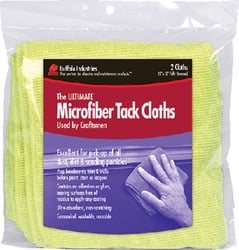



What Are Tack Cloths and Why Do They Matter?
A flawless paint finish on your RV, boat, or any refinished surface starts long before the first coat of paint is applied. Tack cloths — also called tack rags — are the unsung hero of any professional-grade paint prep routine. Tack cloths are lint-free, gauze-like wiping cloths treated with a slightly sticky substance that acts like a magnet for microscopic dust, sanding residue, lint, and other fine particles that would otherwise ruin a cured finish.
No matter how thorough your sanding or vacuuming, fine particles inevitably remain on the surface. These invisible contaminants prevent paint, varnish, and clearcoat from bonding evenly, leading to bumps, craters, pinholes, and poor adhesion. A tack cloth serves as the final surface-cleaning step before applying primer, paint, or topcoat — the last line of defense between a professional result and a frustrating do-over.
In the marine and RV world, where gelcoat, fiberglass, and specialty topcoats demand a contamination-free surface, tack cloths are especially critical. Saltwater environments, dusty storage facilities, and the sheer size of surfaces being refinished make proper prep all the more important. Silicone contamination alone can cause circular craters known as “fisheyes” in a fresh coat of paint — which is why most quality tack cloths for marine and RV use are specifically formulated to be wax-free and silicone-free.
Choosing the Right Tack Cloth
Not all tack cloths are created equal. Key factors to consider include:
- Substrate material: Options range from traditional 100% cotton gauze to modern synthetic nonwoven fabrics. Synthetic hydro-entangled cloths tend to be more durable and tear-resistant, while cotton gauze offers a time-tested, economical option.
- Tack level: Low-tack cloths are ideal for sensitive waterborne finishes and final clearcoat stages, while higher-tack options suit heavier sanding residue removal between coats.
- Waterborne compatibility: Modern paints — especially those used in marine and RV refinishing — are increasingly water-based. Look for cloths explicitly rated as compatible with waterborne coatings to avoid finish interference.
- Wax & silicone-free formulation: For fiberglass, gelcoat, and specialty marine surfaces, always choose cloths free of wax and silicone to prevent fisheye defects and adhesion failures.
Timing matters just as much as technique. Apply a tack cloth at the very end of the prep sequence — after sanding, vacuuming, and degreasing — and use it immediately before painting to prevent airborne particles from resettling on the clean surface.
Top Tack Cloth Brands
Gerson is widely recognized as the world’s leading tack cloth brand, with a full lineup spanning cotton gauze and synthetic nonwoven substrates for low, medium, and high-tack applications. Their cloths are approved by leading auto, marine, aerospace, and electronics manufacturers — making them a go-to for serious refinishing work.
Bond offers straightforward, reliable tack cloths favored for their light tack formulation, making them well-suited for removing loose sanding dust and surface debris in both automotive and marine paint prep applications.
Crystal Tac Cloths rounds out the selection with a focused lineup of tack rags designed for clean, residue-free surface prep, offering painters a dependable option across a range of refinishing scenarios.
DeVilbiss is a legendary name in spray finishing equipment, and their paint prep products — including tack cloths — are engineered to complement their professional-grade spray systems for a complete, high-quality refinishing workflow.
AES provides tack cloths suited for professional paint prep environments, offering a reliable option for technicians who demand consistent surface cleanliness before every coat.