



VHF Fiberglass Whip Antennas
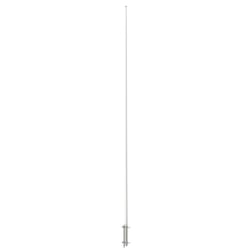

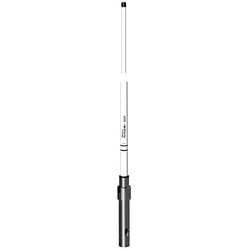
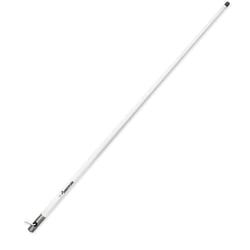
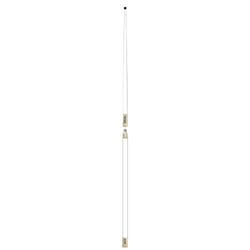


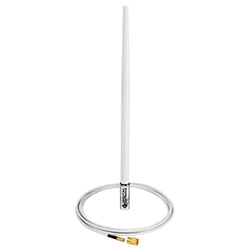


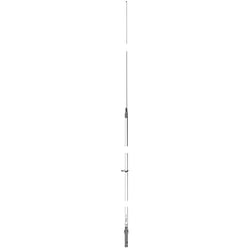

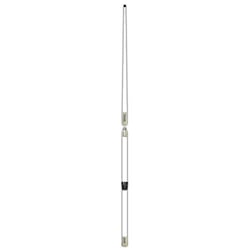
Digital Antenna 532-VW-R-S 16' VHF Marine Antenna 10dB Gain White with RUPP Collar
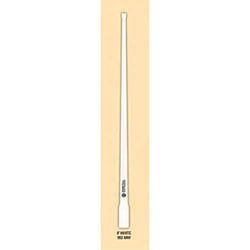
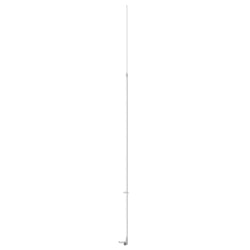
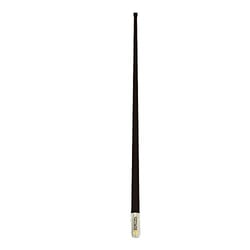
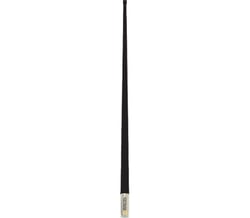
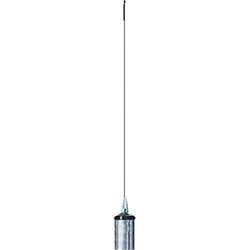
Digital Antenna 992-MW-S 8ft Wideband VHF Marine Antenna 134-176 MHz with 20ft Cable

 Representative Photo, actual item may vary

 Representative Photo, actual item may vary
 Representative Photo, actual item may vary
 Representative Photo, actual item may vary
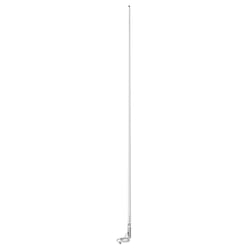
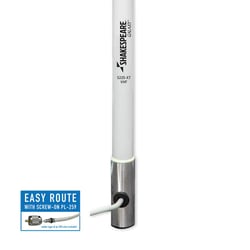
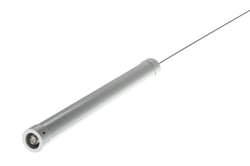
Scout PF AN NVHF00005 5' VHF Marine Antenna 3dB Lift & Lay Mount with Cable

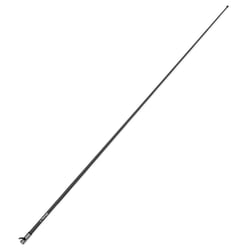
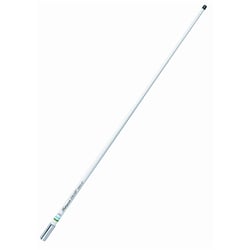
Scout PF AN NVHF00002T 5' White VHF Marine Antenna 3dB with Coax Cable
Why Your VHF Antenna Is Your Most Important Piece of Safety Gear
Marine VHF antennas are critical components of a boat's communication system, transmitting and receiving radio signals between vessels, shore stations, and rescue authorities. When you're out on the water, that fiberglass whip mounted to your gunwale or radar arch is your direct line to the Coast Guard, nearby boaters, and NOAA weather broadcasts. The right VHF antenna helps ensure clear communication with other boaters, potentially life-saving information exchange during emergencies, and contributes to a safe and enjoyable experience on the water.
Understanding Fiberglass Whip Antennas
Fiberglass whip antennas are the most common type used on recreational boats. The most common type you'll see on recreational and commercial vessels, these antennas are typically constructed with radiating elements encased in a protective fiberglass radome, making the fiberglass VHF antenna an industry standard. The fiberglass jacket shields internal copper or brass elements from saltwater corrosion, UV exposure, and physical wear — all conditions that would quickly degrade lesser materials.
The inner electrical element of VHF antennas is generally made of one of three materials: coaxial cable, copper, or brass. While all provide acceptable performance, better antennas use brass or copper for optimum performance and durability. When shopping, also pay attention to the ferrule — the fitting at the antenna base. Less expensive antennas use nylon ferrules, which are not as strong as the chromed-brass or stainless steel found on quality antennas.
Gain, Length, and Line of Sight
VHF communication operates on a "line of sight" principle; mounting an antenna higher significantly increases signal range over the horizon. Antenna gain describes how effectively an antenna focuses radio energy in a particular direction and is measured in decibels (dB). Higher gain antennas concentrate radio energy more strongly in the horizontal plane, which can increase communication distance. However, gain is a trade-off: smaller boats often use lower-gain antennas because they move more in rough seas, while larger vessels benefit from higher-gain antennas that extend communication range.
Generally, antennas vary from 3 dB for a 4-foot model to 9 dB for a 12- to 23-foot model. An 8-foot, 6 dB antenna is the standard recommendation for 20–35' powerboats, while masthead-mounted whips are ideal for sailboats due to the height advantage.
Top Brands in VHF Fiberglass Whip Antennas
When it comes to marine VHF antennas, a handful of trusted manufacturers have earned their reputations through decades of real-world performance. Shakespeare Antennas is widely regarded as the benchmark for marine VHF fiberglass whips. Shakespeare Mariner Series and Galaxy antennas are coated with smooth polyurethane and are built to last five to ten years, using stainless steel ferrules for durability and brass and copper elements for maximum efficiency. Their quick-connect system also makes it easy to swap between 4-foot inshore and 8-foot offshore configurations.
Comrod brings a heritage of military and professional-grade antenna engineering to the recreational marine market, offering fiberglass VHF whips built to exacting standards for demanding offshore conditions. Morad is respected among serious mariners and ham radio operators alike — some of the best VHF antennas are made by Morad, including their popular 6 dB gain "Hot Rod," and Morad tunes each antenna individually for precise frequency performance. Finally, Scout offers a versatile lineup designed for small powerboats and RIBs, with antennas specifically engineered for boats that require a light, flexible, and high-performance solution in compact lengths.
Key Buying Considerations
- Length & Gain: Match antenna length and dB rating to your vessel size and typical operating conditions.
- Mounting Height: Mounting the antenna higher on the vessel — such as on a mast or radar arch — improves signal reach and clarity.
- Build Materials: Prioritize stainless steel ferrules and brass or copper internal elements for longevity in saltwater environments.
- Connector Type: A marine fiberglass VHF antenna with a molded PL-259 connector is a popular choice among boaters due to its durability and compatibility with all VHF radios.
- Clearance: Be sure to allow room to lay the antenna down, if necessary, for clearing low bridges or covered slips.